
Top Stories
Urgent: CT Universities Face Federal Grant Cuts Impacting Malaria Research

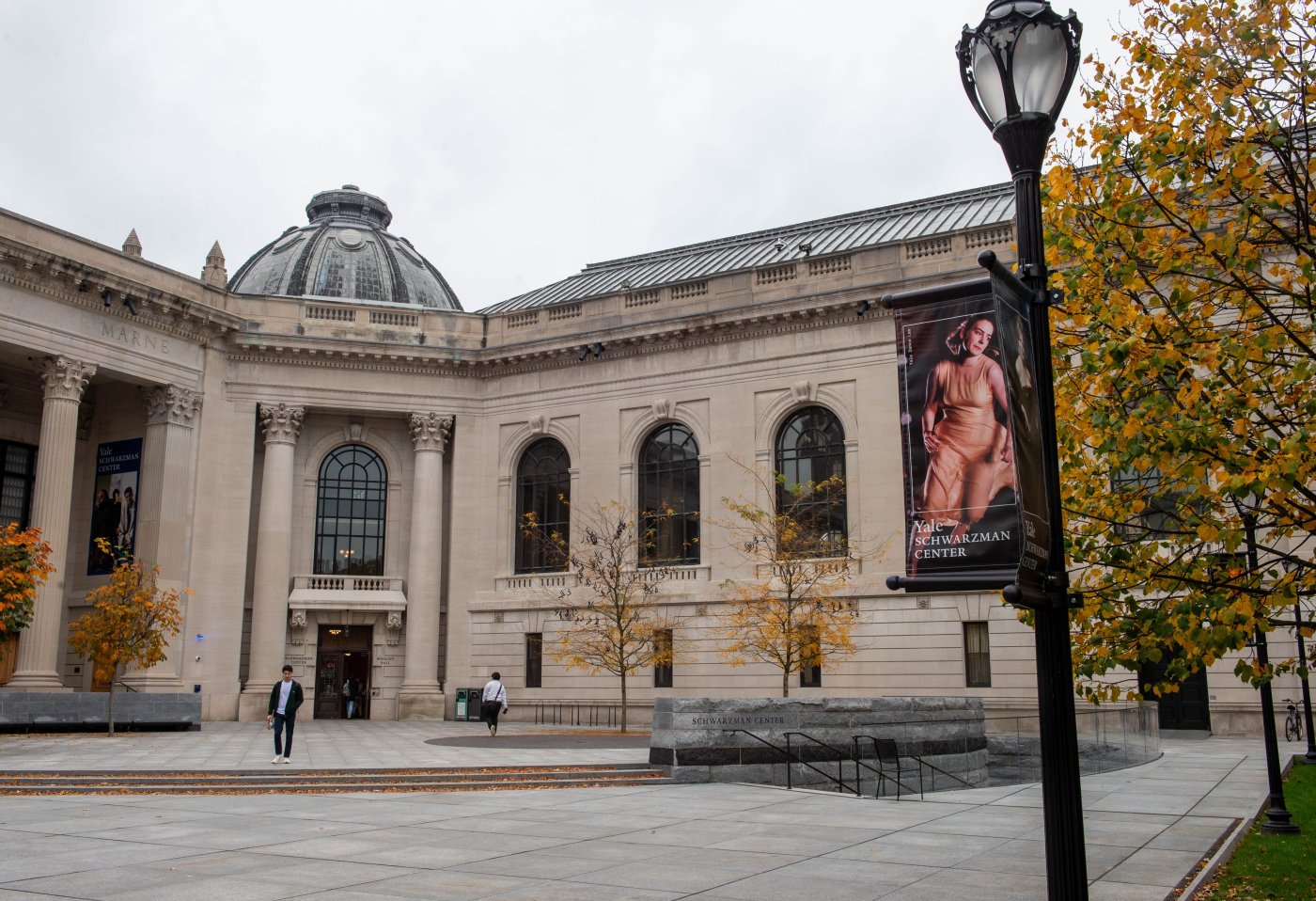
UPDATE: Federal funding cuts are hitting Connecticut universities hard, with losses totaling tens of millions of dollars. Yale University’s Amy Bei has been directly affected, receiving a cancellation notice for a critical $300,000 grant aimed at tracking malaria spread in communities.
On May 1, Bei learned that her National Institutes of Health (NIH) grant for malaria research was terminated. This cancellation is part of a broader trend, as University of Connecticut officials report a staggering $41 million loss in cancelled grants and non-renewals as of mid-October.
Michael Crair, Yale’s vice provost for research, confirmed that 50 grants were cancelled, with an additional 22 grants either partially halted or suspended. The total impact is estimated at “tens of millions of dollars,” threatening vital research for medical breakthroughs and humanitarian aid.
The implications of these cuts are severe. Bei’s research has been pivotal since the early 2000s, when she began studying malaria in Africa. “This is not just a problem in a lab; it’s a disease that devastates communities,” she emphasized, highlighting the real-world consequences of funding reductions.
In 2023, Senegal reported approximately 1.2 million cases of malaria, resulting in 200 deaths. Despite scientific advancements, the malaria parasite continues to evolve, making effective vaccination a challenge. Bei’s project aimed to identify biomarkers in mosquito saliva to monitor malaria transmission, especially in asymptomatic populations, where the disease often goes undetected.
Despite these setbacks, Bei has secured funding from the philanthropic arm of Tito’s Handmade Vodka and internal Yale grants to continue her research. She plans to travel to Chad in December to resume work on a USAID-funded project that was previously stalled due to funding issues.
The impact of these funding cuts extends beyond research. Natasha Turyasingura, a Ph.D. student involved in the Chad project, faces delays in crucial training for local researchers. “We were prepared to travel to Africa, but the funding cuts pushed that back nearly a year,” she stated, underscoring the direct consequences on international collaboration and training.
Efforts to educate local communities about vaccination benefits are also severely constrained. The ability to meet with village representatives is currently limited, hindering outreach programs that were vital for the success of the malaria intervention strategies.
While Bei continues to receive NIH funding for a next-generation malaria vaccine, the existing vaccines have shown low efficacy rates, prompting urgent calls for innovative solutions. “The vaccines approved by the WHO have only 45% to 75% efficiency, which is far from ideal,” Bei noted.
Research partnerships are critical for advancing malaria treatment, as seen in collaborations with institutions like the Institut Pasteur de Dakar. Scientists are exploring how to develop complementary vaccines that target different stages of the malaria parasite’s life cycle, aiming to improve protection against this devastating disease.
For researchers like Laty Gaye Thiam and Cyrianne Keutcha, the urgency to find effective solutions is personal. Thiam, originally from Senegal, has witnessed the human toll of malaria firsthand. “It has a huge impact, not just on those infected but on families and communities,” he stated.
Keutcha, who suffered from malaria as a child, echoed this sentiment, emphasizing the broader implications of their research. “Investing in malaria research can lead to breakthroughs that benefit everyone, even in diseases prevalent in the U.S.,” she said.
The situation remains urgent as these universities navigate ongoing funding challenges. As researchers strive to maintain momentum in their vital work, the global community watches closely, understanding that the fight against malaria continues to be a pressing health issue.
Stay tuned for further updates as this situation develops.

San Jose Woman Arrested for Murder in Fatal Hit-and-Run

Cancer Survivors Find Healing Through Art at UCSF Program

Fayetteville Woman Launches Urgent Food Pantry for Families

Dollar Tree Launches $1.50 Organizers, Transforming Home Storage

Uber Driver Shot in Head Released from Hospital, Police Confirm

Orono Seeks Public Input on Urgent $11.6M Funding Plan

USDA Reviews All Programs to Restrict Food Stamp Access

Ancient Shell Trumpets Unveil Prehistoric Communication Methods

Lane Kiffin Leaves Ole Miss for LSU Amid Fan Backlash

New ‘Star Trek: Voyager’ Game Demo Released, Players Test Limits

Global Air Forces Ranked by Annual Defense Budgets in 2025

ALMA Discovers Companion Orbiting Giant Red Star π 1 Gruis

Mass Production of F-35 Fighter Jet Drives Down Costs

Electrification Challenges Demand Advanced Multiphysics Modeling

Gold Investment Surge: Top Mutual Funds and ETF Alternatives

Time Crystals Revolutionize Quantum Computing Potential

DirecTV to Launch AI-Driven Ads with User Likenesses in 2026

Freeport Art Gallery Transforms Waste into Creative Masterpieces
-
 Top Stories2 months ago
New ‘Star Trek: Voyager’ Game Demo Released, Players Test Limits
-
 World2 months ago
Global Air Forces Ranked by Annual Defense Budgets in 2025
-
 Science3 weeks ago
ALMA Discovers Companion Orbiting Giant Red Star π 1 Gruis
-
 World2 months ago
Mass Production of F-35 Fighter Jet Drives Down Costs
-
 World2 months ago
Electrification Challenges Demand Advanced Multiphysics Modeling
-
 Business2 months ago
Gold Investment Surge: Top Mutual Funds and ETF Alternatives
-
 Science2 months ago
Time Crystals Revolutionize Quantum Computing Potential
-
 Top Stories2 months ago
DirecTV to Launch AI-Driven Ads with User Likenesses in 2026
-
 Entertainment2 months ago
Freeport Art Gallery Transforms Waste into Creative Masterpieces
-

 Politics1 month ago
SEVENTEEN’s Mingyu Faces Backlash Over Alcohol Incident at Concert
-

 Business2 months ago
US Government Denies Coal Lease Bid, Impacting Industry Revival Efforts
-

 Health2 months ago
Gavin Newsom Critiques Trump’s Health and National Guard Plans