
Health
New $1.6M Program in Maine Aims to Combat Opioid Crisis

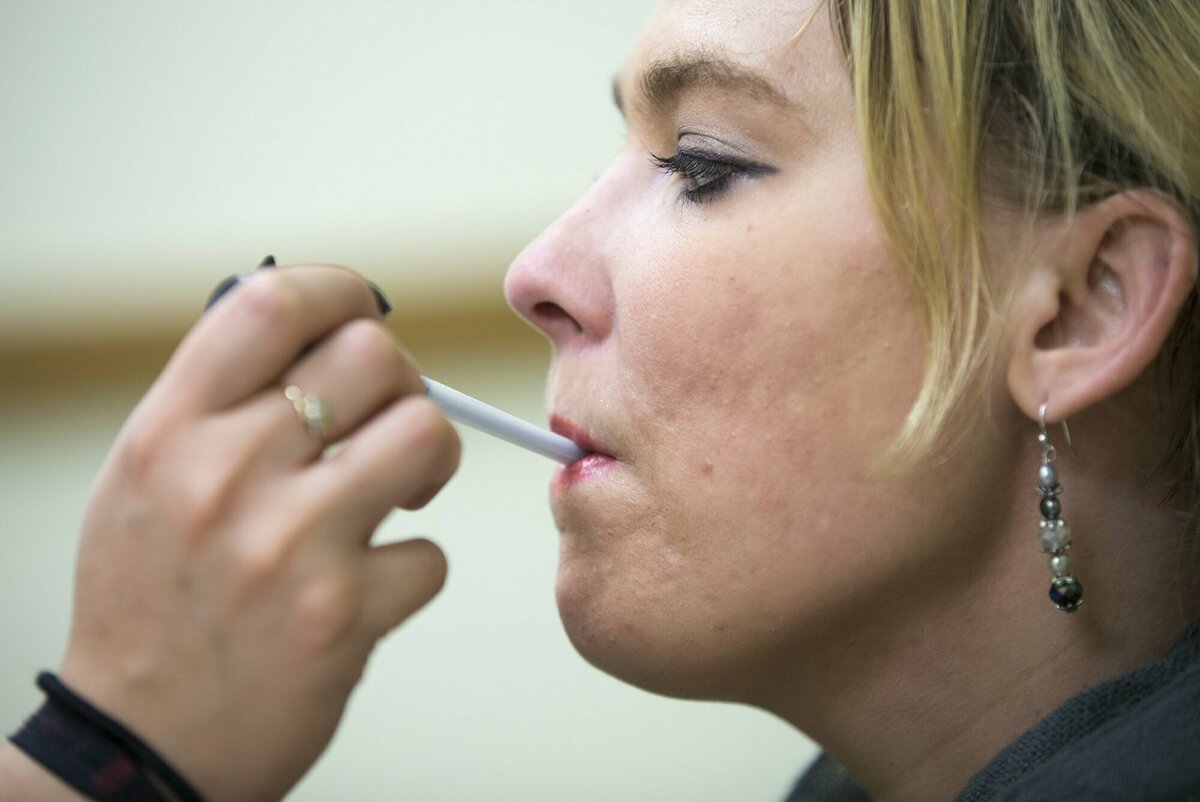
A new initiative at the University of New England (UNE) is set to train hundreds of health care professionals across rural Maine in effective opioid response strategies. The program, called the UNE Northern Border Rural Workforce, aims to enhance the skills of both students and current health care workers in regions that are significantly underserved in addressing opioid use disorders.
As Maine grapples with the ongoing effects of the opioid epidemic, the need for comprehensive training is urgent. Devon Sherwood, project director and a professor at UNE’s pharmacy school, emphasized the critical situation in rural communities, where access to care for opioid use disorder remains limited. “Training is sorely needed,” she stated, noting that many areas face a shortage of qualified providers.
The program is expected to launch by August 2026, and it promises to be the most thorough of its kind in the state. Participants will receive training in various treatment strategies, including medication options and techniques for recognizing opioid disorders. “We hope to equip more professionals to manage patients with opioid use disorders,” Sherwood added.
According to project manager Rebecca Ireland, lengthy waitlists for substance use treatment services highlight the pressing demand for trained professionals. “We know that many providers are not adequately prepared to address these issues,” she explained. Ireland pointed out that many roles in this sector remain vacant and that training opportunities can be particularly scarce in rural settings.
The UNE program will integrate training into the curricula of graduate health programs in pharmacy, psychiatric nurse practitioner, social work, physician assistant studies, and medicine. Undergraduate nursing and social work programs will also include this vital training. Additionally, an online component will be available for professionals affiliated with partner organizations throughout the state, such as the Penobscot Community Health Care system and Northern Light Health.
Training will be divided into basic and advanced certification components, allowing participants to select the aspects most relevant to their roles. This flexibility ensures that even non-clinical staff who interact with patients can gain essential knowledge and skills. “Our goal is to meet them where they’re at,” Ireland stated.
The initiative is collaborating with several health care education organizations, including the Maine Medical Association. Dr. James Jarvis, president of the association, underscored the program’s potential impact, stating, “By reducing training barriers and aligning statewide partners, the program will have a meaningful, measurable impact on patient safety and community health.” He added that improved training will contribute to preventing overdose deaths across the state.
This initiative is backed by a four-year grant of $1.6 million from the federal Health Resources and Services Administration, awarded in September. Sherwood noted plans for the program’s sustainability beyond the initial funding period, largely due to the adaptable nature of the online platform.
Over the next four years, the program aims to train hundreds of students and health care employees. After completing their training, graduates are encouraged to practice in rural areas, which could help alleviate workforce shortages. “Hopefully, once they gain experience in these communities, they will choose to stay and continue to improve our workforce numbers,” Sherwood said.
As communities in Maine continue to confront the opioid crisis, this program represents a significant step towards bolstering health care responses and ensuring better support for individuals struggling with opioid use disorders.

Jaguar’s Type 00 Revealed in London Amid Design Controversy

Family Disruption: Argumentative Brother Alienates Loved Ones

Urgent FX Options Expiry Set to Impact EUR/USD and USD/JPY Today

New $1.6M Program in Maine Aims to Combat Opioid Crisis

Emmie Streams Rises to Starting Role for UMaine Women’s Basketball

Understanding Friendships: Navigating Social Media Misunderstandings

Researchers Unveil ‘OCTOID,’ a Color-Changing Soft Robot Inspired by Octopuses

Tim Beck Named Semifinalist for Broyles Award in College Football

American Airlines Expands Boeing 737 MAX 8 Fleet to 88 by Year-End

ALMA Discovers Companion Orbiting Giant Red Star π 1 Gruis

New ‘Star Trek: Voyager’ Game Demo Released, Players Test Limits

Global Air Forces Ranked by Annual Defense Budgets in 2025

Mass Production of F-35 Fighter Jet Drives Down Costs

Electrification Challenges Demand Advanced Multiphysics Modeling

Gold Investment Surge: Top Mutual Funds and ETF Alternatives

Time Crystals Revolutionize Quantum Computing Potential

SEVENTEEN’s Mingyu Faces Backlash Over Alcohol Incident at Concert

DirecTV to Launch AI-Driven Ads with User Likenesses in 2026
-
 Science3 weeks ago
ALMA Discovers Companion Orbiting Giant Red Star π 1 Gruis
-
 Top Stories2 months ago
New ‘Star Trek: Voyager’ Game Demo Released, Players Test Limits
-
 World2 months ago
Global Air Forces Ranked by Annual Defense Budgets in 2025
-
 World2 months ago
Mass Production of F-35 Fighter Jet Drives Down Costs
-
 World2 months ago
Electrification Challenges Demand Advanced Multiphysics Modeling
-
 Business2 months ago
Gold Investment Surge: Top Mutual Funds and ETF Alternatives
-
 Science2 months ago
Time Crystals Revolutionize Quantum Computing Potential
-
 Politics1 month ago
SEVENTEEN’s Mingyu Faces Backlash Over Alcohol Incident at Concert
-
 Top Stories2 months ago
DirecTV to Launch AI-Driven Ads with User Likenesses in 2026
-

 Entertainment2 months ago
Freeport Art Gallery Transforms Waste into Creative Masterpieces
-

 Business2 months ago
US Government Denies Coal Lease Bid, Impacting Industry Revival Efforts
-

 Health2 months ago
Gavin Newsom Critiques Trump’s Health and National Guard Plans