
World
California Issues Alert Over Blue Meat Contaminated by Rodenticides

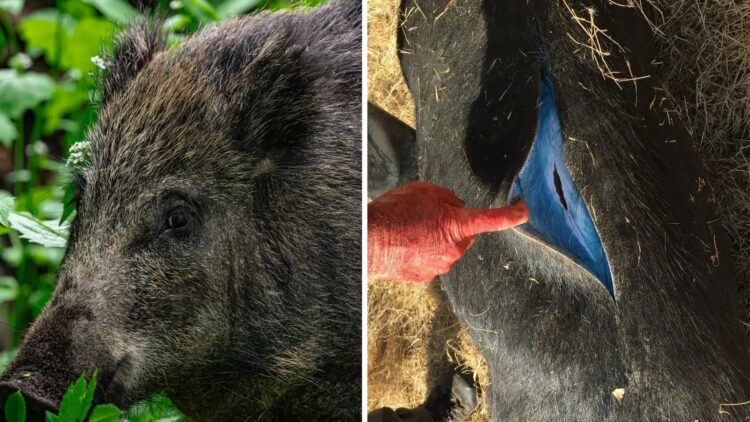
The California Department of Fish and Wildlife (CDFW) has issued a serious warning regarding the contamination of wild pig meat in Monterey County due to rodenticide poisoning. This alert comes after hunters reported discovering that the meat of affected pigs had turned a striking blue color, prompting immediate investigation and public caution.
According to CDFW pesticide research coordinator Ryan Bourbour, the blue coloration in the meat is a direct result of exposure to rodenticides. The alarming discovery was first communicated by Dan Burton, a wildlife control company owner, who noted the vividness of the discoloration to Salvador Hernández of the Los Angeles Times. “I’m not talking about a little blue. I’m talking about neon blue, blueberry blue,” Burton remarked, highlighting the unusual nature of the contamination.
The CDFW is urging hunters to be vigilant, as the meat from game animals such as wild pigs, deer, bears, and geese can pose health risks if these animals have ingested rodenticides. Bourbour emphasized, “Hunters should be aware that the meat of game animals can be contaminated if that animal has been exposed to rodenticides.” This situation raises significant concerns not only for wildlife but also for humans who may consume the contaminated meat.
Understanding Rodenticides and Their Impact
One of the commonly used substances is Difacinona, a first-generation rodenticide known for its anticoagulant properties. It works by inhibiting the recycling of vitamin K in the body, leading to severe internal bleeding in affected animals. Even after the rodent dies and the chemical breaks down, Difacinona can remain active in the tissues, posing risks to predators and humans alike.
The CDFW has called for pesticide applicators to exercise extreme caution when using rodenticides. They recommend ensuring that wildlife is not present in areas where these pesticides are applied. Additionally, they stress the importance of using appropriate bait stations and application methods to prevent access by non-target species.
Long-Term Concerns Surrounding Pesticide Use
The issue of chemical pesticide use is not new, and wildlife advocacy groups have long raised alarms about its detrimental effects. The residue from rodenticides has been found in various predator species, including raptors, mountain lions, bobcats, and foxes, as well as endangered species like the northern spotted owl and the San Joaquin fox.
Recent studies have also revealed troubling findings regarding the impact of pesticides on human health. For instance, research has shown residues of the insecticide chlorpyrifos, linked to structural abnormalities in the brains of children and adolescents. The excessive use of such chemicals has led to widespread contamination of food sources and significant environmental pollution.
Scientists assert that addressing the global threats posed by pesticides requires international cooperation and coordination. The pervasive use of these substances raises urgent questions about their long-term impact on both ecosystems and human health.
As the situation in Monterey County develops, the CDFW continues to monitor the situation closely, advocating for responsible pesticide use to protect both wildlife and public health. The blue meat discovery serves as a stark reminder of the interconnectedness of ecosystems and the potential consequences of human actions on the natural world.

Las Vegas Police Seek Help, Offer $5,000 Reward for Robbery Suspect

Chicago Board Approves $17.5M Sexual Abuse Settlement Today

Urgent: 31st HIV Case Confirmed in Penobscot County Outbreak

Join the Festivities at Vanderbilt’s Annual Turkey Toss on Dec. 16

California Issues Alert Over Blue Meat Contaminated by Rodenticides

Fluence Energy Shares Surge 13.2% as Analysts Adjust Ratings

Scientists Unveil Glasses-Free 3D Display System Using AI

Researchers Develop Fast Tests to Detect Toxic Syrups for Children

Pennsylvania School Faces Backlash Over Culture Fair Controversy

ALMA Discovers Companion Orbiting Giant Red Star π 1 Gruis

New ‘Star Trek: Voyager’ Game Demo Released, Players Test Limits

Global Air Forces Ranked by Annual Defense Budgets in 2025

Electrification Challenges Demand Advanced Multiphysics Modeling

Mass Production of F-35 Fighter Jet Drives Down Costs

Gold Investment Surge: Top Mutual Funds and ETF Alternatives

Time Crystals Revolutionize Quantum Computing Potential

SEVENTEEN’s Mingyu Faces Backlash Over Alcohol Incident at Concert

DirecTV to Launch AI-Driven Ads with User Likenesses in 2026
-
 Science3 weeks ago
ALMA Discovers Companion Orbiting Giant Red Star π 1 Gruis
-
 Top Stories2 months ago
New ‘Star Trek: Voyager’ Game Demo Released, Players Test Limits
-
 World2 months ago
Global Air Forces Ranked by Annual Defense Budgets in 2025
-
 World2 months ago
Electrification Challenges Demand Advanced Multiphysics Modeling
-
 World2 months ago
Mass Production of F-35 Fighter Jet Drives Down Costs
-
 Business2 months ago
Gold Investment Surge: Top Mutual Funds and ETF Alternatives
-
 Science2 months ago
Time Crystals Revolutionize Quantum Computing Potential
-
 Politics1 month ago
SEVENTEEN’s Mingyu Faces Backlash Over Alcohol Incident at Concert
-
 Top Stories2 months ago
DirecTV to Launch AI-Driven Ads with User Likenesses in 2026
-

 Entertainment2 months ago
Freeport Art Gallery Transforms Waste into Creative Masterpieces
-

 Business2 months ago
US Government Denies Coal Lease Bid, Impacting Industry Revival Efforts
-

 Health2 months ago
Gavin Newsom Critiques Trump’s Health and National Guard Plans