
Science
Researchers Launch Space Study of Mayonnaise and Soft Matter

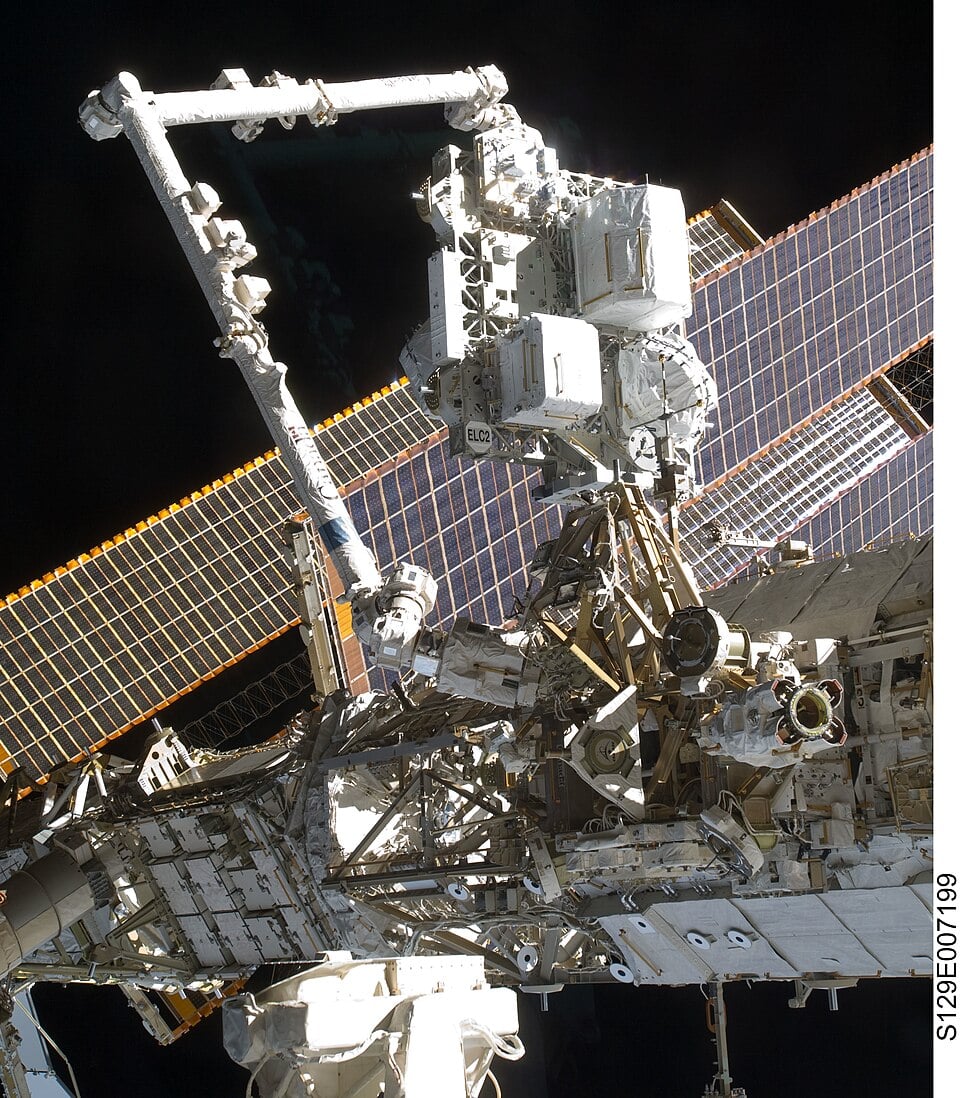
Scientists are now studying mayonnaise and other soft materials in a groundbreaking project aboard the International Space Station (ISS). This research aims to unravel the mysteries of how substances like gels, foams, and colloids change over time without the constant influence of gravity. The new facility, known as COLIS, was developed through a collaboration between researchers from the Politecnico di Milano and the Université de Montpellier.
Soft matter, which includes common products such as mayonnaise and creams, undergoes gradual changes influenced by gravity. Earth’s gravitational pull affects how particles within these materials settle and rearrange. The research team, led by physicist Luca Cipelletti from the Laboratoire Charles Coulomb and Roberto Piazza from the Soft Matter laboratory at Politecnico di Milano, seeks to understand these aging processes in a weightless environment.
Introducing COLIS and Its Capabilities
COLIS, which stands for “Colloids in Space,” uses advanced optical techniques to observe materials without disturbing them. One of the primary methods employed is dynamic light scattering, which analyzes how laser beams pass through samples. This technique reveals minute variations, known as speckle patterns, that indicate how soft materials, such as gels, restructure over time.
The facility also allows researchers to meticulously heat samples, triggering aging processes in controlled and reproducible ways. This precise manipulation enables scientists to observe changes at the molecular level, providing insights that are difficult to obtain under normal Earth conditions.
Early findings from COLIS have already yielded unexpected results. The team discovered that gravity has a more profound effect on the structure of soft matter than previously thought, influencing material properties even over extended timescales. This information could be crucial for various industries.
Implications for Industries Relying on Soft Matter
Pharmaceutical companies are particularly interested in this research. Drugs that need to remain stable for years can benefit from an understanding of soft matter behavior in microgravity. Similarly, cosmetics manufacturers are eager to develop creams that do not separate and food producers require emulsions that maintain consistency during distribution and storage.
The COLIS project operates under the umbrella of the European Space Agency, with additional support from both the Italian Space Agency and the French Space Agency. By transporting soft materials to the ISS, the team is now analyzing samples of colloidal nanoparticles, which are ideal for investigating internal reorganization and aging.
As this research continues, it holds the potential to revolutionize formulation design across various sectors. By understanding how soft matter behaves free from the constraints of gravity, scientists aim to enhance the stability and effectiveness of everyday products used in medicine, beauty, and food industries.
The results of COLIS not only advance scientific knowledge but also have practical implications that could lead to improved products and formulations in the future.

Robinhood Stock Surges 2.5% in Early Trading on March 17

Israel Intensifies Strikes as Global Energy Crisis Looms

CALV Offers Class on Communication Skills for Real Estate Professionals

Historic Bideford Pub Reopens as The Patch Wine Bar & Kitchen

Oscar Night Celebrations: Winners, Guests, and Exclusive After-Parties

Samsung Galaxy Watch 9 Set for Larger Battery Boost, Report Reveals

Kibble vs. Fresh Dog Food: What’s Best for Your Dog’s Health?

Acclaimed San Francisco Pizzeria Del Popolo to Close in May

‘Invincible’ Season 4 Launches on Prime Video with Epic Action

ALMA Discovers Companion Orbiting Giant Red Star π 1 Gruis

Doctoral Candidate Trivanni Yadav Advances Battery Research at UTulsa

Global Air Forces Ranked by Annual Defense Budgets in 2025

Rev. Bry Shields to Retire as McGill-Toolen President in 2026

Mass Production of F-35 Fighter Jet Drives Down Costs

Tucson Celebrates Life and Remembrance at 36th Annual All Souls Procession

Gold Investment Surge: Top Mutual Funds and ETF Alternatives

DirecTV to Launch AI-Driven Ads with User Likenesses in 2026

Paul Giamatti Reveals Villainous Role in Star Trek: Starfleet Academy
-
 Science9 months ago
ALMA Discovers Companion Orbiting Giant Red Star π 1 Gruis
-
 Science9 months ago
Doctoral Candidate Trivanni Yadav Advances Battery Research at UTulsa
-
 World10 months ago
Global Air Forces Ranked by Annual Defense Budgets in 2025
-
 Lifestyle10 months ago
Rev. Bry Shields to Retire as McGill-Toolen President in 2026
-
 World10 months ago
Mass Production of F-35 Fighter Jet Drives Down Costs
-
 Lifestyle9 months ago
Tucson Celebrates Life and Remembrance at 36th Annual All Souls Procession
-
 Business10 months ago
Gold Investment Surge: Top Mutual Funds and ETF Alternatives
-
 Top Stories10 months ago
DirecTV to Launch AI-Driven Ads with User Likenesses in 2026
-
 Entertainment10 months ago
Paul Giamatti Reveals Villainous Role in Star Trek: Starfleet Academy
-

 Lifestyle8 months ago
Maumee’s Shop With a Hero Event Delivers Joy to Local Children
-

 Top Stories10 months ago
New ‘Star Trek: Voyager’ Game Demo Released, Players Test Limits
-

 Lifestyle8 months ago
Cape May Shines as New Jersey’s Only Entry on Beach Town List