
World
US Justice Department Revokes Protections for LGBTQ+ Inmates

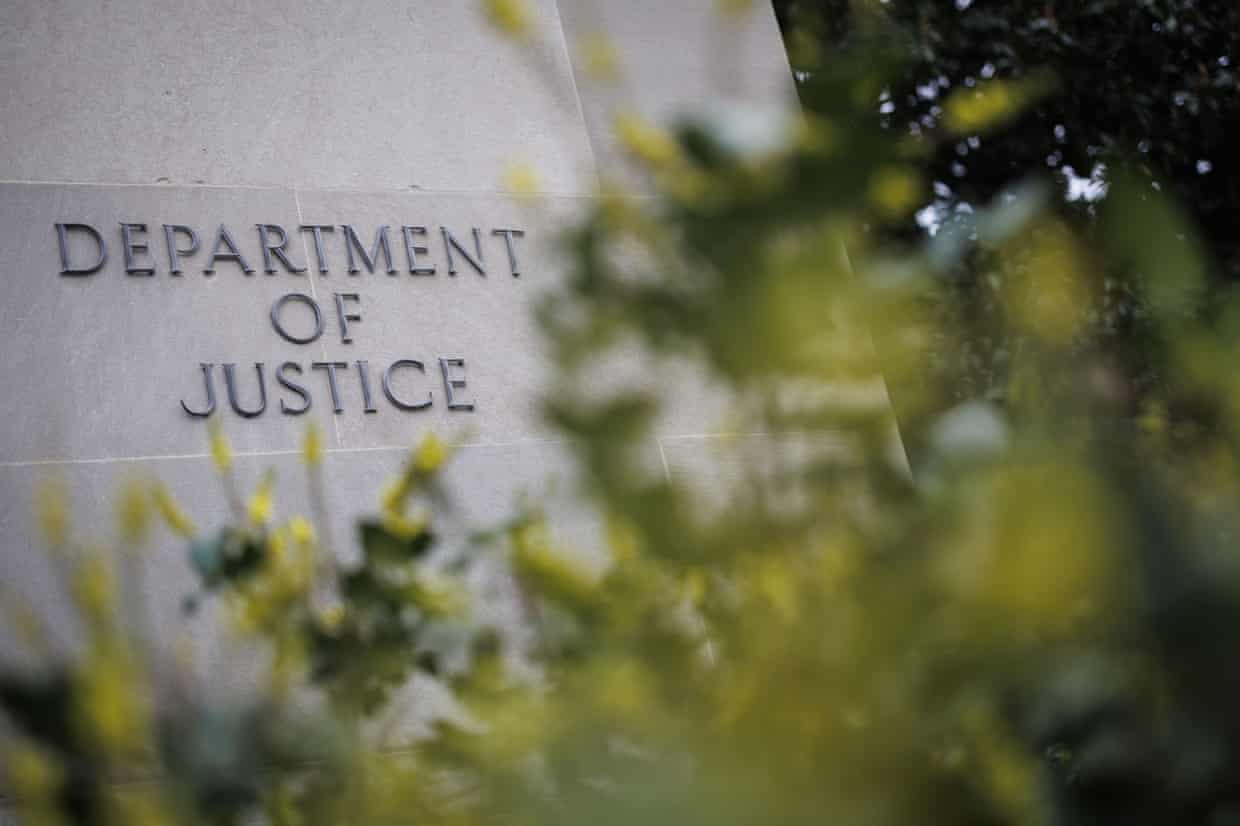
The US Department of Justice has announced a significant policy shift that eliminates protections for LGBTQ+ individuals against sexual abuse in prisons. This decision, described by advocates as “reckless and dangerous,” is expected to lead to an increase in assaults within correctional facilities. A memo issued on October 3, 2023, stated that prisons and jails will no longer be accountable for violating standards designed to safeguard LGBTQ+ individuals from harassment and abuse.
The directive relates to the Prison Rape Elimination Act (PREA), a federal law established in 2003 to reduce sexual violence in correctional settings. According to the law, incarcerated individuals must be assessed for their risk of sexual assault, with considerations for their LGBTQ+ status. The recent memo from Tammie Gregg, principal deputy director of the Bureau of Justice Assistance, indicated that inspections for compliance with these protections would cease immediately.
Revising Regulations Under PREA
The Justice Department’s decision aligns with former President Donald Trump’s executive orders aimed at undermining transgender rights, specifically one issued on his inauguration day that sought to restrict transgender women from being housed in women’s facilities. The memo indicates that the Justice Department is in the process of updating PREA standards to comply with this executive order, which has faced legal challenges.
This policy change affects critical regulations, including those requiring that transgender, intersex, and gender-nonconforming individuals be screened for victimization risks. It also alters rules intended to prevent discriminatory pat searches and mandates respectful communication with LGBTQ+ individuals. Linda McFarlane, executive director of Just Detention International, expressed grave concerns about the implications of these revisions, stating, “The proposed revisions to the PREA standards will lead to increased chaos and violence inside prisons and jails, placing staff and incarcerated people in greater danger.”
Impact on Incarcerated LGBTQ+ Individuals
The change comes even as some aspects of Trump’s executive order have been blocked in court. Earlier this year, several transgender women were moved from women’s facilities to men’s prisons, but subsequent court rulings mandated their return to appropriate housing. Unfortunately, many transgender individuals in federal custody continue to be placed in facilities that do not match their gender identity.
Kara Janssen, an attorney who has represented trans women in custody battles, criticized the memo for creating an “incredibly dangerous situation.” She highlighted the confusion it would cause among correctional facilities, which are now instructed not to adhere to their legal obligations. “It’s saying you don’t have to be afraid to violate the law… and you can do these searches as disrespectfully as possible,” she added.
Shana Knizhnik, a senior staff attorney with the American Civil Liberties Union (ACLU), warned that the memo complicates the work of PREA monitors. Although she emphasized that PREA remains the law, she expressed concern that this directive signals a disregard for the safety of LGBTQ+ individuals in custody.
As the situation develops, advocates for LGBTQ+ rights continue to call for adherence to PREA standards, stressing the importance of protecting vulnerable populations in correctional settings. The Justice Department has not commented on the backlash following this policy change, leaving many to question the future safeguards for LGBTQ+ inmates facing the risk of sexual violence.

US Navy Transitions to F-35C Jets: Key Changes Ahead

Winter Heating Costs Surge: Essential Tips to Save NOW!

Urgent Update: Winning Numbers for Nebraska Pick 5 Drawn Today

Kentucky Wildcats Suffer Crushing 94-59 Loss to Gonzaga

TXT’s “Good Boy Gone Bad” Surges Past 200 Million Streams on Spotify

John Cena’s Final Opponent Confirmed for Retirement Match

Magic Edge Heat 106-105 in Thrilling Finish; Banchero Returns

CU Buffs Volleyball Falls to Indiana in NCAA Tournament Shock

U.S. Military Boat Strikes Under Scrutiny; Legal Experts Call It War Crime

ALMA Discovers Companion Orbiting Giant Red Star π 1 Gruis

New ‘Star Trek: Voyager’ Game Demo Released, Players Test Limits

Global Air Forces Ranked by Annual Defense Budgets in 2025

SEVENTEEN’s Mingyu Faces Backlash Over Alcohol Incident at Concert

Electrification Challenges Demand Advanced Multiphysics Modeling

Mass Production of F-35 Fighter Jet Drives Down Costs

Gold Investment Surge: Top Mutual Funds and ETF Alternatives

Time Crystals Revolutionize Quantum Computing Potential

DirecTV to Launch AI-Driven Ads with User Likenesses in 2026
-
 Science3 weeks ago
ALMA Discovers Companion Orbiting Giant Red Star π 1 Gruis
-
 Top Stories2 months ago
New ‘Star Trek: Voyager’ Game Demo Released, Players Test Limits
-
 World2 months ago
Global Air Forces Ranked by Annual Defense Budgets in 2025
-
 Politics1 month ago
SEVENTEEN’s Mingyu Faces Backlash Over Alcohol Incident at Concert
-
 World2 months ago
Electrification Challenges Demand Advanced Multiphysics Modeling
-
 World2 months ago
Mass Production of F-35 Fighter Jet Drives Down Costs
-
 Business2 months ago
Gold Investment Surge: Top Mutual Funds and ETF Alternatives
-
 Science2 months ago
Time Crystals Revolutionize Quantum Computing Potential
-
 Top Stories2 months ago
DirecTV to Launch AI-Driven Ads with User Likenesses in 2026
-

 Entertainment2 months ago
Freeport Art Gallery Transforms Waste into Creative Masterpieces
-

 Business2 months ago
US Government Denies Coal Lease Bid, Impacting Industry Revival Efforts
-

 Health2 months ago
Gavin Newsom Critiques Trump’s Health and National Guard Plans