
World
Nicolas Maduro Survives Political Storms for Over a Decade

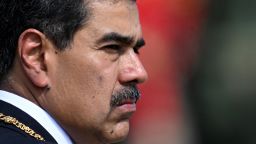
Nicolás Maduro has held power in Venezuela for over a decade, enduring criticism, sanctions, and significant challenges to his authority. His presidency, which began in April 2013 following the death of his predecessor, Hugo Chávez, has been marked by a series of eccentric decisions and controversial electoral processes. Despite these challenges, Maduro’s ability to maintain control demonstrates a complex political landscape that defies predictions and expectations.
Maduro’s journey to the presidency was not straightforward. Initially, he garnered only minority support within the United Socialist Party of Venezuela (PSUV) and faced internal tensions, particularly with Diosdado Cabello, then president of the National Assembly. However, Chávez’s blessing before his death in December 2012 propelled Maduro into the leadership role, allowing him to embody the spirit of chavismo.
In the years since, Maduro has faced significant hurdles, including accusations of electoral fraud, opposition protests, and international isolation. While his governance style has drawn ridicule, the Venezuelan president has proven resilient, emerging as the longest-serving leader in Latin America, with a tenure that now extends beyond twelve years.
Controversial Governance and Allegations of Human Rights Violations
Under Maduro, Venezuela has witnessed a dramatic decline in its economy, with reports indicating that the country has lost approximately 72% of its economic capacity since 2013. The International Monetary Fund (IMF) notes that the Venezuelan economy currently stands at only 28% of its 2013 levels. Much of this economic turmoil stems from a collapse in oil revenues, which have fallen to just 20% of their former levels due to both mismanagement and declining global prices.
Despite the dire economic situation, Maduro has managed to sustain his rule by leveraging a narrative of anti-imperialism, often blaming US sanctions for the country’s woes. He has also utilized state resources to maintain power, including the security forces and paramilitary groups known as “colectivos,” which have been implicated in human rights violations. According to a 2020 UN report, these violations have been systematic and widespread, constituting crimes against humanity.
Maduro’s administration has faced multiple accusations from international bodies, including the International Criminal Court (ICC), which has documented human rights abuses under his regime. The UN has reported a significant increase in arbitrary arrests, torture, and extrajudicial killings, leading to a global outcry against Maduro’s governance. Yet he continues to deny these allegations, framing them as politically motivated attacks against his government.
International Relations and Political Survival
Maduro’s political survival has been aided by strategic alliances, particularly with countries like China, Russia, and Iran. These relationships have provided not only economic support but also diplomatic backing in the face of international condemnation. His close ties with Cuba, established during Chávez’s presidency, have also played a crucial role in bolstering his regime, allowing him to navigate the complexities of opposition movements and maintain a grip on power.
Following his narrow victory in the 2013 elections, where he defeated opposition leader Henrique Capriles by a mere 1.59%, Maduro faced persistent challenges to his legitimacy. Subsequent elections have continued to spark controversy and allegations of fraud, with opposition parties frequently contesting the results. Despite this, Maduro has managed to consolidate power, suppress dissent, and maintain a semblance of authority, even as millions of Venezuelans have fled the country in search of better opportunities abroad.
As Maduro approaches a potential new electoral cycle, he confronts increasing pressure from the United States, which has intensified its sanctions and military posturing in the region. The Biden administration has inherited a complex situation from its predecessor, with a combination of diplomatic engagement and economic sanctions aimed at undermining Maduro’s regime.
The Venezuelan leader remains defiant, asserting that he can withstand external pressures and navigate the challenges ahead. Whether he can continue to defy predictions and retain his position amid ongoing crises is a question that lingers as Venezuela grapples with profound socio-economic issues and mounting international scrutiny.

Over 1,600 Bikers Surge Through Pinellas for Charity Toy Record

Incyte’s New Drug Shows Promise for Treating Myelofibrosis

Utah State Aggies to Compete Against Washington State in Potato Bowl

Jayden Daniels Injured Again as Commanders Face Vikings Setback

FanDuel Casino Launches New Offer with 500 Free Spins and $40 Credits

New ‘Lord of the Rings’ Film to Reveal Sauron’s True Form in 2027

Rutherford B. Hayes Library Launches Urgent December Book Clubs

Alabama and Miami Secure Spots in College Football Playoff

Trump’s Influence Reshapes House Speaker Role, Experts Warn

ALMA Discovers Companion Orbiting Giant Red Star π 1 Gruis

New ‘Star Trek: Voyager’ Game Demo Released, Players Test Limits

SEVENTEEN’s Mingyu Faces Backlash Over Alcohol Incident at Concert

Global Air Forces Ranked by Annual Defense Budgets in 2025

Mass Production of F-35 Fighter Jet Drives Down Costs

Electrification Challenges Demand Advanced Multiphysics Modeling

Gold Investment Surge: Top Mutual Funds and ETF Alternatives

Time Crystals Revolutionize Quantum Computing Potential

DirecTV to Launch AI-Driven Ads with User Likenesses in 2026
-
 Science3 weeks ago
ALMA Discovers Companion Orbiting Giant Red Star π 1 Gruis
-
 Top Stories2 months ago
New ‘Star Trek: Voyager’ Game Demo Released, Players Test Limits
-
 Politics2 months ago
SEVENTEEN’s Mingyu Faces Backlash Over Alcohol Incident at Concert
-
 World2 months ago
Global Air Forces Ranked by Annual Defense Budgets in 2025
-
 World2 months ago
Mass Production of F-35 Fighter Jet Drives Down Costs
-
 World2 months ago
Electrification Challenges Demand Advanced Multiphysics Modeling
-
 Business2 months ago
Gold Investment Surge: Top Mutual Funds and ETF Alternatives
-
 Science2 months ago
Time Crystals Revolutionize Quantum Computing Potential
-
 Top Stories2 months ago
DirecTV to Launch AI-Driven Ads with User Likenesses in 2026
-

 Entertainment2 months ago
Freeport Art Gallery Transforms Waste into Creative Masterpieces
-

 Business2 months ago
US Government Denies Coal Lease Bid, Impacting Industry Revival Efforts
-

 Lifestyle2 months ago
Discover Reese Witherspoon’s Chic Dining Room Style for Under $25