
World
China Leverages Rare Earths to Strengthen Global Trade Position

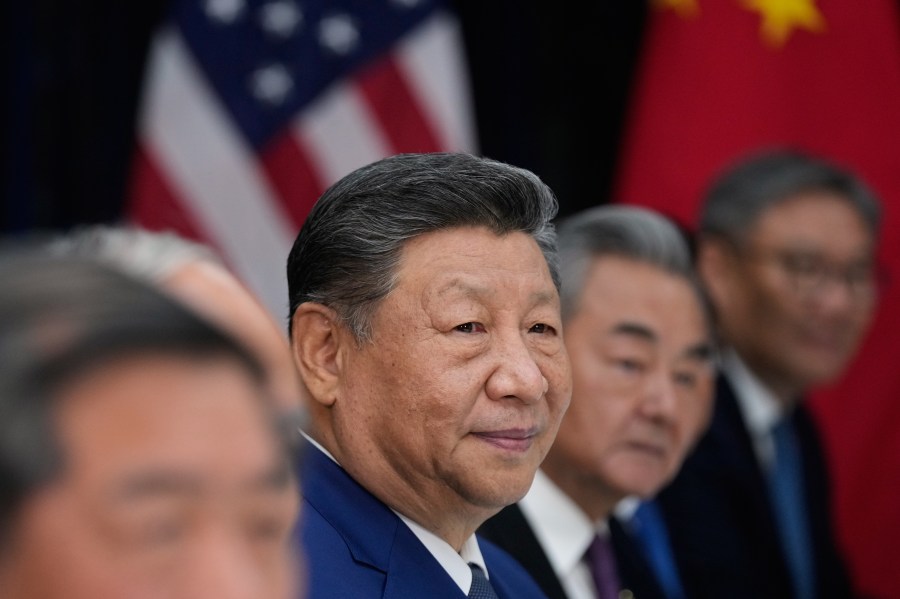
China’s recent restrictions on the export of certain rare earth elements mark a significant shift in global trade dynamics. This move is seen as a strategic effort by Beijing to leverage its dominant position in the rare earth market, which is vital for the production of high-tech goods, including smartphones, electric vehicles, and military equipment.
The restrictions, announced in early March 2024, aim to limit exports of specific rare earth materials, including neodymium and dysprosium. These elements are crucial for the manufacturing of strong permanent magnets used in various technologies. The Chinese government stated that the measures are necessary for environmental protection and the sustainable management of resources.
Impact on Global Markets
China produces over 60% of the world’s rare earth elements, making it a key player in the global supply chain. The new export limitations have already led to increased prices for these materials on international markets. According to analysts, prices for neodymium have surged by approximately 30% since the announcement. This upward trend poses challenges for manufacturers outside China who rely on these essential materials.
Countries like the United States and members of the European Union have expressed concern over their reliance on Chinese rare earths. In response, the U.S. is ramping up efforts to develop domestic sources of these elements, aiming to reduce vulnerability in the supply chain. In a statement, U.S. Secretary of Commerce, Gina Raimondo, emphasized the importance of diversifying sources to ensure national security.
The European Union is also exploring alternative supply routes and investing in recycling technologies to recover rare earths from electronic waste. In a recent report, the European Commission highlighted that enhancing the circular economy could mitigate dependency on single-source suppliers.
Geopolitical Ramifications
The geopolitical implications of China’s export restrictions extend beyond economic factors. As countries scramble to secure their supply chains, tensions may rise in international relations. The United States and its allies may view this as an opportunity to strengthen ties and collaborate on sourcing alternatives.
China’s strategic maneuvering is not only a response to foreign policy challenges but also a reflection of its ambitions to ascend as a leader in high-tech industries. By controlling a critical segment of the global supply chain, China is positioning itself as an indispensable player in the future of technology.
In summary, China’s rare earth export restrictions signify a broader strategy to enhance its influence in the world economy. As nations adapt to these changes, the focus will likely shift toward developing sustainable alternatives and fostering international partnerships. The coming months will be telling as countries respond to this shift, seeking to safeguard their technological advancements and economic stability in an increasingly interconnected world.

New York Times Uncovers Biden’s Border Crisis Missteps

Matt Campbell Introduced as Penn State’s New Head Coach Today

Urgent Rescue: NYC Hiker Stranded in Hudson Valley Wilderness

Kim Soo Hyun’s Fans Launch Urgent Support Effort Amid Crisis

Shedeur Sanders Shines With Historic Performance in NFL Debut

Flooding Damages Hundreds of Artifacts at Paris’s Louvre Museum

Respiree Gains Approval for AI Tool to Detect Patient Deterioration

Explore 10 Unforgettable Crime Epics That Redefine Cinema

Community Unites at Sun Santa Family Christmas Party to Spread Joy

ALMA Discovers Companion Orbiting Giant Red Star π 1 Gruis

New ‘Star Trek: Voyager’ Game Demo Released, Players Test Limits

SEVENTEEN’s Mingyu Faces Backlash Over Alcohol Incident at Concert

Global Air Forces Ranked by Annual Defense Budgets in 2025

Electrification Challenges Demand Advanced Multiphysics Modeling

Mass Production of F-35 Fighter Jet Drives Down Costs

Time Crystals Revolutionize Quantum Computing Potential

Gold Investment Surge: Top Mutual Funds and ETF Alternatives

DirecTV to Launch AI-Driven Ads with User Likenesses in 2026
-
 Science3 weeks ago
ALMA Discovers Companion Orbiting Giant Red Star π 1 Gruis
-
 Top Stories2 months ago
New ‘Star Trek: Voyager’ Game Demo Released, Players Test Limits
-
 Politics2 months ago
SEVENTEEN’s Mingyu Faces Backlash Over Alcohol Incident at Concert
-
 World2 months ago
Global Air Forces Ranked by Annual Defense Budgets in 2025
-
 World2 months ago
Electrification Challenges Demand Advanced Multiphysics Modeling
-
 World2 months ago
Mass Production of F-35 Fighter Jet Drives Down Costs
-
 Science2 months ago
Time Crystals Revolutionize Quantum Computing Potential
-
 Business2 months ago
Gold Investment Surge: Top Mutual Funds and ETF Alternatives
-
 Top Stories2 months ago
DirecTV to Launch AI-Driven Ads with User Likenesses in 2026
-

 Entertainment2 months ago
Freeport Art Gallery Transforms Waste into Creative Masterpieces
-

 Health2 months ago
Gavin Newsom Critiques Trump’s Health and National Guard Plans
-

 Lifestyle2 months ago
Discover Reese Witherspoon’s Chic Dining Room Style for Under $25