
Politics
U.S. Proposes New Social Media Disclosure for Visa Waiver Travelers

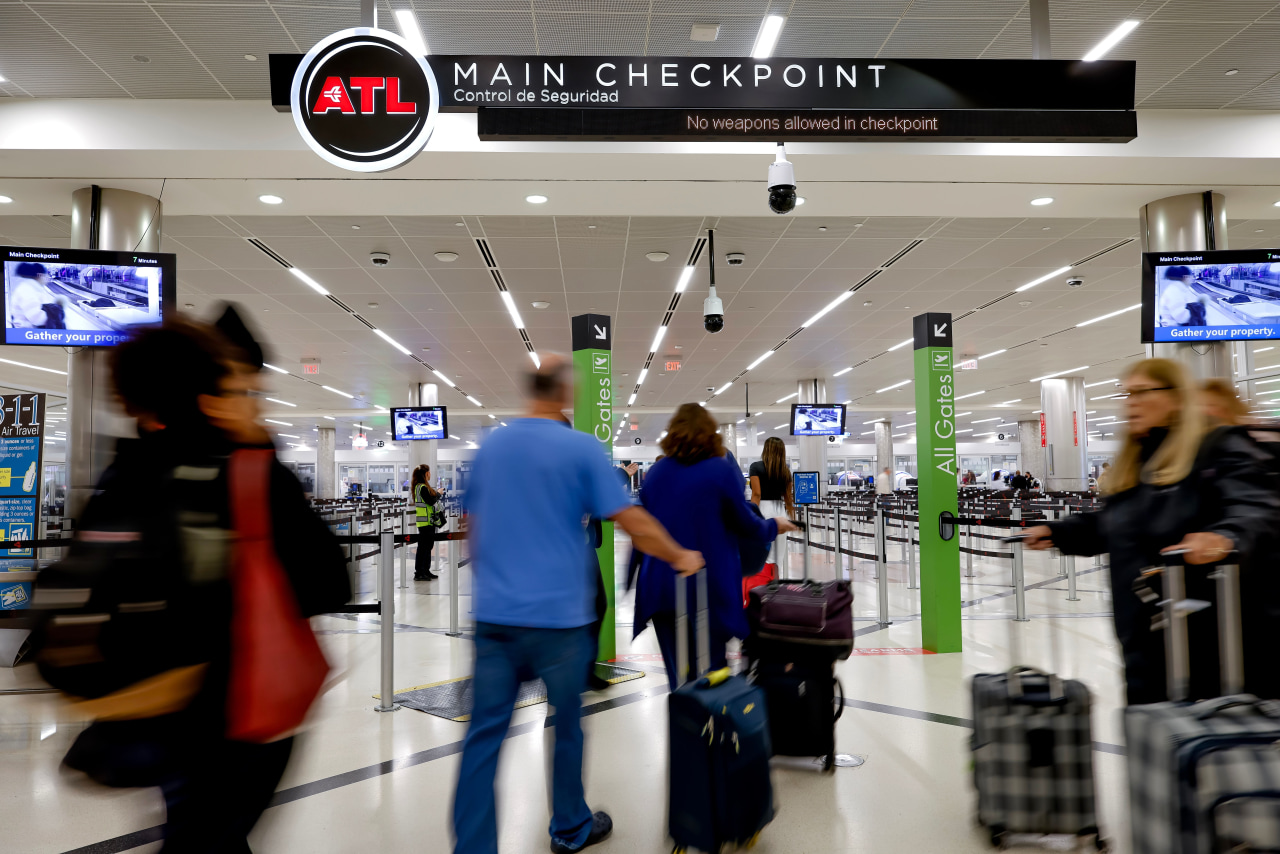
Citizens from countries such as the United Kingdom, France, and Japan who travel to the United States under the Visa Waiver Program may soon face a new requirement. They will need to disclose their social media history from the past five years as part of the entry process. This proposal, announced by the U.S. Department of Homeland Security, aims to enhance national security and improve the vetting process for travelers.
The Visa Waiver Program allows citizens from participating countries to visit the U.S. for tourism or business for up to 90 days without obtaining a visa. This proposed change, however, has raised concerns among privacy advocates and travelers alike, as it could complicate the entry process for millions.
Details of the Proposal
Under the new rules, travelers will be required to provide their social media handles and account information for platforms such as Twitter, Facebook, and Instagram. This information will be reviewed by U.S. authorities to assess any potential risks associated with the traveler. The initiative is part of a broader strategy to strengthen security measures following various global events that have heightened concerns about terrorism and security threats.
Supporters of the measure argue that enhanced scrutiny is necessary to protect U.S. citizens. They assert that understanding a traveler’s social media history can provide valuable insights into their background and intentions. The U.S. Department of Homeland Security has stated that while the information collected will be used for security purposes, it will be handled with strict confidentiality.
Impact on International Travelers
Travelers from participating countries have expressed mixed reactions to the proposal. Many are concerned about the implications for their privacy and the potential for increased delays at border control. John Smith, a frequent traveler from London, commented, “This feels like an invasion of privacy. It is already difficult enough to travel to the U.S. without having to account for my social media activity.”
The proposal is expected to take effect in March 2024, pending further review and public feedback. As discussions continue, stakeholders are urging the government to provide clear guidelines on how the information will be used and to ensure that it does not result in discrimination against certain groups.
While the U.S. government emphasizes the importance of security, international travelers are left grappling with the potential consequences of this new policy. As the travel landscape continues to evolve, both privacy and security remain critical considerations for all involved.

NASA Loses Contact with Maven Spacecraft Orbiting Mars

Major $242M Renovation Transforms MSP Airport’s Terminal 1

Krispy Kreme Offers Dozen Doughnuts for $1 on One Day Only

Stanley Roberts Discusses “People Behaving Badly” on 102.9 Radio

Identify Flu or COVID-19: Key Symptoms for Differentiation

Ohio Homeless Services Face Funding Cuts Despite Rising Demand

US Plans New Social Media Screening for Visa Waiver Travelers

Researchers Identify Protein Linked to Necroptosis, Paving Way for Treatments

New Social Media Screening for Visa-Free Travelers to the US

ALMA Discovers Companion Orbiting Giant Red Star π 1 Gruis

New ‘Star Trek: Voyager’ Game Demo Released, Players Test Limits

SEVENTEEN’s Mingyu Faces Backlash Over Alcohol Incident at Concert

Global Air Forces Ranked by Annual Defense Budgets in 2025

Mass Production of F-35 Fighter Jet Drives Down Costs

Electrification Challenges Demand Advanced Multiphysics Modeling

Gold Investment Surge: Top Mutual Funds and ETF Alternatives

Time Crystals Revolutionize Quantum Computing Potential

DirecTV to Launch AI-Driven Ads with User Likenesses in 2026
-
 Science4 weeks ago
ALMA Discovers Companion Orbiting Giant Red Star π 1 Gruis
-
 Top Stories2 months ago
New ‘Star Trek: Voyager’ Game Demo Released, Players Test Limits
-
 Politics2 months ago
SEVENTEEN’s Mingyu Faces Backlash Over Alcohol Incident at Concert
-
 World2 months ago
Global Air Forces Ranked by Annual Defense Budgets in 2025
-
 World2 months ago
Mass Production of F-35 Fighter Jet Drives Down Costs
-
 World2 months ago
Electrification Challenges Demand Advanced Multiphysics Modeling
-
 Business2 months ago
Gold Investment Surge: Top Mutual Funds and ETF Alternatives
-
 Science2 months ago
Time Crystals Revolutionize Quantum Computing Potential
-
 Top Stories2 months ago
DirecTV to Launch AI-Driven Ads with User Likenesses in 2026
-

 Entertainment2 months ago
Freeport Art Gallery Transforms Waste into Creative Masterpieces
-

 Business2 months ago
US Government Denies Coal Lease Bid, Impacting Industry Revival Efforts
-

 Health2 months ago
Gavin Newsom Critiques Trump’s Health and National Guard Plans