
Science
Cambridge’s Festival of Floppies Revives Digital Heritage

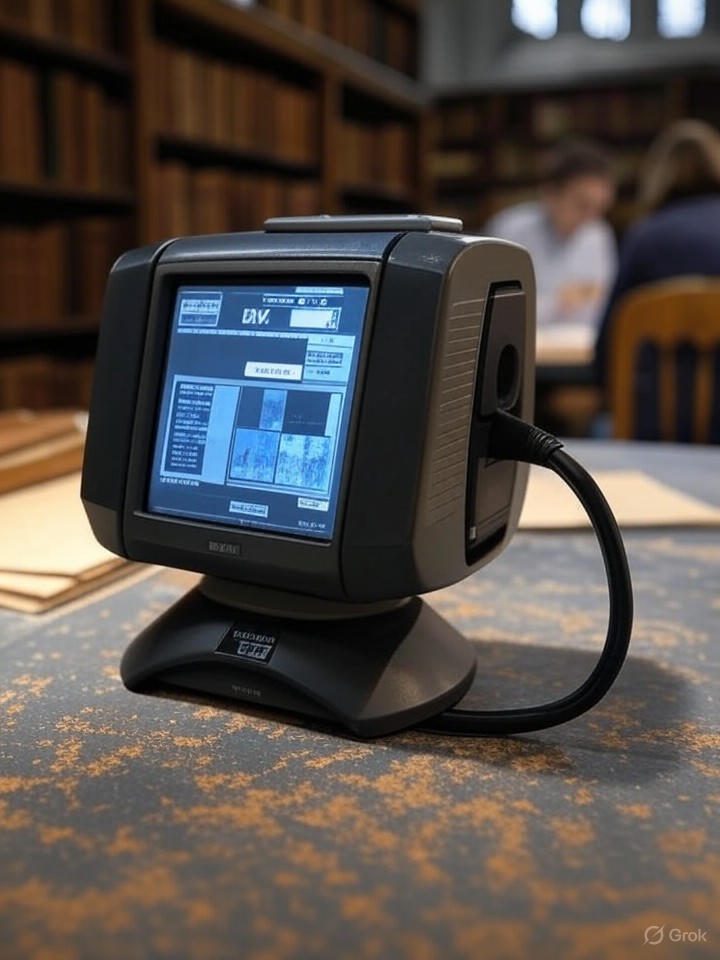
A unique event took place on October 9, 2023, at the Cambridge University Library, where the Festival of Floppies revived the legacy of floppy disks, addressing the challenges of digital preservation. This gathering of archivists, retro-computing enthusiasts, and conservation experts focused on the urgent need to preserve these magnetic storage devices, which were prevalent in personal computing from the 1980s to the 1990s. Organized under the auspices of the Future Nostalgia project, the festival served as a platform for participants to explore the significance of floppy disks that are now at risk of degradation.
Participants engaged in hands-on workshops to learn about disk imaging using specialized tools such as the KryoFlux device. This technology captures raw magnetic flux data, allowing for the preservation of files as well as the disks’ structural integrity. The event underscored the importance of intervention, as floppy disks are susceptible to damage from mold, dust, and magnetic decay, potentially jeopardizing irreplaceable cultural artifacts, including personal letters and early digital art.
Collaboration and Knowledge Sharing
Collaboration was a central theme at the festival, attracting individuals from various fields, including libraries, archives, and gaming communities. Speakers presented on topics ranging from ethical considerations in data recovery to effective cleaning techniques for contaminated disks. One notable presentation examined the challenges posed by non-standard formats, demonstrating how the trial-and-error approaches of retro-computing hobbyists have become invaluable resources for professional archivists.
The agenda included practical sessions on disk imaging workflows, emphasizing the necessity for standardized best practices in preservation efforts. According to a post on the Digital Preservation at Cambridge University Libraries blog, the event fostered a sense of community, with attendees sharing personal stories of “disk disasters” and successes, such as salvaging data from seemingly unrecoverable media. This exchange of knowledge is crucial, particularly as floppy disks often enter collections through donations from retirees or estates, sometimes containing historical treasures like documents from Stephen Hawking.
Innovative Tools for Digital Preservation
Technical demonstrations showcased advanced tools that extend beyond standard USB drives, highlighting why consumer-grade readers are inadequate for preservation tasks. The KryoFlux enables bit-level imaging, creating precise digital replicas that can be further analyzed and migrated to contemporary formats. Participants also explored software like the HxC Floppy Emulator, which assists in emulating older hardware environments to access locked files.
Conversations at the festival also addressed the broader implications of digital heritage preservation, including the environmental considerations of maintaining physical media versus transitioning to cloud storage solutions. The festival celebrated floppy disks not merely as outdated technology but as gateways to personal and cultural histories, with artistic installations reflecting the pixelated aesthetics of the era.
Looking ahead, the Festival of Floppies serves as a model for similar initiatives across the globe, aiming to prevent what some refer to as a potential “digital dark age.” By documenting workflows and sharing resources, Cambridge seeks to empower smaller institutions that may lack specialized equipment. Leontien Talboom, a prominent figure in Cambridge’s digital preservation team, noted success stories from the event, including the imaging of disks from the library’s own collections, which harbored unpublished manuscripts and early software prototypes.
The festival’s legacy extends to advocating for policies that ensure funding and training in digital preservation, crucial for safeguarding today’s data from future obsolescence. As floppy disks gradually fade from use, the insights gained at this event—melding nostalgia with cutting-edge technology—provide a blueprint for preserving our evolving digital heritage, reaffirming that the effort of preservation is as much about innovation as it is about remembering the past.

Robinhood Stock Surges 2.5% in Early Trading on March 17

Israel Intensifies Strikes as Global Energy Crisis Looms

CALV Offers Class on Communication Skills for Real Estate Professionals

Historic Bideford Pub Reopens as The Patch Wine Bar & Kitchen

Oscar Night Celebrations: Winners, Guests, and Exclusive After-Parties

Samsung Galaxy Watch 9 Set for Larger Battery Boost, Report Reveals

Kibble vs. Fresh Dog Food: What’s Best for Your Dog’s Health?

Acclaimed San Francisco Pizzeria Del Popolo to Close in May

‘Invincible’ Season 4 Launches on Prime Video with Epic Action

ALMA Discovers Companion Orbiting Giant Red Star π 1 Gruis

Doctoral Candidate Trivanni Yadav Advances Battery Research at UTulsa

Global Air Forces Ranked by Annual Defense Budgets in 2025

Rev. Bry Shields to Retire as McGill-Toolen President in 2026

Mass Production of F-35 Fighter Jet Drives Down Costs

Tucson Celebrates Life and Remembrance at 36th Annual All Souls Procession

Gold Investment Surge: Top Mutual Funds and ETF Alternatives

DirecTV to Launch AI-Driven Ads with User Likenesses in 2026

Paul Giamatti Reveals Villainous Role in Star Trek: Starfleet Academy
-
 Science9 months ago
ALMA Discovers Companion Orbiting Giant Red Star π 1 Gruis
-
 Science8 months ago
Doctoral Candidate Trivanni Yadav Advances Battery Research at UTulsa
-
 World10 months ago
Global Air Forces Ranked by Annual Defense Budgets in 2025
-
 Lifestyle9 months ago
Rev. Bry Shields to Retire as McGill-Toolen President in 2026
-
 World10 months ago
Mass Production of F-35 Fighter Jet Drives Down Costs
-
 Lifestyle9 months ago
Tucson Celebrates Life and Remembrance at 36th Annual All Souls Procession
-
 Business10 months ago
Gold Investment Surge: Top Mutual Funds and ETF Alternatives
-
 Top Stories10 months ago
DirecTV to Launch AI-Driven Ads with User Likenesses in 2026
-
 Entertainment10 months ago
Paul Giamatti Reveals Villainous Role in Star Trek: Starfleet Academy
-

 Top Stories10 months ago
New ‘Star Trek: Voyager’ Game Demo Released, Players Test Limits
-

 Lifestyle8 months ago
Maumee’s Shop With a Hero Event Delivers Joy to Local Children
-

 Lifestyle7 months ago
Cape May Shines as New Jersey’s Only Entry on Beach Town List