
Top Stories
Urgent Climate Crisis: COP30 Summit Reveals Alarming Projections

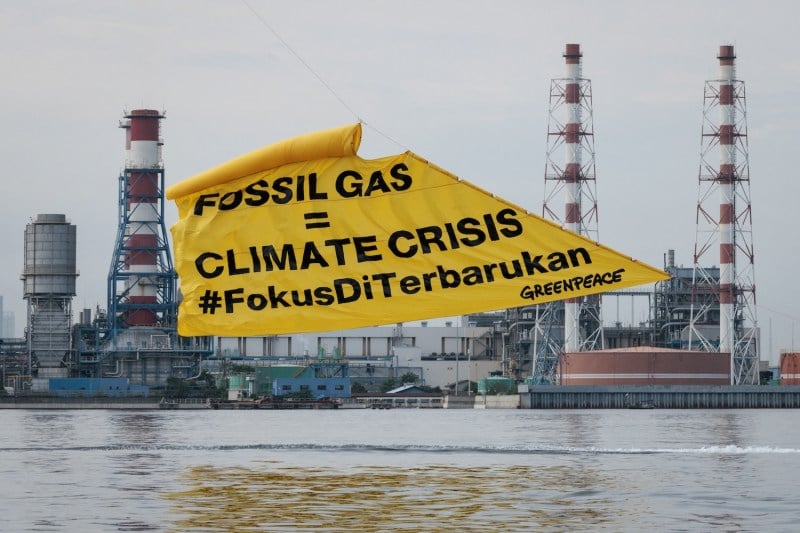
UPDATE: A recent global summit in Brazil, marking the ongoing COP30 climate conference, has unveiled alarming projections regarding climate change. Scientists warn that the average global temperature could soar by 5 degrees Fahrenheit by the end of the century, raising urgent questions about humanity’s future.
This critical moment is overshadowed by various political distractions, yet the implications of climate inaction are profound and immediate. The conference highlights a growing disconnect between pressing short-term crises and the long-term threat of climate change, which is becoming increasingly difficult to ignore.
In a controversial memo, tech billionaire Bill Gates has sparked debate by suggesting a shift in focus from climate change to addressing global poverty and health issues. While Gates acknowledges the reality of climate change, his message implies that technological solutions will eventually emerge, allowing society to prioritize more immediate concerns. This perspective has drawn significant criticism, with experts warning against the dangers of relying solely on technological optimism.
Critics, including James C. Scott, a late Yale scholar, caution against what he termed “heroic assumptions” about humanity’s ability to innovate. They argue that history reveals a pattern where human ingenuity often complicates existing problems, rather than solving them.
The memo has been seized upon by conservative commentators, including analysts from the Heritage Foundation. In a recent interview, Diana Furchtgott-Roth misinterpreted Gates’s message to support claims that climate change is exaggerated. Her arguments for fossil fuel reliance misrepresent the growing viability of renewable energy sources, which are becoming increasingly affordable and capable.
Furchtgott-Roth’s assertions also touch on sensitive issues regarding the Global South, suggesting that fossil fuel expansion is essential for economic development. She controversially argued that denying these nations access to fossil fuels could exacerbate poverty and lead to increased migration pressures. This perspective raises ethical questions about the relationship between energy consumption and social justice.
The stark reality is that the most vulnerable populations, particularly in tropical regions, are already experiencing the dire consequences of climate change. As extreme weather events become more frequent, the poorest communities, which lack resources to adapt, face the greatest threats.
The impact of a warming climate will not only heighten economic disparities but also intensify public health challenges. Increases in tropical diseases, including malaria, are anticipated as conditions deteriorate. The situation demands urgent action, as the window for effective intervention narrows.
As COP30 progresses, global leaders must prioritize immediate actions to combat climate change rather than defer to technological solutions that may be years away. The stakes are higher than ever, as the lives and livelihoods of millions depend on decisive action now.
Authorities and experts urge the world to focus on sustainable solutions that will mitigate the impacts of climate change while addressing the urgent needs of the global population. The time to act is now—delaying action could spell disaster for future generations.
The unfolding discussions at COP30 will be closely watched, as the world grapples with the dual challenges of climate change and socio-economic inequalities. What happens next could determine the trajectory of global climate policy for years to come.

Japan’s PM Takaichi Vows Fiscal Management Amid Economic Shift

Bitcoin Plummets Below $88K Amid Tether Controversy

Tottenville Falls Short in PSAL 4A Title Game Against Erasmus

Shark Teeth Reveal Urgent Insights to Prevent Extinction Now

Englewood Church Members Rally After Thanksgiving Day Fire

Mayor Appoints Alan Wong as New District 4 Supervisor

UK Universities Embrace AI to Revolutionize Research Evaluation

Mikaela Shiffrin Claims 104th World Cup Victory at Copper Mountain

Trump Promises MRI Results Amid Uncertainty Over Scan Details

New ‘Star Trek: Voyager’ Game Demo Released, Players Test Limits

Global Air Forces Ranked by Annual Defense Budgets in 2025

Mass Production of F-35 Fighter Jet Drives Down Costs

ALMA Discovers Companion Orbiting Giant Red Star π 1 Gruis

Electrification Challenges Demand Advanced Multiphysics Modeling

Gold Investment Surge: Top Mutual Funds and ETF Alternatives

Time Crystals Revolutionize Quantum Computing Potential

DirecTV to Launch AI-Driven Ads with User Likenesses in 2026

Freeport Art Gallery Transforms Waste into Creative Masterpieces
-
 Top Stories2 months ago
New ‘Star Trek: Voyager’ Game Demo Released, Players Test Limits
-
 World2 months ago
Global Air Forces Ranked by Annual Defense Budgets in 2025
-
 World2 months ago
Mass Production of F-35 Fighter Jet Drives Down Costs
-
 Science2 weeks ago
ALMA Discovers Companion Orbiting Giant Red Star π 1 Gruis
-
 World2 months ago
Electrification Challenges Demand Advanced Multiphysics Modeling
-
 Business2 months ago
Gold Investment Surge: Top Mutual Funds and ETF Alternatives
-
 Science2 months ago
Time Crystals Revolutionize Quantum Computing Potential
-
 Top Stories2 months ago
DirecTV to Launch AI-Driven Ads with User Likenesses in 2026
-
 Entertainment2 months ago
Freeport Art Gallery Transforms Waste into Creative Masterpieces
-

 Business2 months ago
US Government Denies Coal Lease Bid, Impacting Industry Revival Efforts
-

 Health1 month ago
Gavin Newsom Critiques Trump’s Health and National Guard Plans
-

 Lifestyle1 month ago
Discover Reese Witherspoon’s Chic Dining Room Style for Under $25