
Business
Federal Reserve Launches New Supervision Guidelines, Sparking Debate

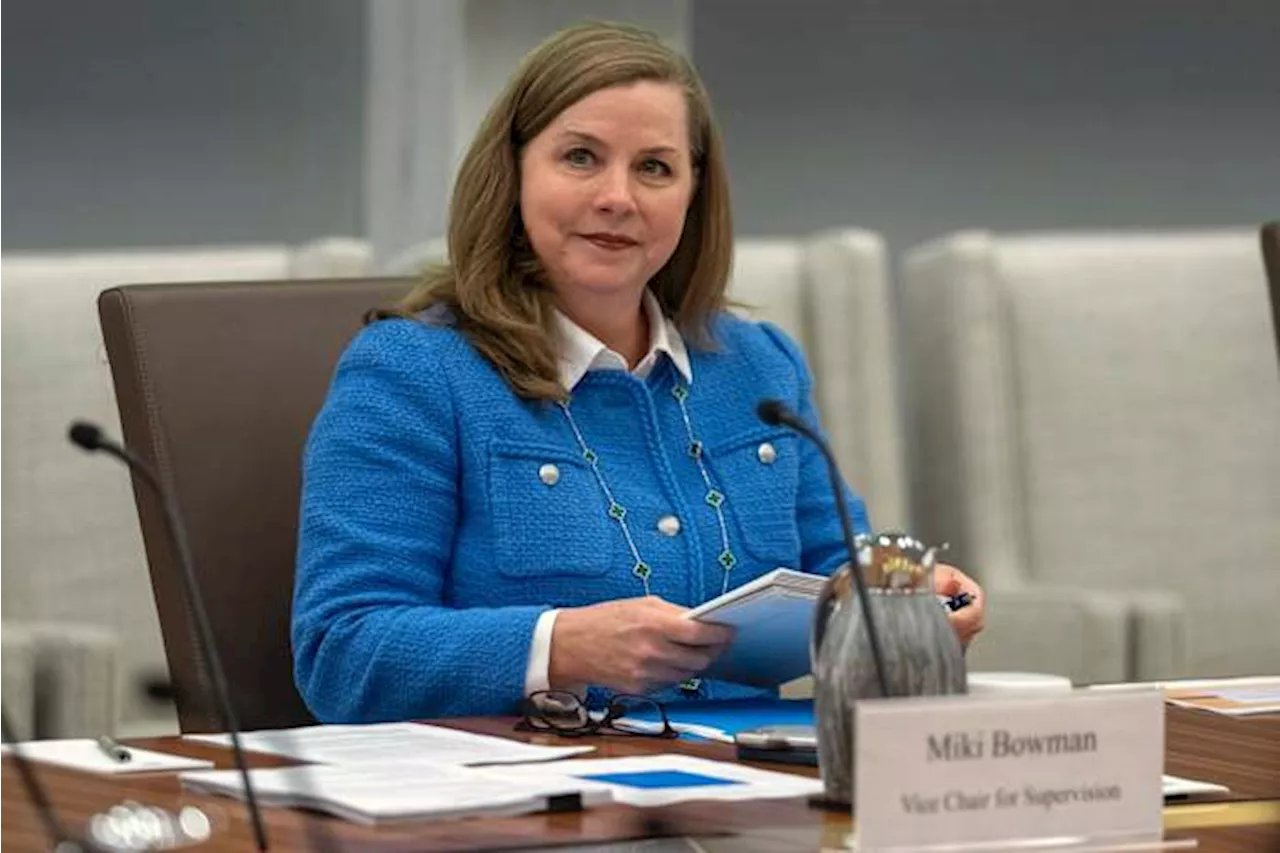
The Federal Reserve has introduced new guidelines aimed at enhancing banking supervision by prioritizing material financial risks over procedural documentation. This shift, announced on Tuesday, has elicited a mixed response, with industry groups praising the changes while some former officials express concern regarding potential regulatory weaknesses.
The guidelines, spearheaded by the Fed’s vice chair for supervision, Michelle Bowman, emphasize a more focused approach for bank examiners. By reducing the emphasis on processes and extensive documentation, the Fed aims to streamline the supervisory process and enable examiners to concentrate on critical areas that could destabilize the financial system. Bowman articulated that these principles would “sharpen” the central bank’s focus and foster a “more effective supervisory framework”.
As the banking landscape evolves, the implementation of these guidelines reflects a broader trend of regulatory adjustments within the financial sector. In recent years, there has been a noticeable rollback of certain regulations that were established following the 2008 financial crisis, particularly those associated with the Consumer Financial Protection Bureau. This trend raises questions about the ability of regulatory bodies to maintain oversight and ensure stability in the banking system.
Former Fed officials, including Michael Barr, who previously held the position of vice chair for supervision, have voiced strong disapproval of the new supervision guidelines. Barr warned that the changes could lead to increased pressures to weaken oversight, potentially hindering regulators’ ability to address excessive risks in the banking sector effectively. He expressed concern that diminished supervision could impair regulators’ capabilities to proactively identify and mitigate threats to financial stability.
The new guidelines coincide with similar initiatives from the Office of the Comptroller of the Currency, indicating a shift towards a less stringent approach to bank supervision. Under the revised framework, banks will undergo risk assessments focused solely on material risks affecting their operations, such as bad loans and unsound practices. Additionally, banks will have the option to self-certify regarding certain risk and supervision issues, further streamlining the supervisory process.
Industry groups have largely welcomed the changes, viewing them as a positive step towards reducing regulatory burdens. Greg Baer, president and CEO of the Bank Policy Institute, stated that banks tend to be more resilient when examiners prioritize material financial risks over compliance-driven exercises. This sentiment suggests a growing consensus within the industry regarding the need for a more targeted approach to supervision.
Moreover, the new framework introduces a greater degree of deference to other major bank regulators, including state-level regulators, when determining supervisory responsibilities. This shift may also facilitate a more coordinated approach to banking oversight across different regulatory bodies.
In conjunction with these operational changes, Michelle Bowman has initiated a reduction in the Fed’s regulatory staffing levels, primarily through attrition. Critics, including Barr, have raised concerns that a diminished workforce could reduce the Fed’s responsiveness to emerging risks within individual banks and the financial system at large. Barr indicated that this reduction in staff could slow response times and limit supervisory findings and enforcement actions.
The implications of these new guidelines are significant, potentially reshaping the landscape of banking regulation in the United States. As the Federal Reserve moves forward with its revised supervisory framework, the focus will remain on balancing the need for effective oversight with the importance of fostering a resilient banking environment. The ongoing debate highlights the complexities involved in navigating regulatory changes while ensuring financial stability for consumers and institutions alike.

Debate Dynamics: Bregman and Haaland Gear Up for Gubernatorial Race

University of Arizona Identifies Key Immune Cell Linked to Fibrosis

Titans Lead 2026 NFL Draft Race, Raiders and Saints Lurk Behind

Delta A350 Diverts to Tokyo After Hydraulic Emergency Mid-Flight

Zacks Research Lowers Earnings Forecast for Avanos Medical

“All’s Fair Season 1 Episode 7 to Release on December 2, 2025”

Rolette Record Sold to Cando Editors, New Era Begins

Urgent Fire at Indigo Apartments in OKC Leaves Residents Shaken

Arlene Hartman Passes Away at 87, Leaving Lasting Legacy

New ‘Star Trek: Voyager’ Game Demo Released, Players Test Limits

Global Air Forces Ranked by Annual Defense Budgets in 2025

ALMA Discovers Companion Orbiting Giant Red Star π 1 Gruis

Mass Production of F-35 Fighter Jet Drives Down Costs

Electrification Challenges Demand Advanced Multiphysics Modeling

Gold Investment Surge: Top Mutual Funds and ETF Alternatives

Time Crystals Revolutionize Quantum Computing Potential

DirecTV to Launch AI-Driven Ads with User Likenesses in 2026

Freeport Art Gallery Transforms Waste into Creative Masterpieces
-
 Top Stories2 months ago
New ‘Star Trek: Voyager’ Game Demo Released, Players Test Limits
-
 World2 months ago
Global Air Forces Ranked by Annual Defense Budgets in 2025
-
 Science2 weeks ago
ALMA Discovers Companion Orbiting Giant Red Star π 1 Gruis
-
 World2 months ago
Mass Production of F-35 Fighter Jet Drives Down Costs
-
 World2 months ago
Electrification Challenges Demand Advanced Multiphysics Modeling
-
 Business2 months ago
Gold Investment Surge: Top Mutual Funds and ETF Alternatives
-
 Science2 months ago
Time Crystals Revolutionize Quantum Computing Potential
-
 Top Stories2 months ago
DirecTV to Launch AI-Driven Ads with User Likenesses in 2026
-
 Entertainment2 months ago
Freeport Art Gallery Transforms Waste into Creative Masterpieces
-

 Business2 months ago
US Government Denies Coal Lease Bid, Impacting Industry Revival Efforts
-

 Health2 months ago
Gavin Newsom Critiques Trump’s Health and National Guard Plans
-

 Lifestyle2 months ago
Discover Reese Witherspoon’s Chic Dining Room Style for Under $25