
World
Kosovo Lawmakers Fail to Elect Government, Early Elections Loom

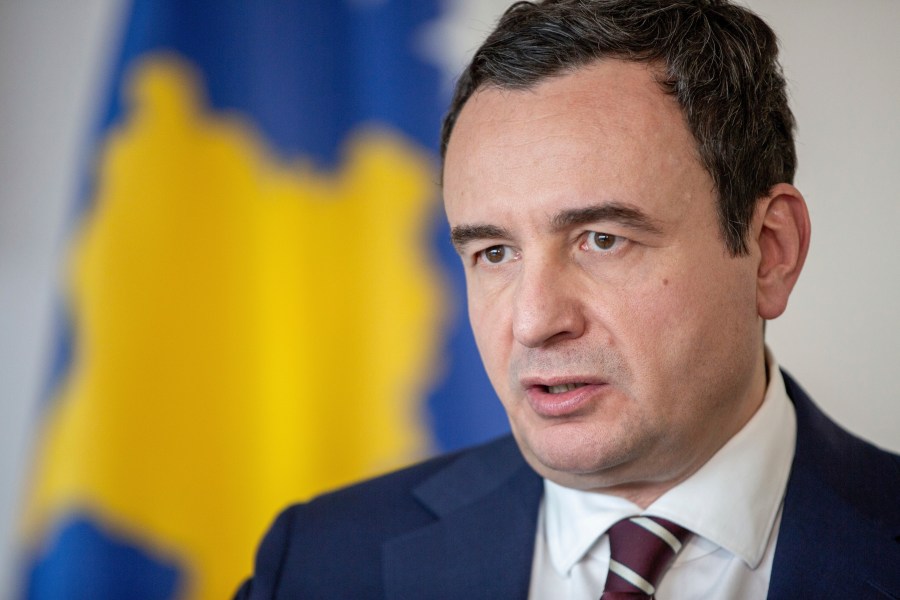
Kosovo is set to hold early elections following a failure by lawmakers to elect a new government on October 25, 2023. The vote came after a protracted political crisis that has left the small Balkan nation without a functioning administration for several months. Prime Minister-designate Glauk Konjufca, a member of the governing Self-Determination Movement, garnered only 56 votes in the country’s 120-member assembly, falling short of the majority needed for confirmation.
The political instability in Kosovo stems from divisions within the assembly, which have been exacerbated by ongoing tensions among major political parties. The inability to form a government reflects broader issues within the nation’s political landscape, characterized by fragmented representation and competing agendas.
In the wake of this latest setback, President Vjosa Osmani is expected to call for early elections, a decision that could reshape the political dynamics in Kosovo. This move comes as citizens express frustration over the prolonged deadlock and seek a resolution to the ongoing governance challenges.
Political analysts suggest that early elections may provide an opportunity for a fresh mandate and potentially stabilize the government, but they also warn of the risks involved. The upcoming polls will be crucial for determining how effectively the new government can address pressing issues such as economic development, social services, and international relations.
The failure to elect a government is not an isolated incident. Kosovo has faced numerous political challenges since declaring independence from Serbia in 2008, with frequent clashes among political factions. As the country navigates this turbulent period, the prospect of early elections raises questions about public sentiment and the potential for change.
In the meantime, the public’s patience appears to be waning. Citizens are increasingly vocal about their desire for a stable government that can tackle the issues affecting their daily lives. With the prospect of elections on the horizon, all eyes will be on how the political landscape evolves in the coming weeks and whether a new leadership can emerge to unite the fractured assembly.
The situation in Kosovo serves as a poignant reminder of the complexities of governance in emerging democracies, where political fragmentation can hinder progress. As the nation prepares for the possibility of early elections, the emphasis will be on forming a government that can effectively represent the diverse interests of its population while fostering stability and growth.

Debate Dynamics: Bregman and Haaland Gear Up for Gubernatorial Race

University of Arizona Identifies Key Immune Cell Linked to Fibrosis

Titans Lead 2026 NFL Draft Race, Raiders and Saints Lurk Behind

Delta A350 Diverts to Tokyo After Hydraulic Emergency Mid-Flight

Zacks Research Lowers Earnings Forecast for Avanos Medical

“All’s Fair Season 1 Episode 7 to Release on December 2, 2025”

Rolette Record Sold to Cando Editors, New Era Begins

Urgent Fire at Indigo Apartments in OKC Leaves Residents Shaken

Arlene Hartman Passes Away at 87, Leaving Lasting Legacy

New ‘Star Trek: Voyager’ Game Demo Released, Players Test Limits

Global Air Forces Ranked by Annual Defense Budgets in 2025

ALMA Discovers Companion Orbiting Giant Red Star π 1 Gruis

Mass Production of F-35 Fighter Jet Drives Down Costs

Electrification Challenges Demand Advanced Multiphysics Modeling

Gold Investment Surge: Top Mutual Funds and ETF Alternatives

Time Crystals Revolutionize Quantum Computing Potential

DirecTV to Launch AI-Driven Ads with User Likenesses in 2026

Freeport Art Gallery Transforms Waste into Creative Masterpieces
-
 Top Stories2 months ago
New ‘Star Trek: Voyager’ Game Demo Released, Players Test Limits
-
 World2 months ago
Global Air Forces Ranked by Annual Defense Budgets in 2025
-
 Science2 weeks ago
ALMA Discovers Companion Orbiting Giant Red Star π 1 Gruis
-
 World2 months ago
Mass Production of F-35 Fighter Jet Drives Down Costs
-
 World2 months ago
Electrification Challenges Demand Advanced Multiphysics Modeling
-
 Business2 months ago
Gold Investment Surge: Top Mutual Funds and ETF Alternatives
-
 Science2 months ago
Time Crystals Revolutionize Quantum Computing Potential
-
 Top Stories2 months ago
DirecTV to Launch AI-Driven Ads with User Likenesses in 2026
-
 Entertainment2 months ago
Freeport Art Gallery Transforms Waste into Creative Masterpieces
-

 Business2 months ago
US Government Denies Coal Lease Bid, Impacting Industry Revival Efforts
-

 Health2 months ago
Gavin Newsom Critiques Trump’s Health and National Guard Plans
-

 Lifestyle2 months ago
Discover Reese Witherspoon’s Chic Dining Room Style for Under $25