
Health
Up to 50,000 Nurses May Leave UK Over New Immigration Rules

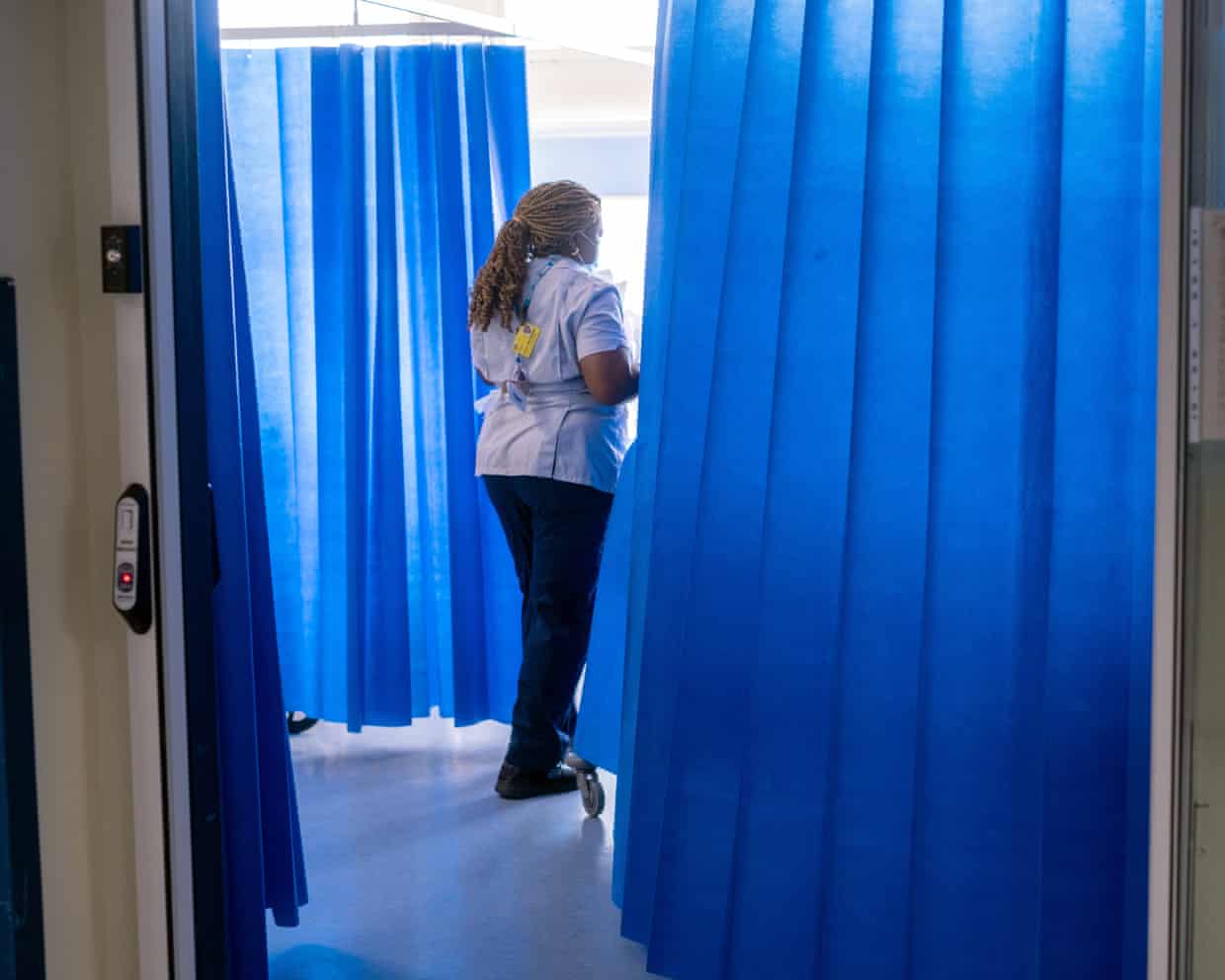
A recent survey indicates that up to 50,000 nurses could leave the UK due to the government’s proposed immigration changes. This potential exodus raises concerns about the NHS facing its most severe workforce crisis to date. The proposals, introduced by Keir Starmer, involve extending the time required for migrants to apply for settled status from five to ten years, alongside stricter skills and language requirements.
These immigration changes are perceived as a political maneuver to address the rising influence of Nigel Farage and his Reform UK party. A public consultation on the proposals is expected to take place soon. Nursing leaders have criticized the plans, describing them as “immoral” and accusing the government of using skilled migrants as “political footballs.” They warn that a mass departure of nurses could jeopardize patient safety and undermine efforts to reduce waiting times for treatment.
The Royal College of Nursing (RCN) conducted a survey involving over 5,000 migrant nursing staff, revealing significant distress among foreign NHS and social care employees. Currently, more than 200,000 internationally educated nurses comprise approximately 25% of the UK’s total nursing workforce of 794,000. The proposed changes to indefinite leave to remain (ILR) have alarmed many, prompting a reassessment of their future in the UK.
The survey found that nearly 10% of all nursing staff could be affected by the new rules. Since 2021, about 76,876 foreign workers have received visas that would allow them to gain settled status after five years. The government’s plans to double this period have created uncertainty for these individuals. Among the RCN survey respondents, 60% of those lacking ILR indicated that the changes were “very likely” to influence their decision to remain in the UK, suggesting that over 46,000 could leave permanently.
Prof Nicola Ranger, General Secretary and Chief Executive of the RCN, emphasized the dangers the proposals present. “These proposals are not just immoral; they would be dangerous for our patients. No minister who has any interest in the success of our health and social care system would press ahead with extending the qualifying period for ILR,” she stated. Ranger urged the government to reconsider the plans, warning that they could exacerbate the NHS workforce crisis, threaten patient safety, and hinder efforts to reduce treatment waiting times.
Ranger further highlighted the betrayal of migrant nursing staff, many of whom arrived in the UK during the Covid-19 pandemic, often at great personal sacrifice. “This is no way to repay them,” she said. Migrant staff without ILR face challenges in job mobility, as their visas tie them to specific employers, leading to potential exploitation in the social care sector. Moreover, without ILR, these staff members cannot access state support such as child benefits and disability payments for a decade, despite contributing taxes.
The RCN’s survey revealed that 53% of migrant nurses expressed extreme concern about their financial security, while 52% were worried about the impact on their families, and 49% about their career prospects. The proposed changes could deter future foreign workers from coming to the UK. Only 11% of respondents indicated they would have still migrated had the pathway to settlement been extended to ten years.
The current fee for applying for ILR remains at £3,029 per person, despite an estimated processing cost of £523. This fee has increased significantly from just £155 in 2003.
In response to the backlash, a government spokesperson acknowledged the contributions of overseas healthcare workers but emphasized the need to reduce net migration. “As the Home Secretary has set out, under our proposed new settlement model, individuals will have the opportunity to reduce the qualifying period to settlement and citizenship based on contributions to the UK economy and society,” the spokesperson stated. They encouraged health and care workers to participate in the upcoming consultation.
The government’s immigration proposals are set to spark a critical debate on the balance between immigration control and the need for skilled workers in essential services such as healthcare. As the situation develops, the future of thousands of nurses and the integrity of the NHS hangs in the balance.

Urgent Tips for Holiday Gifts: Boost Coworker Bonds Right Now

Dallas Pension Vote Sparks Outrage Among First Responders

Urgent: Winter Weather Advisory Issued for South Central PA

ECB Confirms Current Interest Rates Are Appropriate as Year Ends

Debate Dynamics: Bregman and Haaland Gear Up for Gubernatorial Race

University of Arizona Identifies Key Immune Cell Linked to Fibrosis

Titans Lead 2026 NFL Draft Race, Raiders and Saints Lurk Behind

Delta A350 Diverts to Tokyo After Hydraulic Emergency Mid-Flight

Zacks Research Lowers Earnings Forecast for Avanos Medical

New ‘Star Trek: Voyager’ Game Demo Released, Players Test Limits

Global Air Forces Ranked by Annual Defense Budgets in 2025

ALMA Discovers Companion Orbiting Giant Red Star π 1 Gruis

Mass Production of F-35 Fighter Jet Drives Down Costs

Electrification Challenges Demand Advanced Multiphysics Modeling

Gold Investment Surge: Top Mutual Funds and ETF Alternatives

Time Crystals Revolutionize Quantum Computing Potential

DirecTV to Launch AI-Driven Ads with User Likenesses in 2026

Freeport Art Gallery Transforms Waste into Creative Masterpieces
-
 Top Stories2 months ago
New ‘Star Trek: Voyager’ Game Demo Released, Players Test Limits
-
 World2 months ago
Global Air Forces Ranked by Annual Defense Budgets in 2025
-
 Science2 weeks ago
ALMA Discovers Companion Orbiting Giant Red Star π 1 Gruis
-
 World2 months ago
Mass Production of F-35 Fighter Jet Drives Down Costs
-
 World2 months ago
Electrification Challenges Demand Advanced Multiphysics Modeling
-
 Business2 months ago
Gold Investment Surge: Top Mutual Funds and ETF Alternatives
-
 Science2 months ago
Time Crystals Revolutionize Quantum Computing Potential
-
 Top Stories2 months ago
DirecTV to Launch AI-Driven Ads with User Likenesses in 2026
-
 Entertainment2 months ago
Freeport Art Gallery Transforms Waste into Creative Masterpieces
-

 Business2 months ago
US Government Denies Coal Lease Bid, Impacting Industry Revival Efforts
-

 Health2 months ago
Gavin Newsom Critiques Trump’s Health and National Guard Plans
-

 Lifestyle2 months ago
Discover Reese Witherspoon’s Chic Dining Room Style for Under $25