
World
McDonnell Douglas MD-11 Faces Scrutiny After UPS Crash

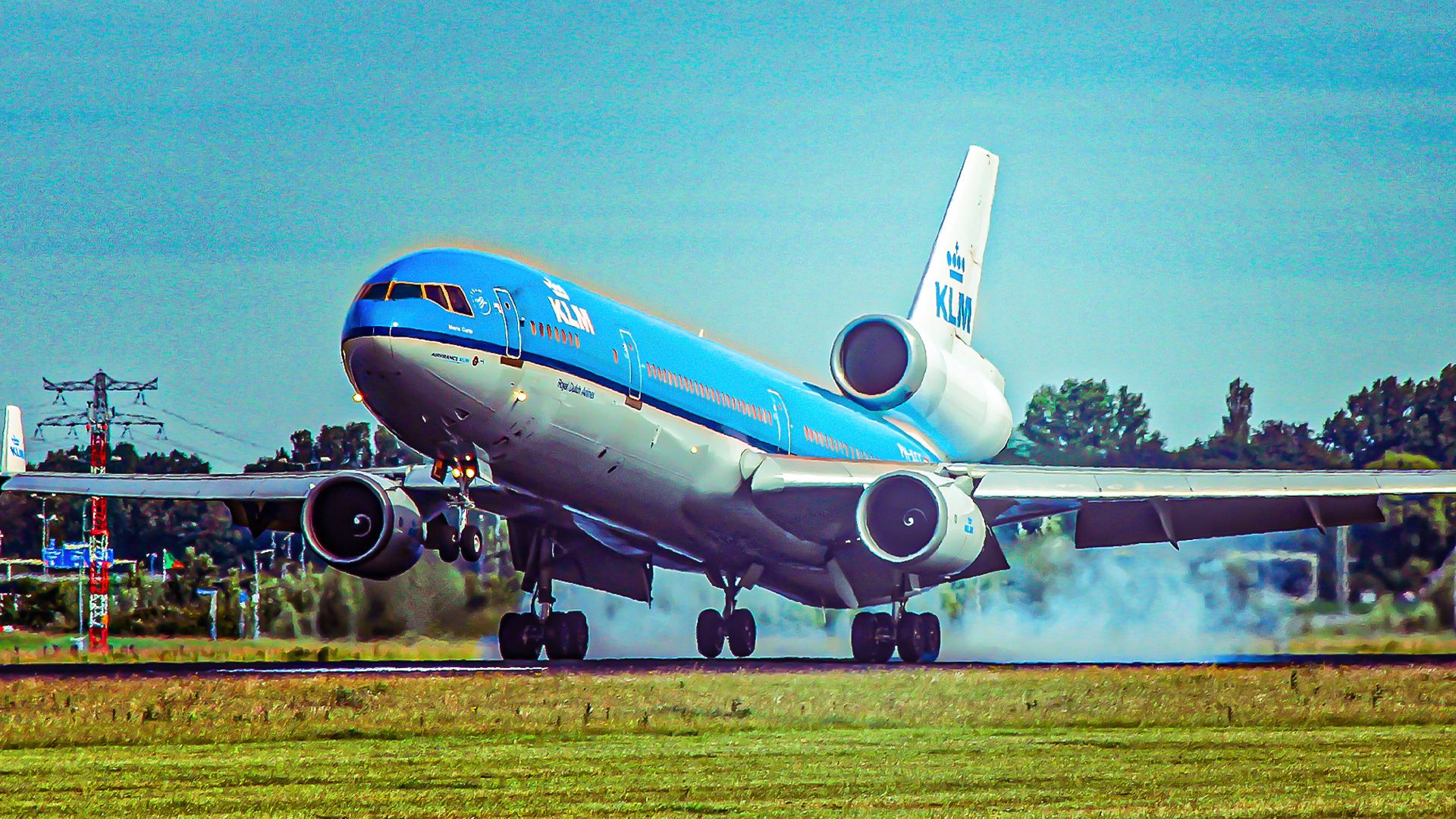
The McDonnell Douglas MD-11 cargo aircraft has come under renewed scrutiny after a tragic incident involving UPS Airlines in Louisville, Kentucky, on November 4, 2023. The freighter crashed shortly after takeoff, reigniting concerns about the jet’s safety record and handling characteristics. While the MD-11 originally served as a passenger aircraft, its operational history has been marred by issues that have led to its decline in commercial aviation.
Despite its initial promise, the MD-11 quickly gained a reputation for rough handling and poor performance. Pilots reported a high rate of hard landings, significantly more than competing aircraft. The design flaws in the MD-11 contributed to its notorious nickname, “Scud,” reflecting its unpredictable landing behavior akin to an uncontrolled missile. Such characteristics raised serious concerns about the aircraft’s safety and reliability, particularly during landing maneuvers.
Handling Challenges and Safety Concerns
The MD-11’s handling issues stem from a combination of its aerodynamics and weight distribution. According to the National Transportation Safety Board (NTSB), the aircraft has the highest rate of hard landings among 27 large Western-built aircraft types, with a staggering 5.63 hard landings per million flight cycles, as reported by Safe Fly Aviation. This alarming statistic highlights the aircraft’s tendency to bounce during landings, a trait that has been linked to several mishaps over the years.
A particularly notable incident occurred in 2010 when a Lufthansa Cargo MD-11F experienced a severe bounce upon landing at King Khalid International Airport in Riyadh, resulting in significant fuselage damage. Fortunately, the pilots survived, prompting an investigation by the General Authority of Civil Aviation of Saudi Arabia and the NTSB. This incident catalyzed recommendations for improved pilot training focused on managing the aircraft’s unique landing characteristics.
The NTSB’s findings have led to calls for revisions in the Federal Aviation Administration (FAA)‘s pilot training curriculum for the MD-11. These recommendations stress the importance of awareness concerning high sink rates during landing and proper techniques to manage excessive descent speeds.
The Decline of the MD-11 in Commercial Aviation
Despite being a stretched derivative of the DC-10 with expected improvements in fuel efficiency and performance, the MD-11 failed to meet operator expectations. Airlines such as Singapore Airlines and American Airlines quickly reassessed their commitment to the aircraft, with the latter selling their fleet to FedEx shortly after acquiring them. The final commercial flight of the MD-11 occurred in 2014 when KLM retired its last passenger-configured model.
The aircraft’s production ceased in 2001, following the merger of Boeing and McDonnell Douglas, as Boeing sought to eliminate internal competition with its successful Boeing 777 program. Over time, many passenger-configured MD-11s were converted for cargo operations. Today, although the MD-11F remains a staple in the freight industry, the operational challenges associated with its design have led to many operators phasing out their fleets in favor of more modern aircraft, such as the Airbus A330 and the Boeing 767.
The recent UPS crash has reignited concerns about the MD-11’s safety, particularly given that the aircraft involved was approximately 34 years old. UPS continues to operate a fleet of MD-11Fs, which includes the last airframe of the type ever produced. The airline has been planning to transition to the Boeing 767-300F as part of its modernization efforts.
As investigations into the UPS incident continue, the aviation community awaits clarity on the factors contributing to the crash. With the global freighter fleet averaging nearly 40 years of service before retirement, the longevity of these older aircraft raises questions about their safety and operational viability.
The crash of the UPS MD-11F serves as a stark reminder of the challenges faced by older aircraft in a rapidly evolving industry. As airlines assess the future of their fleets, the MD-11’s legacy may soon come to an end. Following this incident, extensive maintenance and inspection efforts will likely be required to ensure the safety of remaining aircraft. With a limited number of MD-11s still flying, the potential for retirement looms large, signaling a significant shift in the landscape of air cargo operations.

Lago Vista Issues Urgent Water Conservation Notice Amid Plant Failure

Urgent: Man Shot Dead in SoMa Near Civic Center in Midnight Attack

Study Links Hormone-Disrupting Chemicals to Skin Inflammation

Cape Cod Estate Near Kennedy Compound Hits Market at $21.5 Million

Trump’s Doctor Details MRI Findings from Annual Physical Exam

SpaceX Prepares for 60th Falcon 9 Launch from Vandenberg SFB

Giants Face Patriots in Key Monday Night Clash

Pakistan Petroleum Plans Artificial Island for Offshore Oil Production

Trump Urges Support in Crucial GOP Race Amid Polling Alarm

New ‘Star Trek: Voyager’ Game Demo Released, Players Test Limits

Global Air Forces Ranked by Annual Defense Budgets in 2025

ALMA Discovers Companion Orbiting Giant Red Star π 1 Gruis

Mass Production of F-35 Fighter Jet Drives Down Costs

Electrification Challenges Demand Advanced Multiphysics Modeling

Gold Investment Surge: Top Mutual Funds and ETF Alternatives

Time Crystals Revolutionize Quantum Computing Potential

DirecTV to Launch AI-Driven Ads with User Likenesses in 2026

Freeport Art Gallery Transforms Waste into Creative Masterpieces
-
 Top Stories2 months ago
New ‘Star Trek: Voyager’ Game Demo Released, Players Test Limits
-
 World2 months ago
Global Air Forces Ranked by Annual Defense Budgets in 2025
-
 Science2 weeks ago
ALMA Discovers Companion Orbiting Giant Red Star π 1 Gruis
-
 World2 months ago
Mass Production of F-35 Fighter Jet Drives Down Costs
-
 World2 months ago
Electrification Challenges Demand Advanced Multiphysics Modeling
-
 Business2 months ago
Gold Investment Surge: Top Mutual Funds and ETF Alternatives
-
 Science2 months ago
Time Crystals Revolutionize Quantum Computing Potential
-
 Top Stories2 months ago
DirecTV to Launch AI-Driven Ads with User Likenesses in 2026
-
 Entertainment2 months ago
Freeport Art Gallery Transforms Waste into Creative Masterpieces
-

 Business2 months ago
US Government Denies Coal Lease Bid, Impacting Industry Revival Efforts
-

 Politics1 month ago
SEVENTEEN’s Mingyu Faces Backlash Over Alcohol Incident at Concert
-

 Health2 months ago
Gavin Newsom Critiques Trump’s Health and National Guard Plans