
Lifestyle
Readers Push for Revival of Classic Home Design Features

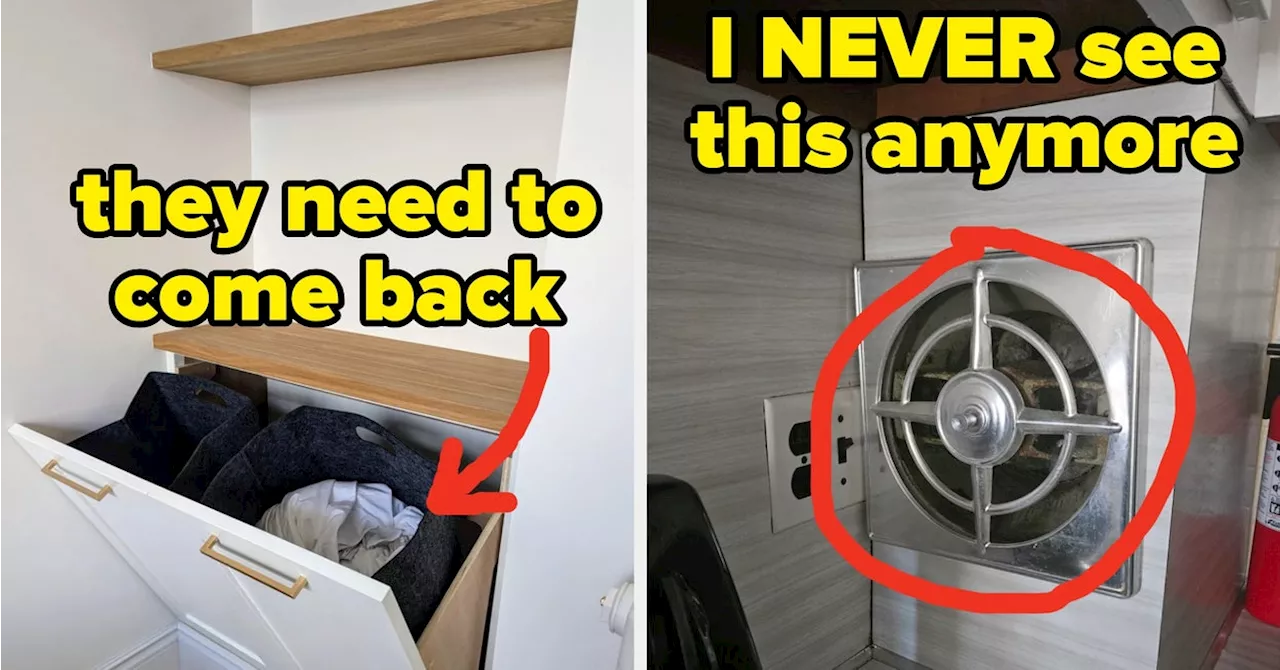
Homeowners are expressing a longing for classic home design features that they believe offer superior functionality compared to many modern trends. Through social media discussions, readers have highlighted a range of “outdated” design elements they wish would make a comeback, including built-in clothes hampers, Formica countertops, and dedicated laundry rooms.
Many enthusiasts argue that these older features provide practical benefits that align better with everyday living. For example, a user shared their preference for built-in clothes hampers, stating, “Just toss your dirty clothes in before your shower. Plus, it doesn’t take up floor space or have to get moved for mopping.” Such sentiments resonate with those who prioritize convenience in their home environments.
Classic Features Regaining Popularity
Formica countertops have emerged as a focal point in this conversation. Supporters advocate for their return, citing practicality and cost-effectiveness. A reader noted, “While new stone tops are beautiful, they are expensive, and some require maintenance to keep them food-safe. Formica is inexpensive, easy to clean, and requires no maintenance.” This perspective highlights a growing frustration with the high costs associated with modern materials and the need for more accessible options.
The trend towards open-concept living spaces has also drawn criticism. Many users recall the charm of homes where rooms were distinctly separated, allowing for privacy and a more organized living experience. One participant stated, “Bring back kitchens, living rooms, and dens/family rooms separated by walls and doors.” Such preferences reflect a desire for spaces that serve specific functions without visual clutter.
Additionally, the demand for dedicated laundry rooms has resurfaced. A reader reminisced about their previous home’s practical layout, which included a mudroom leading to a laundry area. “It was easy to remove dirty clothes and put them in the washing machine,” they stated. This highlights a common theme: homeowners seek utility and ease in their living spaces.
Embracing Functionality Over Luxury
The conversation also touched on the design of bathrooms, with many expressing a preference for smaller, more manageable showers. “These HUGE showers are drafty, cold, and ridiculous to clean,” one commenter remarked, advocating for a return to more practical sizes that prioritize ease of use.
Moreover, the nostalgia for traditional elements like wood-burning fireplaces and walk-in pantries is apparent. Readers miss features that not only offer warmth and comfort but also serve practical purposes. One enthusiast noted, “Old farmhouses had pantries off the kitchen with a plethora of space to store canned and dried goods.” The simplicity of these designs resonates with those who value function over aesthetics.
Storage solutions also emerged as a key topic in these discussions. Many participants emphasized the importance of built-in storage, such as closets and drawers, as a means to reduce clutter. One user reflected on their childhood home, which featured practical storage solutions that catered to everyday living.
As the dialogue continues, it is clear that many homeowners are advocating for a thoughtful blend of classic and modern design elements. They call for features that enhance functionality and ease of living, rather than simply prioritizing luxury.
Ultimately, the desire for a return to these “outdated” trends underscores a broader conversation about the importance of practicality in home design. As readers continue to share their preferences, it remains to be seen how these sentiments might influence future design choices in the housing market.

Trump Issues Ultimatum to Maduro; Venezuela Closes Airspace

Evanescence Announces 2026 World Tour, Bay Area Date Set!

World CopperSmith and Anna Dinger Unveil Stunning Kitchen Renovation

Fever’s Candlelight Concerts Offer Up to 30% Off for Cyber Monday

Prepare for Tooth Extraction: Key Steps for a Smooth Process

Thomas University Celebrates New Inductees into Beta Beta Beta Honor Society

NYPD Officer Accidentally Maced During Immigration Protests in NYC

Macaque Monkeys Prove They Can Tap to the Beat of Music

Wentzville Launches Urgent Initiative for Smart Waste Disposal

New ‘Star Trek: Voyager’ Game Demo Released, Players Test Limits

Global Air Forces Ranked by Annual Defense Budgets in 2025

ALMA Discovers Companion Orbiting Giant Red Star π 1 Gruis

Mass Production of F-35 Fighter Jet Drives Down Costs

Electrification Challenges Demand Advanced Multiphysics Modeling

Gold Investment Surge: Top Mutual Funds and ETF Alternatives

Time Crystals Revolutionize Quantum Computing Potential

DirecTV to Launch AI-Driven Ads with User Likenesses in 2026

Freeport Art Gallery Transforms Waste into Creative Masterpieces
-
 Top Stories2 months ago
New ‘Star Trek: Voyager’ Game Demo Released, Players Test Limits
-
 World2 months ago
Global Air Forces Ranked by Annual Defense Budgets in 2025
-
 Science2 weeks ago
ALMA Discovers Companion Orbiting Giant Red Star π 1 Gruis
-
 World2 months ago
Mass Production of F-35 Fighter Jet Drives Down Costs
-
 World2 months ago
Electrification Challenges Demand Advanced Multiphysics Modeling
-
 Business2 months ago
Gold Investment Surge: Top Mutual Funds and ETF Alternatives
-
 Science2 months ago
Time Crystals Revolutionize Quantum Computing Potential
-
 Top Stories2 months ago
DirecTV to Launch AI-Driven Ads with User Likenesses in 2026
-
 Entertainment2 months ago
Freeport Art Gallery Transforms Waste into Creative Masterpieces
-

 Business2 months ago
US Government Denies Coal Lease Bid, Impacting Industry Revival Efforts
-

 Health2 months ago
Gavin Newsom Critiques Trump’s Health and National Guard Plans
-

 Politics1 month ago
SEVENTEEN’s Mingyu Faces Backlash Over Alcohol Incident at Concert