
World
NASA’s X-43: The Pinnacle of Hypersonic Flight Achievements

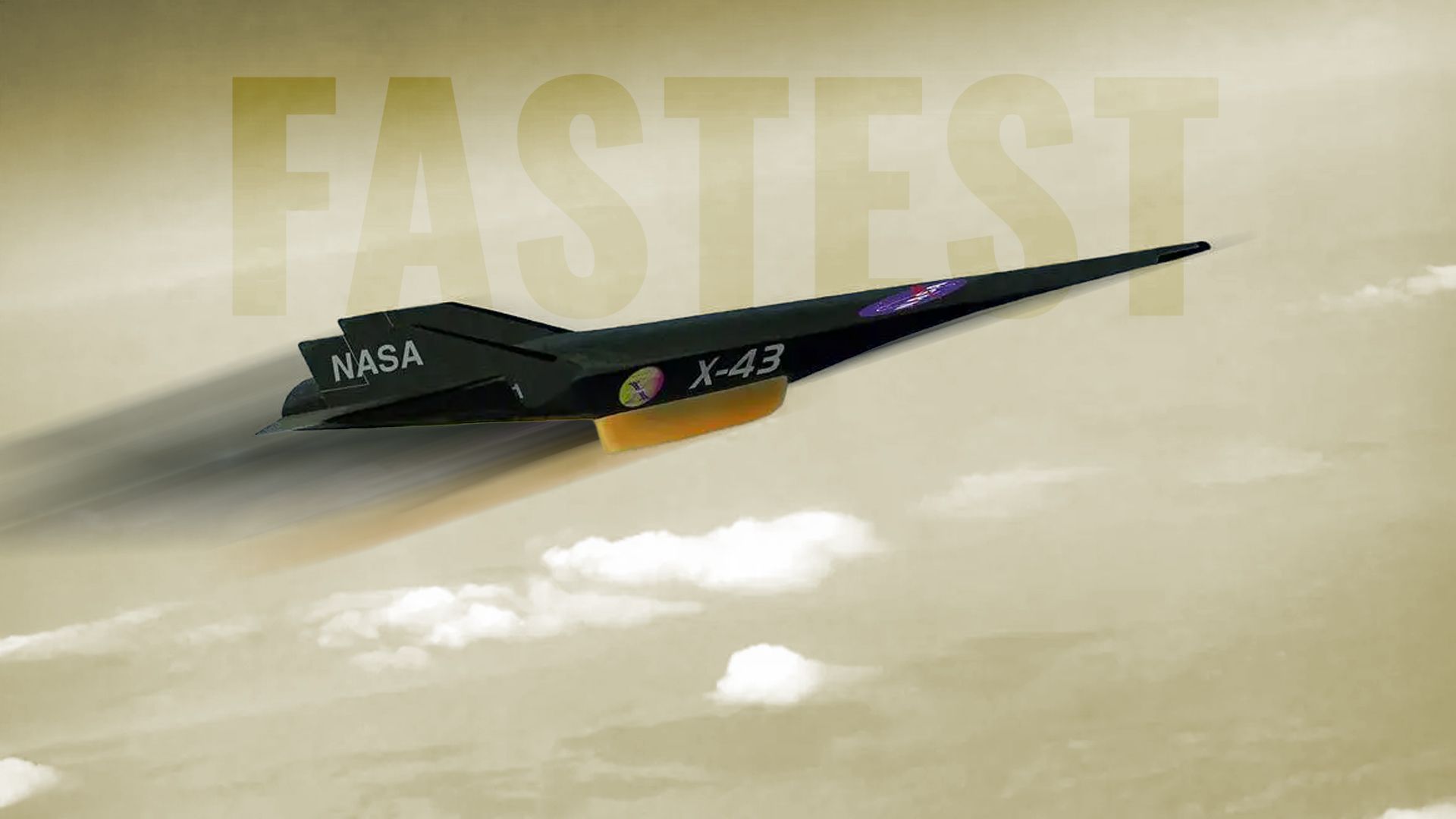
The NASA X-43 remains the fastest air-breathing vehicle ever constructed, achieving remarkable speeds during its limited flight tests. Developed as part of a high-risk, high-reward program, the X-43 exemplified the challenges and potential of hypersonic flight. It flew successfully twice, reaching speeds close to Mach 10 during its tests. This groundbreaking aircraft was designed to push the boundaries of aviation technology and pave the way for future innovations.
The X-43 is an experimental unmanned hypersonic vehicle measuring 12 feet in length and designed for single-use. Launched from a B-52 Superfortress, it utilized a unique scramjet engine to achieve its maximum speed, reaching Mach 9.6 on its second flight on November 16, 2004. Only three units were produced, with two successfully completing flights. The program, which ran for eight years, had a budget of approximately $230 million and was a pioneering effort in hypersonic technology.
Understanding Scramjet Technology
Scramjets, or supersonic combustion ramjets, differ significantly from traditional rocket engines. Unlike rockets, which carry their own oxidizer, scramjets utilize atmospheric oxygen, making them lighter and more efficient. This technology opens up possibilities for hypersonic missiles and advanced flight systems. NASA describes scramjets as offering more airplane-like operations, enhancing affordability and safety for ultra-high-speed atmospheric flights.
A challenge with scramjets is that they require an initial high speed to function effectively. They operate at speeds above Mach 5, with the potential to reach speeds up to Mach 15. The X-43 program aimed to explore these capabilities, marking a significant milestone in aerospace engineering.
The first flight of the X-43 occurred on June 2, 2001, but it ended in failure due to a booster malfunction. After addressing the issues, NASA successfully conducted two subsequent flights in 2004, both of which set speed records. The first successful flight on March 27, 2004, reached Mach 6.8, while the second flight pushed the boundaries further, achieving Mach 9.6.
The Legacy of the X-43 and Future Developments
While the X-43 holds the title for the fastest air-breathing vehicle, it is important to note that the North American X-15, a manned rocket plane, retains the record for the fastest piloted flight at Mach 6.7. The X-15 program, which took place in the 1960s, contributed significantly to space exploration, with notable pilots, including Neil Armstrong, flying its missions.
Currently, several countries are racing to develop their hypersonic technologies. Hypersonix, an Australian startup, is collaborating with NASA to create a hypersonic vehicle powered by hydrogen fuel, aiming for a maximum speed of Mach 12. As the demand for advanced hypersonic capabilities grows, private companies and military branches are investing heavily in this technology.
The development of scramjet technology is expected to revolutionize aerospace transportation, leading to new military applications and, eventually, commercial passenger travel. The ongoing advancements in hypersonic flight highlight a significant shift in aerospace engineering, with the potential for groundbreaking applications in both defense and civilian sectors.
As nations strive for dominance in hypersonic technology, the legacy of the X-43 serves as a reminder of the innovative spirit of aerospace exploration. The future of flight may very well depend on the lessons learned from this remarkable aircraft.

Virginia Tech Struggles in Loss to No. 17 Virginia: Key Insights

Oxford University Press Declares “Rage Bait” Word of the Year 2025

GEEKOM Launches GeekBook X14 Pro: The Lightest Windows Laptop

Aquarius Faces Introspection and Growth in December 2025

Alarming Rise in Invasive Breast Cancer Cases Among Younger Women

Urgent Update: NYC’s Next Mayor Number in Question, Historians Say

Urgent Update: Indulge in Homemade Ding Dong Cake Recipe Today

Eurozone Manufacturing PMI Plunges to 49.6 in November, Urgent Update

Im Si Wan’s New Photos Spark Heated Debate Online

New ‘Star Trek: Voyager’ Game Demo Released, Players Test Limits

Global Air Forces Ranked by Annual Defense Budgets in 2025

ALMA Discovers Companion Orbiting Giant Red Star π 1 Gruis

Mass Production of F-35 Fighter Jet Drives Down Costs

Electrification Challenges Demand Advanced Multiphysics Modeling

Gold Investment Surge: Top Mutual Funds and ETF Alternatives

Time Crystals Revolutionize Quantum Computing Potential

DirecTV to Launch AI-Driven Ads with User Likenesses in 2026

Freeport Art Gallery Transforms Waste into Creative Masterpieces
-
 Top Stories2 months ago
New ‘Star Trek: Voyager’ Game Demo Released, Players Test Limits
-
 World2 months ago
Global Air Forces Ranked by Annual Defense Budgets in 2025
-
 Science2 weeks ago
ALMA Discovers Companion Orbiting Giant Red Star π 1 Gruis
-
 World2 months ago
Mass Production of F-35 Fighter Jet Drives Down Costs
-
 World2 months ago
Electrification Challenges Demand Advanced Multiphysics Modeling
-
 Business2 months ago
Gold Investment Surge: Top Mutual Funds and ETF Alternatives
-
 Science2 months ago
Time Crystals Revolutionize Quantum Computing Potential
-
 Top Stories2 months ago
DirecTV to Launch AI-Driven Ads with User Likenesses in 2026
-
 Entertainment2 months ago
Freeport Art Gallery Transforms Waste into Creative Masterpieces
-

 Business2 months ago
US Government Denies Coal Lease Bid, Impacting Industry Revival Efforts
-

 Health2 months ago
Gavin Newsom Critiques Trump’s Health and National Guard Plans
-

 Lifestyle2 months ago
Discover Reese Witherspoon’s Chic Dining Room Style for Under $25