
Politics
New Senate Bill Could Transform Maine’s Border Lands for Outdoor Enthusiasts

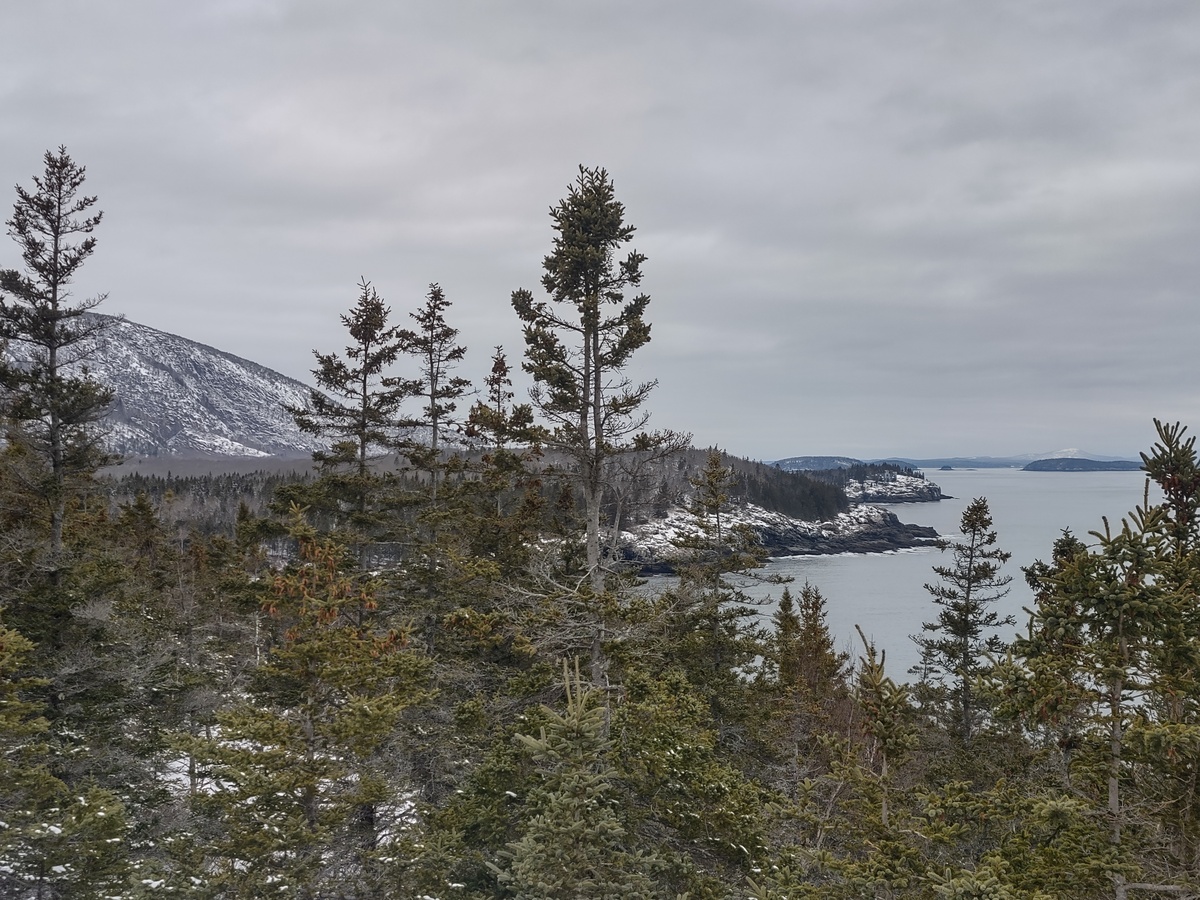
A new piece of legislation, known informally as the “Big Brother Bill,” has been introduced to the U.S. Senate, potentially impacting how Mainers enjoy their public lands. Officially titled Senate Bill 2967 and introduced by Sen. Mike Lee of Utah on October 2, 2023, the bill aims to enhance border security along the U.S. northern and southern borders. This could have significant implications for outdoor activities such as hunting, fishing, and hiking.
The proposed legislation grants the Department of Homeland Security and federal land management agencies the authority to build infrastructure, including roads, barriers, and surveillance equipment, on federal lands that directly border Canada or Mexico. It also permits the use of vehicles and aircraft for enforcement purposes in these areas. Furthermore, the bill mandates federal agencies to conduct inventories of roads and trails and report their findings to Congress on both environmental and visitor impacts.
While Maine shares a border with Canada, only federal lands that physically touch this international boundary would be affected by the bill. This primarily includes parts of the Moosehorn National Wildlife Refuge, which directly abuts the border. Popular recreational areas such as Acadia National Park and Katahdin Woods and Waters National Monument do not fall under the bill’s jurisdiction, as they do not share a border with Canada.
Despite the concerns raised, the bill does not explicitly restrict hunting, fishing, or other recreational activities on these lands. However, outdoor enthusiasts may notice increased traffic, surveillance measures, and potentially restricted areas, which could affect their experiences in nature.
The American Hunters & Anglers Action Network (AHA) has publicly criticized the bill, claiming it would “weaponize” all federal lands within a 100-mile radius of the border, suggesting that it would allow for covert monitoring of law-abiding citizens engaged in outdoor activities. While the AHA’s statement reflects their interpretation of the bill’s potential impact, the legislation specifically applies only to lands directly adjoining the border.
As of now, Senate Bill 2967 has been referred to the Senate Energy and Natural Resources Committee and has yet to be scheduled for hearings or a vote. Eight Republican senators are currently listed as cosponsors of the bill. There are no immediate changes expected for Maine’s public lands, and any further actions regarding the bill could take months or longer.
For outdoor enthusiasts in Maine, the implications of this legislation could mean increased infrastructure and monitoring on border-adjacent lands such as Moosehorn. Although access to these areas remains legal, keeping track of the bill’s progress is essential for those who value their wilderness experiences.

Debate Dynamics: Bregman and Haaland Gear Up for Gubernatorial Race

University of Arizona Identifies Key Immune Cell Linked to Fibrosis

Titans Lead 2026 NFL Draft Race, Raiders and Saints Lurk Behind

Delta A350 Diverts to Tokyo After Hydraulic Emergency Mid-Flight

Zacks Research Lowers Earnings Forecast for Avanos Medical

“All’s Fair Season 1 Episode 7 to Release on December 2, 2025”

Rolette Record Sold to Cando Editors, New Era Begins

Urgent Fire at Indigo Apartments in OKC Leaves Residents Shaken

Arlene Hartman Passes Away at 87, Leaving Lasting Legacy

New ‘Star Trek: Voyager’ Game Demo Released, Players Test Limits

Global Air Forces Ranked by Annual Defense Budgets in 2025

ALMA Discovers Companion Orbiting Giant Red Star π 1 Gruis

Mass Production of F-35 Fighter Jet Drives Down Costs

Electrification Challenges Demand Advanced Multiphysics Modeling

Gold Investment Surge: Top Mutual Funds and ETF Alternatives

Time Crystals Revolutionize Quantum Computing Potential

DirecTV to Launch AI-Driven Ads with User Likenesses in 2026

Freeport Art Gallery Transforms Waste into Creative Masterpieces
-
 Top Stories2 months ago
New ‘Star Trek: Voyager’ Game Demo Released, Players Test Limits
-
 World2 months ago
Global Air Forces Ranked by Annual Defense Budgets in 2025
-
 Science2 weeks ago
ALMA Discovers Companion Orbiting Giant Red Star π 1 Gruis
-
 World2 months ago
Mass Production of F-35 Fighter Jet Drives Down Costs
-
 World2 months ago
Electrification Challenges Demand Advanced Multiphysics Modeling
-
 Business2 months ago
Gold Investment Surge: Top Mutual Funds and ETF Alternatives
-
 Science2 months ago
Time Crystals Revolutionize Quantum Computing Potential
-
 Top Stories2 months ago
DirecTV to Launch AI-Driven Ads with User Likenesses in 2026
-
 Entertainment2 months ago
Freeport Art Gallery Transforms Waste into Creative Masterpieces
-

 Business2 months ago
US Government Denies Coal Lease Bid, Impacting Industry Revival Efforts
-

 Health2 months ago
Gavin Newsom Critiques Trump’s Health and National Guard Plans
-

 Lifestyle2 months ago
Discover Reese Witherspoon’s Chic Dining Room Style for Under $25