
World
Study Reveals Gaps in TBI Research for Special Operations Forces

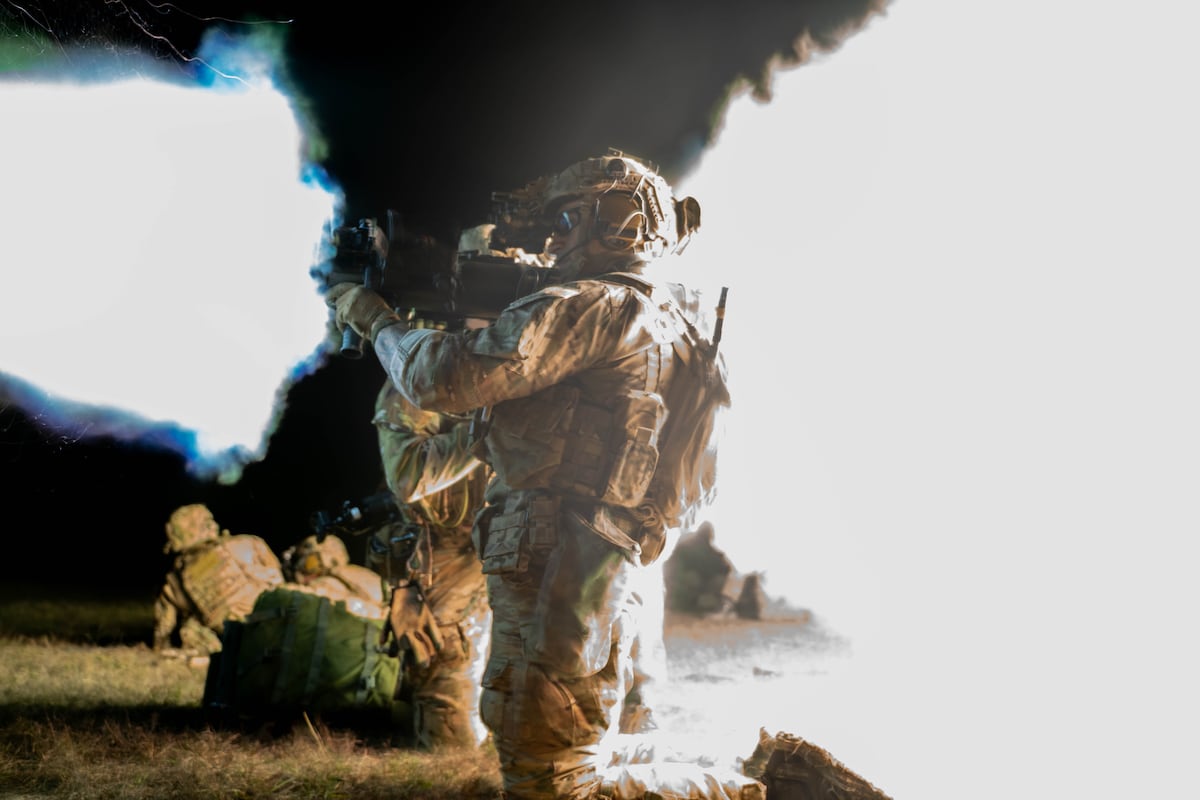
Research conducted by the Rand Corporation highlights a significant gap in the understanding of traumatic brain injuries (TBI) affecting special operations forces (SOF). This study, published earlier this month, finds that despite the higher risks posed by blast exposure, there is a notable lack of focused research on this specific military population.
The report indicates that SOF personnel are subjected to elevated levels of blast exposure and repetitive neurological stress during both combat and training, yet only a small fraction of TBI research addresses their unique circumstances. Out of 480 studies reviewed from 2015 to 2025, the report reveals that just seven papers concentrated solely on SOF, with another 14 including them within mixed samples. The majority of research has primarily examined Army and Marine Corps personnel.
Widespread Neglect in TBI Research
The findings also indicate a broader neglect in TBI research across various military branches, including airmen, sailors, National Guard troops, and reservists, despite these groups facing high risks of injury. Since 2000, over 500,000 personnel have been diagnosed with service-related TBIs, according to the U.S. Department of Defense. The report estimates that more than $2.1 billion in federal and private funding has been allocated to TBI research since 2015.
Despite these investments, the Rand report points out significant shortcomings in existing studies. Many have prioritized diagnosing TBI rather than investigating the specific conditions that lead to these injuries. Factors such as the correlation between injury and blast pressure, soldier positioning, and the source of the blast—whether from breaching or shoulder-mounted artillery—remain underexplored.
Further supporting these concerns, a 2024 study from the University of South Florida found that repeated exposure to low-level blasts is linked to brain injury signs in special operations forces, highlighting the urgent need for targeted research in this area.
Challenges in Understanding and Treatment
The report also identifies a divide in TBI research between short- and long-term effects. Studies focusing on the immediate aftermath of TBI often describe general neurological symptoms such as pain, inflammation, and balance issues rather than providing specific diagnoses. In contrast, longer-term research delves into neurodegenerative conditions like Alzheimer’s disease and chronic traumatic encephalopathy (CTE), but lacks clarity on practical clinical outcomes.
Additionally, while there has been some examination of the relationship between TBI and comorbid conditions such as post-traumatic stress disorder (PTSD), sleep disorders, and other neurological issues, there is a noticeable lack of investigation into the links between TBI, substance abuse, and auditory or visual impairments.
The report underscores a critical absence of research into rehabilitation strategies for long-term care of TBI patients, which results in limited evidence-based recovery options. Despite a decade of research yielding some advancements in imaging techniques and biomarker identification, significant gaps remain in understanding and treating TBIs effectively.
The Rand Corporation report concludes that addressing these deficiencies is essential for improving prevention, diagnosis, treatment, and long-term recovery for service members and veterans. “Doing so is not simply a matter of scientific advancement,” the report states, emphasizing the need for enhanced support and care for those affected by TBI.

Shark Teeth Reveal Urgent Insights to Prevent Extinction Now

Englewood Church Members Rally After Thanksgiving Day Fire

Mayor Appoints Alan Wong as New District 4 Supervisor

UK Universities Embrace AI to Revolutionize Research Evaluation

Mikaela Shiffrin Claims 104th World Cup Victory at Copper Mountain

Trump Promises MRI Results Amid Uncertainty Over Scan Details

U.S. Investors Boost Canadian Energy Stocks Amid Low Oil Prices

Nick Jonas Unveils Solo Album ‘Sunday Best’ Set for February Release

Mayor Lurie Appoints Alan Wong as New District 4 Supervisor

New ‘Star Trek: Voyager’ Game Demo Released, Players Test Limits

Global Air Forces Ranked by Annual Defense Budgets in 2025

Mass Production of F-35 Fighter Jet Drives Down Costs

ALMA Discovers Companion Orbiting Giant Red Star π 1 Gruis

Electrification Challenges Demand Advanced Multiphysics Modeling

Gold Investment Surge: Top Mutual Funds and ETF Alternatives

Time Crystals Revolutionize Quantum Computing Potential

DirecTV to Launch AI-Driven Ads with User Likenesses in 2026

Freeport Art Gallery Transforms Waste into Creative Masterpieces
-
 Top Stories2 months ago
New ‘Star Trek: Voyager’ Game Demo Released, Players Test Limits
-
 World2 months ago
Global Air Forces Ranked by Annual Defense Budgets in 2025
-
 World2 months ago
Mass Production of F-35 Fighter Jet Drives Down Costs
-
 Science2 weeks ago
ALMA Discovers Companion Orbiting Giant Red Star π 1 Gruis
-
 World2 months ago
Electrification Challenges Demand Advanced Multiphysics Modeling
-
 Business2 months ago
Gold Investment Surge: Top Mutual Funds and ETF Alternatives
-
 Science2 months ago
Time Crystals Revolutionize Quantum Computing Potential
-
 Top Stories2 months ago
DirecTV to Launch AI-Driven Ads with User Likenesses in 2026
-
 Entertainment2 months ago
Freeport Art Gallery Transforms Waste into Creative Masterpieces
-

 Business2 months ago
US Government Denies Coal Lease Bid, Impacting Industry Revival Efforts
-

 Health1 month ago
Gavin Newsom Critiques Trump’s Health and National Guard Plans
-

 Lifestyle1 month ago
Discover Reese Witherspoon’s Chic Dining Room Style for Under $25