
Business
Dave Ramsey Guides Young Man to Overcome $35K Debt Challenge

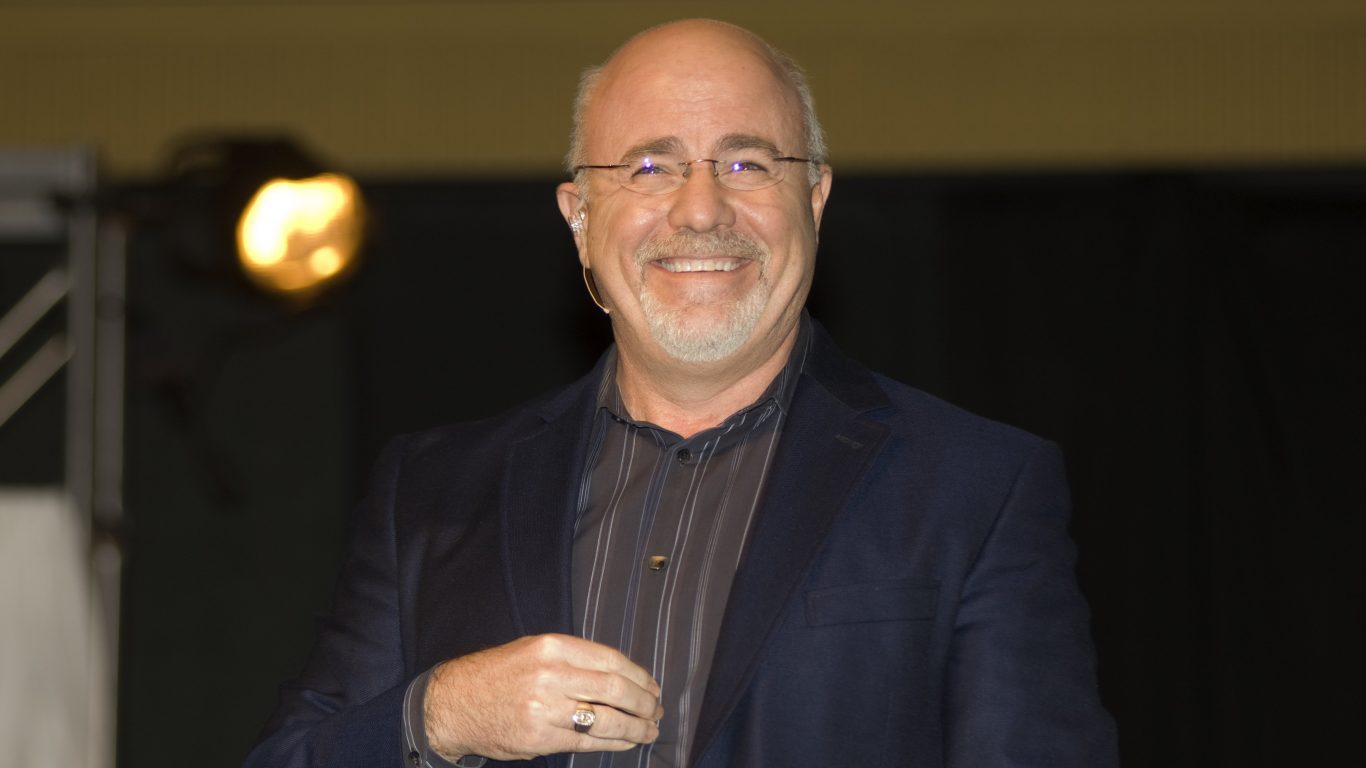
In a recent episode of The Dave Ramsey Show, host Dave Ramsey provided crucial financial advice to a 27-year-old caller named Michael, who is struggling under the weight of $35,000 in debt. Michael, who has guardianship of his 17-year-old brother, reached out for help, detailing his precarious financial situation as a commission-only door-to-door roofing salesman, earning between $3,000 and $3,500 monthly. With bills piling up and income fluctuating, Michael sought a way to regain control of his finances.
Ramsey quickly redirected Michael’s attention to his immediate needs. He emphasized the importance of prioritizing essential expenses, a strategy he refers to as the “four walls” concept. According to Ramsey, household necessities—food, utilities, shelter, and transportation—must be covered before tackling any debt repayments. With Michael’s monthly rent of $850 and basic living expenses accounted for, Ramsey suggested that he focus on paying off his smallest debts first, using any additional income to chip away at what he owed.
Recognizing the volatility of Michael’s commission-based income, Ramsey offered practical suggestions to stabilize his finances. He encouraged Michael to consider taking on a second job in a warehouse during the slow roofing season, stating, “One year of that, man, you’ll be celebrating your 29th birthday debt free.” This approach highlights Ramsey’s belief that focused, steady work can lead to better financial outcomes than relying solely on commission in a fluctuating market.
Assessing the Challenges of Commission-Only Work
While Ramsey’s advice offers a roadmap for immediate financial relief, Michael’s situation underscores the broader challenges associated with commission-only jobs, particularly during seasonal downturns. The inconsistent nature of his income makes it difficult to maintain a stable budget and consistently pay down debt. Although taking on extra work demonstrates determination, it may not provide the long-term solution Michael needs.
At 27, with a dependent teenager, Michael should consider seeking a salaried position that offers more predictable income and benefits. The feast-or-famine cycle of commission-based sales can lead to financial instability, and without a stable income, the cycle of debt can easily resume. Establishing a reliable income stream should take precedence over attempting to pay off debt aggressively.
Exploring Alternatives for Financial Stability
In addition to Ramsey’s practical advice, he highlighted a financial product that many individuals overlook: annuities. With traditional savings accounts yielding minimal returns and the bond market appearing less secure, annuities present an opportunity for guaranteed income. According to Ramsey, individuals can open a FastBreak annuity with a minimum contribution of $1,000, earning a guaranteed annual percentage yield (APY) of at least 5.0%.
Annuities allow for steady growth of funds while providing guaranteed income without the risks associated with the stock market. This option is particularly appealing for those seeking a straightforward method to secure income over a fixed period, typically ranging from three to ten years. The process to open an annuity is simple, and individuals have the flexibility to adjust their contributions within a specified timeframe.
Michael’s story serves as a reminder of the financial hurdles faced by many young adults, especially those suddenly thrust into unexpected responsibilities. As Ramsey aptly puts it, when survival becomes the default mode, debt can accumulate faster than solutions can be found. With targeted strategies and an understanding of available financial tools, individuals like Michael can pave the way toward a more secure, debt-free future.

Urgent Update: Winning Numbers for Nebraska Pick 5 Drawn Today

Kentucky Wildcats Suffer Crushing 94-59 Loss to Gonzaga

TXT’s “Good Boy Gone Bad” Surges Past 200 Million Streams on Spotify

John Cena’s Final Opponent Confirmed for Retirement Match

Magic Edge Heat 106-105 in Thrilling Finish; Banchero Returns

CU Buffs Volleyball Falls to Indiana in NCAA Tournament Shock

U.S. Military Boat Strikes Under Scrutiny; Legal Experts Call It War Crime

Families Can Cut Christmas Tree Costs with $1 BLM Permits

Oklahoma Woman Selected to Help Decorate White House for Christmas

ALMA Discovers Companion Orbiting Giant Red Star π 1 Gruis

New ‘Star Trek: Voyager’ Game Demo Released, Players Test Limits

Global Air Forces Ranked by Annual Defense Budgets in 2025

SEVENTEEN’s Mingyu Faces Backlash Over Alcohol Incident at Concert

Mass Production of F-35 Fighter Jet Drives Down Costs

Electrification Challenges Demand Advanced Multiphysics Modeling

Gold Investment Surge: Top Mutual Funds and ETF Alternatives

Time Crystals Revolutionize Quantum Computing Potential

DirecTV to Launch AI-Driven Ads with User Likenesses in 2026
-
 Science3 weeks ago
ALMA Discovers Companion Orbiting Giant Red Star π 1 Gruis
-
 Top Stories2 months ago
New ‘Star Trek: Voyager’ Game Demo Released, Players Test Limits
-
 World2 months ago
Global Air Forces Ranked by Annual Defense Budgets in 2025
-
 Politics1 month ago
SEVENTEEN’s Mingyu Faces Backlash Over Alcohol Incident at Concert
-
 World2 months ago
Mass Production of F-35 Fighter Jet Drives Down Costs
-
 World2 months ago
Electrification Challenges Demand Advanced Multiphysics Modeling
-
 Business2 months ago
Gold Investment Surge: Top Mutual Funds and ETF Alternatives
-
 Science2 months ago
Time Crystals Revolutionize Quantum Computing Potential
-
 Top Stories2 months ago
DirecTV to Launch AI-Driven Ads with User Likenesses in 2026
-

 Entertainment2 months ago
Freeport Art Gallery Transforms Waste into Creative Masterpieces
-

 Business2 months ago
US Government Denies Coal Lease Bid, Impacting Industry Revival Efforts
-

 Health2 months ago
Gavin Newsom Critiques Trump’s Health and National Guard Plans