
Business
Trump Administration’s Oil Drilling Policy Impacts State Revenues

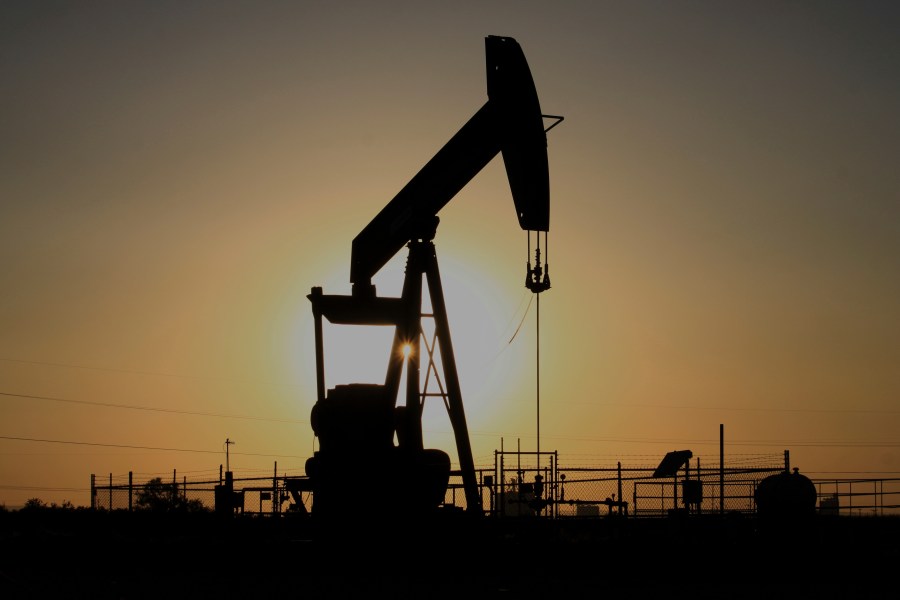
A recent initiative by the Trump administration aims to reduce the costs associated with oil drilling on federal land, significantly impacting states that rely heavily on oil and gas revenues. This policy shift is particularly affecting New Mexico, where the state government is focused on expanding early childhood education programs while also planning for future financial stability.
The administration’s decision to ease restrictions on drilling comes as part of a broader energy policy reform intended to bolster domestic production. According to the U.S. Department of the Interior, this change is designed to make it easier and more cost-effective for oil companies to extract resources from federal lands. This has raised concerns among some state officials who see potential revenue decreases amidst ongoing budgetary pressures.
New Mexico stands out due to its significant dependence on oil and gas revenues, which contribute around $2 billion annually to the state budget. This income is crucial for funding public services, including education and infrastructure. As the state government seeks to enhance early childhood education, the potential loss of revenue from drilling activities could complicate these efforts.
The fiscal pressure is not confined to New Mexico alone. Other states with similar dependencies on fossil fuel revenues may also face challenges as federal policies shift. The Republican Party’s commitment to promoting energy independence through increased drilling could create disparities in how different states manage their budgets.
While the initiative is celebrated by some in the oil industry for potentially revitalizing local economies, it raises questions about environmental impacts and long-term sustainability. Environmental groups argue that increasing drilling activities could lead to further degradation of natural resources and exacerbate climate change issues.
New Mexico’s governor, Michelle Lujan Grisham, has voiced her concerns regarding the implications of this policy. She emphasizes the importance of balancing economic growth with environmental responsibility. The governor’s office is exploring alternative funding sources to mitigate the expected fiscal challenges while continuing to support educational initiatives.
As the situation develops, the long-term effects of this policy change will become clearer. For now, New Mexico and other oil-dependent states are left to navigate the complexities of shifting federal energy policies, seeking to balance economic needs with the imperative of sustainable development.
This ongoing situation illustrates the intricate relationship between federal policy decisions and local economic realities, highlighting the challenges faced by states that rely heavily on natural resource revenues. As stakeholders continue to discuss these issues, the future of energy policy in the United States remains a pivotal topic of debate.

Urgent: Power Restoration Efforts Intensify in Clark County

Lee Junho Reveals Painful Truths of Being a “Beast Idol”

Kamala Harris Calls Justice Ketanji Brown Jackson’s Dissents ‘Brilliant’

Wondershare Launches EdrawMax V15 with Advanced AI Features

Eighth Doctor Actor Paul McGann Addresses Doctor Who Rumors

Community Advocates for Establishment of UMaine Medical School

Pope Leo XIV Appoints Ramón Bejarano as Bishop of Monterey

South Korea’s Judicial Reforms Spark Concerns Over Power Balance

Regulating Global Trade in Wild Species to Protect Biodiversity

ALMA Discovers Companion Orbiting Giant Red Star π 1 Gruis

SEVENTEEN’s Mingyu Faces Backlash Over Alcohol Incident at Concert

New ‘Star Trek: Voyager’ Game Demo Released, Players Test Limits

Global Air Forces Ranked by Annual Defense Budgets in 2025

Mass Production of F-35 Fighter Jet Drives Down Costs

Electrification Challenges Demand Advanced Multiphysics Modeling

Gold Investment Surge: Top Mutual Funds and ETF Alternatives

Time Crystals Revolutionize Quantum Computing Potential

DirecTV to Launch AI-Driven Ads with User Likenesses in 2026
-
 Science1 month ago
ALMA Discovers Companion Orbiting Giant Red Star π 1 Gruis
-
 Politics2 months ago
SEVENTEEN’s Mingyu Faces Backlash Over Alcohol Incident at Concert
-
 Top Stories2 months ago
New ‘Star Trek: Voyager’ Game Demo Released, Players Test Limits
-
 World2 months ago
Global Air Forces Ranked by Annual Defense Budgets in 2025
-
 World2 months ago
Mass Production of F-35 Fighter Jet Drives Down Costs
-
 World2 months ago
Electrification Challenges Demand Advanced Multiphysics Modeling
-
 Business2 months ago
Gold Investment Surge: Top Mutual Funds and ETF Alternatives
-
 Science2 months ago
Time Crystals Revolutionize Quantum Computing Potential
-
 Top Stories2 months ago
DirecTV to Launch AI-Driven Ads with User Likenesses in 2026
-

 Entertainment2 months ago
Freeport Art Gallery Transforms Waste into Creative Masterpieces
-

 Business2 months ago
US Government Denies Coal Lease Bid, Impacting Industry Revival Efforts
-

 Health2 months ago
Gavin Newsom Critiques Trump’s Health and National Guard Plans