
Entertainment
Elon Musk Reflects on Mixed Success of Government Efficiency Role

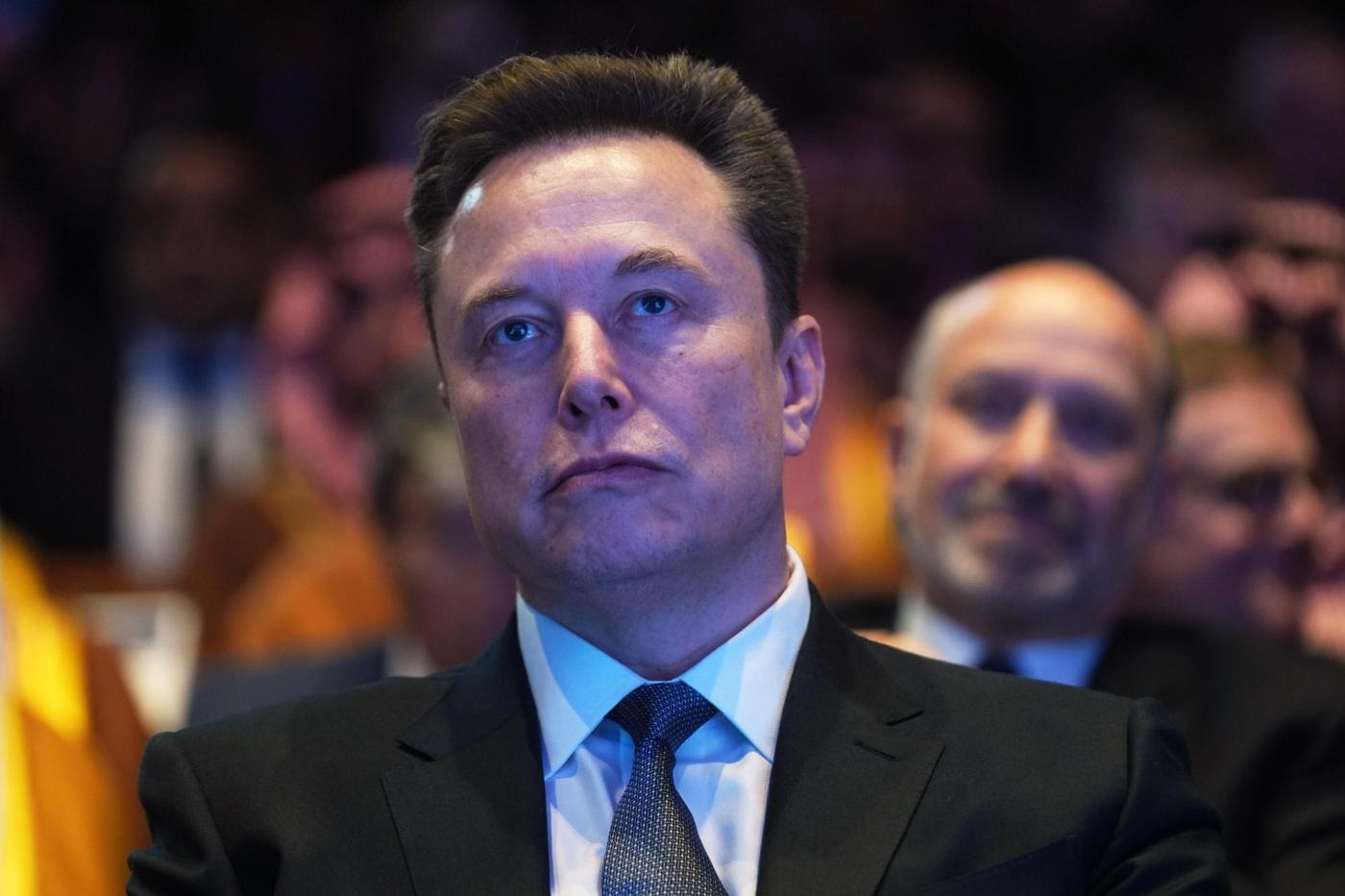
Elon Musk, the CEO of Tesla and SpaceX, recently shared his thoughts on his tenure at the Department of Government Efficiency during a candid interview on the “Katie Miller Podcast.” In a discussion with conservative influencer Katie Miller, Musk described his efforts in the agency as only “somewhat successful,” indicating that he would not choose to repeat the experience.
During the podcast, which lasted over 50 minutes, Musk reflected on his time leading the agency, which he left in the spring of 2023 before its official closure in March 2024. Although he defended the controversial agency initiated by former President Donald Trump, Musk acknowledged the challenges of transforming federal government operations quickly. He stated, “We were a little bit successful. We were somewhat successful,” while also lamenting the impact that his involvement with DOGE had on his business ventures.
Musk expressed a sense of regret regarding his time spent on the agency. When asked if he would undertake the same role again, he replied, “I don’t think so. … Instead of doing DOGE, I would have, basically, built … worked on my companies.” He added that had he focused on his businesses, “they wouldn’t have been burning the cars,” referencing consumer protests against Tesla vehicles.
Despite the challenges Musk faced during his stint in government, recent developments have favored him financially. Tesla shareholders approved an ambitious compensation package that could position Musk as the world’s first trillionaire. This financial upswing contrasts sharply with his reflections on governmental efficiency efforts.
The discussion touched on various topics beyond DOGE, including Musk’s views on artificial intelligence, social media, conspiracy theories, and fashion. Notably, Miller, who served as a spokeswoman for DOGE, did not delve deeply into the agency’s operations or the controversial methods employed during its implementation.
Musk claimed that the agency was able to save approximately $200 billion annually by eliminating what he termed “zombie payments.” These payments, he argued, could be avoided through improved automated systems and coding for federal payouts. However, this figure is significantly lower than earlier promises Musk made, where he suggested potential savings could reach into the trillions.
As Musk continues to navigate both his business ventures and reflections on his brief government service, his comments resonate within broader discussions about efficiency and accountability in federal operations. The complexities of such initiatives, especially under the spotlight of public scrutiny, remain a significant aspect of his narrative.

Krispy Kreme Offers Dozen Doughnuts for $1 on One Day Only

Stanley Roberts Discusses “People Behaving Badly” on 102.9 Radio

Identify Flu or COVID-19: Key Symptoms for Differentiation

Ohio Homeless Services Face Funding Cuts Despite Rising Demand

US Plans New Social Media Screening for Visa Waiver Travelers

Researchers Identify Protein Linked to Necroptosis, Paving Way for Treatments

New Social Media Screening for Visa-Free Travelers to the US

Electric School Bus Fire in Los Angeles Hospitalizes Driver

Alabama Thoroughbred Owners Push to Revive Racing After 30 Years

ALMA Discovers Companion Orbiting Giant Red Star π 1 Gruis

New ‘Star Trek: Voyager’ Game Demo Released, Players Test Limits

SEVENTEEN’s Mingyu Faces Backlash Over Alcohol Incident at Concert

Global Air Forces Ranked by Annual Defense Budgets in 2025

Mass Production of F-35 Fighter Jet Drives Down Costs

Electrification Challenges Demand Advanced Multiphysics Modeling

Gold Investment Surge: Top Mutual Funds and ETF Alternatives

Time Crystals Revolutionize Quantum Computing Potential

DirecTV to Launch AI-Driven Ads with User Likenesses in 2026
-
 Science4 weeks ago
ALMA Discovers Companion Orbiting Giant Red Star π 1 Gruis
-
 Top Stories2 months ago
New ‘Star Trek: Voyager’ Game Demo Released, Players Test Limits
-
 Politics2 months ago
SEVENTEEN’s Mingyu Faces Backlash Over Alcohol Incident at Concert
-
 World2 months ago
Global Air Forces Ranked by Annual Defense Budgets in 2025
-
 World2 months ago
Mass Production of F-35 Fighter Jet Drives Down Costs
-
 World2 months ago
Electrification Challenges Demand Advanced Multiphysics Modeling
-
 Business2 months ago
Gold Investment Surge: Top Mutual Funds and ETF Alternatives
-
 Science2 months ago
Time Crystals Revolutionize Quantum Computing Potential
-
 Top Stories2 months ago
DirecTV to Launch AI-Driven Ads with User Likenesses in 2026
-

 Entertainment2 months ago
Freeport Art Gallery Transforms Waste into Creative Masterpieces
-

 Business2 months ago
US Government Denies Coal Lease Bid, Impacting Industry Revival Efforts
-

 Health2 months ago
Gavin Newsom Critiques Trump’s Health and National Guard Plans