
Politics
California Homeowner Insurance Reforms Withdrawn Amid Wildfire Risks

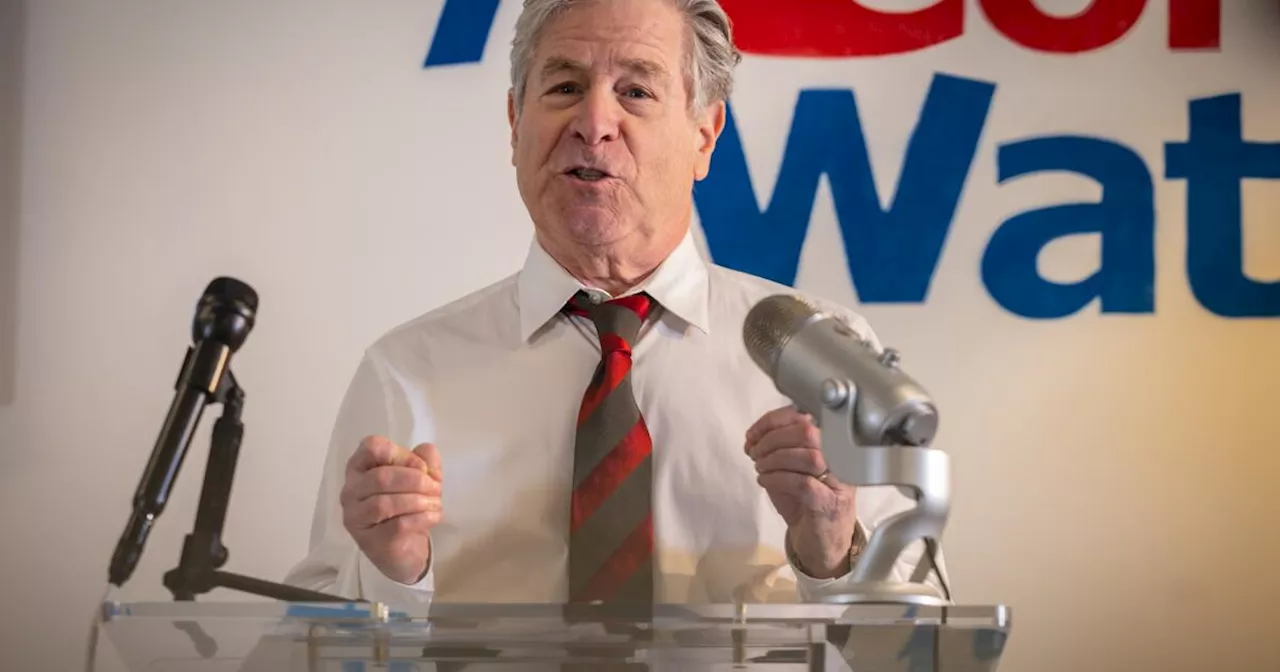
Two initiatives aimed at reforming California’s homeowner insurance regulations have been withdrawn, leaving the protections of Proposition 103 intact. This development highlights the ongoing challenges posed by wildfire risks and instability in the insurance market.
The initiatives, which were intended to address the concerns of homeowners facing escalating wildfire threats, were proposed by the advocacy group Consumer Watchdog and insurance broker Elizabeth Hammack. Their withdrawal signifies a strategic retreat influenced by financial limitations and differing reform visions.
Proposition 103, enacted in 1988, established an elected insurance commissioner with the authority to regulate insurance rate increases. The preservation of this measure maintains crucial consumer protections, which many argue are essential in the current climate of rising wildfire risks.
Consumer Watchdog, led by founder Harvey Rosenfield, cited insufficient funding as the primary reason for pulling its proposed Insurance Policyholder Bill of Rights. This measure aimed to ensure that homeowners who comply with state wildfire mitigation standards could secure insurance policies. It reflects the ongoing struggle to balance consumer needs with market realities.
Simultaneously, Hammack’s initiative, known as the California Insurance Market Reform and Consumer Protection Act of 2026, sought to introduce several significant changes. These included allowing premium hikes to take effect before regulatory review, with potential suspensions based on market competitiveness. Additionally, it proposed premium credits for homeowners who actively reduce fire hazards on their properties and aimed to discontinue payments to intervenors like Consumer Watchdog, a longstanding point of contention in the industry.
The mutual withdrawal of these initiatives indicates a temporary ceasefire in the contentious debate surrounding insurance reform. In October, Insurance Commissioner Ricardo Lara proposed regulations to tighten reimbursements and rules concerning intervenors, reflecting the complexities of consumer and insurer interests in a state increasingly affected by wildfires.
The backdrop to these developments is critical. Homeowners in fire-prone areas have faced heightened challenges due to a series of devastating wildfires, which have led many insurers to cancel existing policies or halt new ones. This situation has underscored the limitations of the current insurance market and the pressing need for comprehensive solutions.
Lara has attempted to address the crisis by offering incentives to insurers, but these measures have yet to substantially reduce reliance on the California FAIR Plan, a state-backed insurance pool that serves as a last resort for many homeowners. The plan’s active dwelling policies have dramatically increased from 2021 to 2024, exposing it to significant financial risk.
As climate change continues to intensify wildfire occurrences, the urgency for a long-term strategy to ensure the affordability and availability of homeowner insurance in California is more pressing than ever. The focus now shifts to exploring alternative solutions and policy adjustments that can better support both consumers and insurers in this challenging landscape.
Hammack expressed disappointment regarding the title and summary assigned to her measure for the ballot, highlighting the ongoing burden of outdated regulations on consumers. The withdrawal of these initiatives marks a pivotal moment for California’s insurance landscape, revealing the intricate dynamics at play among consumers, insurers, and regulators.

Broomfield Eagles Lead Front Range Wrestling in 2025-26 Season

Strategy Bitcoin Reduces Purchases as Bear Market Looms

Deep-Sea Search for MH370 Resumes Amid Political Shifts and Entertainment News

Diabetes Patients Face Increased Risk of Sudden Cardiac Death

Lincoln Park Community Services Urges Community Support Amid Winter Crisis

California Homeowner Insurance Reforms Withdrawn Amid Wildfire Risks

Staff Shortages Hinder Environmental Policy Progress in Ireland

ODOT Activates Crews for Impending Winter Storm in Oklahoma

Yuan Approaches Key 7-Per-Dollar Mark as US-China Relations Improve

ALMA Discovers Companion Orbiting Giant Red Star π 1 Gruis

New ‘Star Trek: Voyager’ Game Demo Released, Players Test Limits

Global Air Forces Ranked by Annual Defense Budgets in 2025

Mass Production of F-35 Fighter Jet Drives Down Costs

Electrification Challenges Demand Advanced Multiphysics Modeling

Gold Investment Surge: Top Mutual Funds and ETF Alternatives

Time Crystals Revolutionize Quantum Computing Potential

SEVENTEEN’s Mingyu Faces Backlash Over Alcohol Incident at Concert

DirecTV to Launch AI-Driven Ads with User Likenesses in 2026
-
 Science3 weeks ago
ALMA Discovers Companion Orbiting Giant Red Star π 1 Gruis
-
 Top Stories2 months ago
New ‘Star Trek: Voyager’ Game Demo Released, Players Test Limits
-
 World2 months ago
Global Air Forces Ranked by Annual Defense Budgets in 2025
-
 World2 months ago
Mass Production of F-35 Fighter Jet Drives Down Costs
-
 World2 months ago
Electrification Challenges Demand Advanced Multiphysics Modeling
-
 Business2 months ago
Gold Investment Surge: Top Mutual Funds and ETF Alternatives
-
 Science2 months ago
Time Crystals Revolutionize Quantum Computing Potential
-
 Politics1 month ago
SEVENTEEN’s Mingyu Faces Backlash Over Alcohol Incident at Concert
-
 Top Stories2 months ago
DirecTV to Launch AI-Driven Ads with User Likenesses in 2026
-

 Entertainment2 months ago
Freeport Art Gallery Transforms Waste into Creative Masterpieces
-

 Business2 months ago
US Government Denies Coal Lease Bid, Impacting Industry Revival Efforts
-

 Health2 months ago
Gavin Newsom Critiques Trump’s Health and National Guard Plans