
Politics
Calls for Reform: Rethinking Presidential Pardons After Controversies

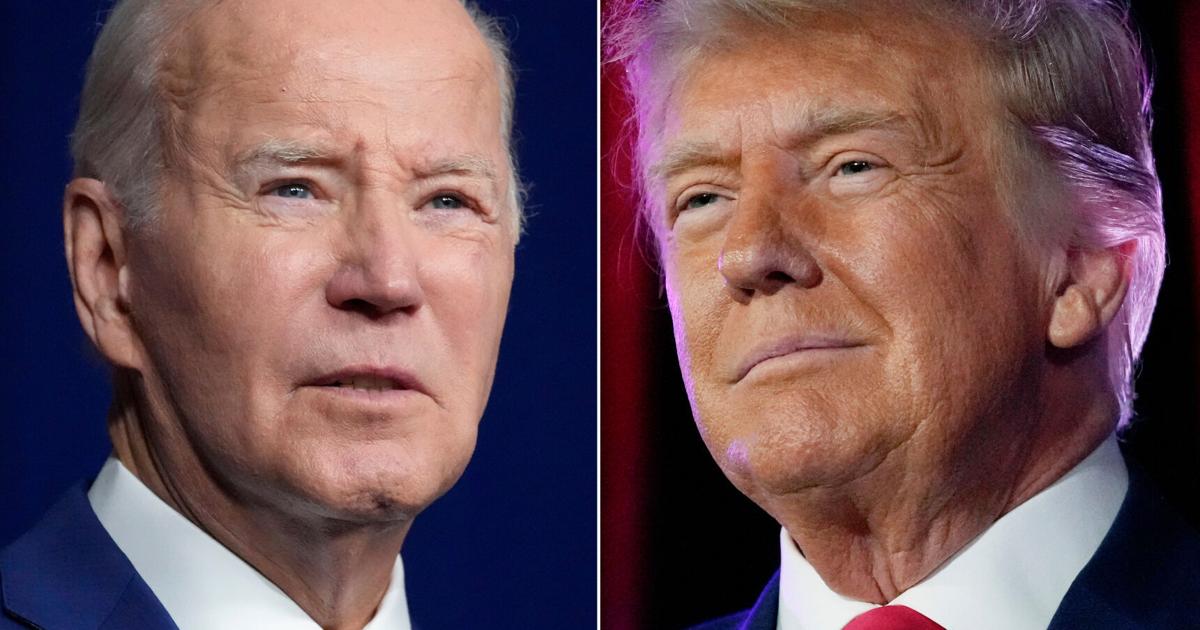
Recent discussions surrounding the power of presidential pardons have raised significant concerns about their integrity and application. Prominent commentators, including political analyst Jonah Goldberg, argue that the current system undermines the essential principles of justice and accountability.
The debate intensified following several high-profile pardons that appeared to favor personal connections over justice. Critics assert that this trend erodes public trust in the federal government’s ability to administer fair and impartial justice. They emphasize that the founding principles of the United States, grounded in a framework of checks and balances, are being compromised.
Historical Context of Presidential Pardons
The power to grant pardons has been a contentious issue since the inception of the United States. Article II, Section 2 of the U.S. Constitution grants presidents the authority to issue pardons for federal offenses. This power was designed as a means to provide mercy, correct injustices, and offer second chances. However, the increasing politicization of pardons has led to calls for reform.
In April 2023, Goldberg highlighted specific instances where pardons were perceived as politically motivated. These cases have sparked widespread debate among legal experts, policymakers, and citizens alike about the implications for justice and public safety. Critics argue that when pardons are seen as rewards for loyalty rather than as measures of justice, the system falters.
Implications for Criminal Justice Reform
The conversation surrounding presidential pardons is part of a larger dialogue about criminal justice reform in the United States. Advocates for reform argue that the system disproportionately affects marginalized communities and perpetuates cycles of poverty and crime. The misuse of pardon powers can exacerbate these issues, further alienating those who feel the justice system fails to serve them.
Supporters of reform propose establishing clearer guidelines and oversight mechanisms for the pardon process. This could include requiring transparency in the decision-making process and limiting pardons to cases with demonstrable evidence of wrongful conviction or significant rehabilitation. Such measures aim to restore public confidence in the system and ensure that pardons are granted fairly.
In a democratic society, maintaining trust in governmental powers is paramount. As the debate continues, it remains to be seen whether reforms will materialize to address these concerns. The discourse initiated by figures like Goldberg is essential in shaping the future of the pardon system and its alignment with the principles of justice and accountability.
The issue is not simply about legal authority; it reflects the broader societal values regarding justice and fairness. As citizens advocate for change, the call for a more transparent and equitable pardon process resonates strongly across the political spectrum.

Urgent Fire at Indigo Apartments in OKC Leaves Residents Shaken

Arlene Hartman Passes Away at 87, Leaving Lasting Legacy

Urgent: Vehicle Fire Closes Lanes on I-215 in Salt Lake City

Boise State Faces UNLV in Urgent MWC Championship Showdown

Hallmark’s ‘Christmas at the Catnip Café’ Premieres Today!

Millville Woman Arrested for Threatening U-Haul Worker with Baton

Japan’s PM Takaichi Vows Fiscal Management Amid Economic Shift

Bitcoin Plummets Below $88K Amid Tether Controversy

Tottenville Falls Short in PSAL 4A Title Game Against Erasmus

New ‘Star Trek: Voyager’ Game Demo Released, Players Test Limits

Global Air Forces Ranked by Annual Defense Budgets in 2025

ALMA Discovers Companion Orbiting Giant Red Star π 1 Gruis

Mass Production of F-35 Fighter Jet Drives Down Costs

Electrification Challenges Demand Advanced Multiphysics Modeling

Gold Investment Surge: Top Mutual Funds and ETF Alternatives

Time Crystals Revolutionize Quantum Computing Potential

DirecTV to Launch AI-Driven Ads with User Likenesses in 2026

Freeport Art Gallery Transforms Waste into Creative Masterpieces
-
 Top Stories2 months ago
New ‘Star Trek: Voyager’ Game Demo Released, Players Test Limits
-
 World2 months ago
Global Air Forces Ranked by Annual Defense Budgets in 2025
-
 Science2 weeks ago
ALMA Discovers Companion Orbiting Giant Red Star π 1 Gruis
-
 World2 months ago
Mass Production of F-35 Fighter Jet Drives Down Costs
-
 World2 months ago
Electrification Challenges Demand Advanced Multiphysics Modeling
-
 Business2 months ago
Gold Investment Surge: Top Mutual Funds and ETF Alternatives
-
 Science2 months ago
Time Crystals Revolutionize Quantum Computing Potential
-
 Top Stories2 months ago
DirecTV to Launch AI-Driven Ads with User Likenesses in 2026
-
 Entertainment2 months ago
Freeport Art Gallery Transforms Waste into Creative Masterpieces
-

 Business2 months ago
US Government Denies Coal Lease Bid, Impacting Industry Revival Efforts
-

 Health2 months ago
Gavin Newsom Critiques Trump’s Health and National Guard Plans
-

 Lifestyle2 months ago
Discover Reese Witherspoon’s Chic Dining Room Style for Under $25