
Politics
GOP Lawmaker Calls for $300 Billion in Canadian Defense Payments

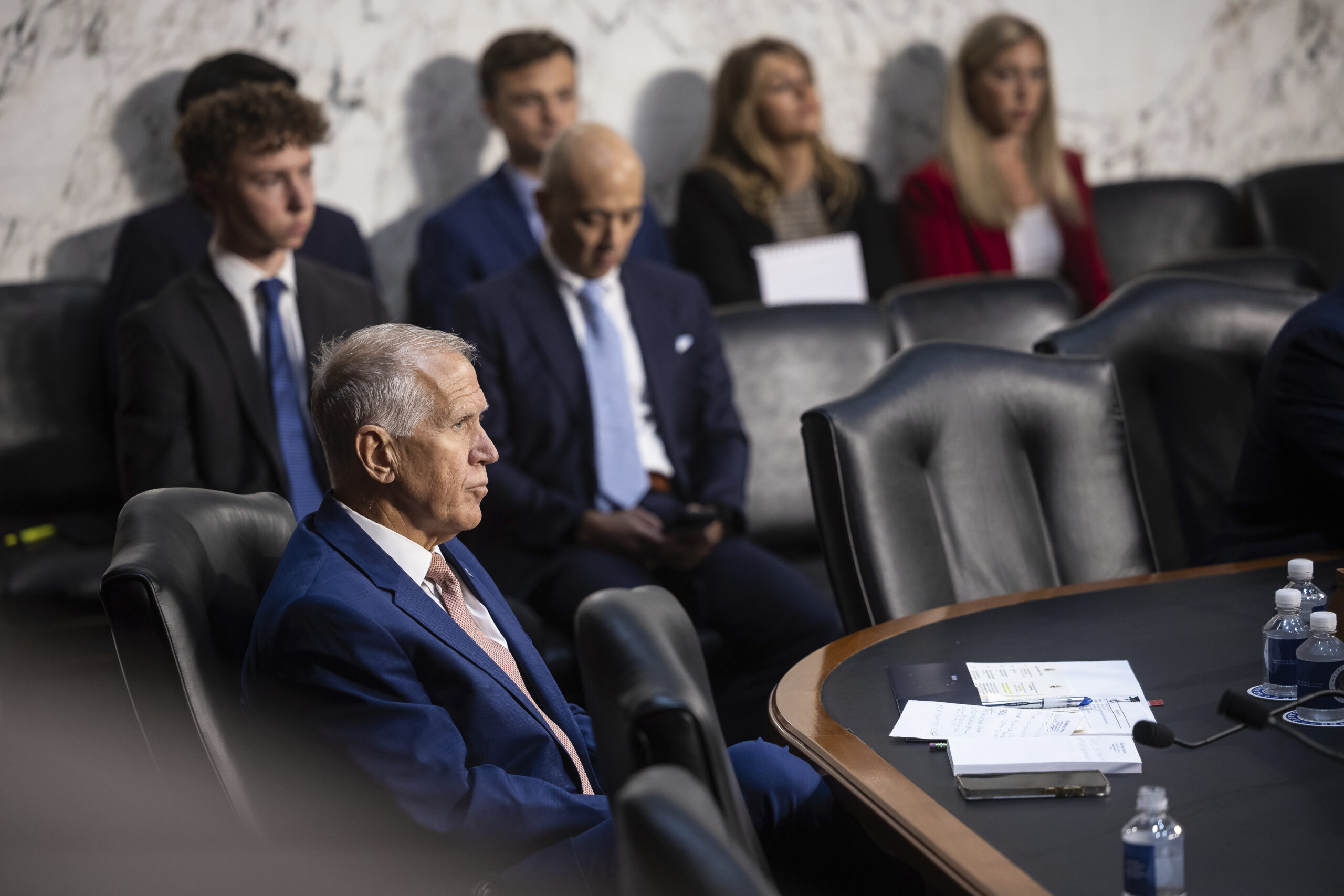
A Republican lawmaker has demanded that Canada pay approximately $300 billion in defense dues to meet its commitments to the North Atlantic Treaty Organization (NATO). This request comes amid ongoing discussions about defense spending and military commitments among member nations. The lawmaker’s stance has sparked a debate about the financial responsibilities of NATO allies.
In a statement made to the U.S. House of Representatives, the GOP lawmaker argued that Canada has fallen short in its defense spending obligations. The comments highlight a growing concern within the United States regarding the financial contributions of NATO member states. According to NATO guidelines, each member is expected to allocate at least 2% of its Gross Domestic Product (GDP) to defense.
Canada’s Response to NATO Commitments
In response to the demand, Canadian officials reiterated their commitment to NATO and emphasized their ongoing efforts to strengthen military capabilities. The Canadian government has been actively increasing its defense budget, with plans to reach the NATO spending target by 2026. Canadian Minister of National Defence, Anita Anand, stated that the country is making “forward progress at breakneck speed” in enhancing its defense infrastructure and capabilities.
Minister Anand outlined recent investments in military equipment and modernization programs. She noted that Canada has committed to purchasing new fighter jets and expanding its naval fleet. These initiatives aim to bolster national security while fulfilling obligations to NATO.
The Canadian government also highlighted its active participation in NATO missions and initiatives. Canada has contributed troops to various international operations, including efforts in Eastern Europe and training missions in Iraq. This involvement underscores Canada’s commitment to collective defense and global security.
The Broader Context of NATO Spending
The debate over defense spending is not exclusive to Canada. Other NATO member nations have faced similar scrutiny regarding their military expenditures. The 2022 NATO Defense Expenditure Report indicated that several countries are below the 2% GDP spending guideline. This has led to calls for increased contributions to ensure the alliance remains robust and capable of addressing emerging security threats.
The emphasis on defense spending reflects broader geopolitical tensions, particularly in light of recent conflicts in Eastern Europe and Asia. As nations reassess their military strategies, the pressure to enhance defense budgets is likely to intensify.
While the GOP lawmaker’s demand for $300 billion may be seen as a political statement, it highlights the ongoing dialogue about the distribution of defense responsibilities within NATO. As member states navigate their commitments, the question of equitable contributions will remain central to discussions on collective security.
The outcome of these discussions could have significant implications for transatlantic relations and the future of NATO as a unified defense alliance. As Canada continues to enhance its military capabilities, the focus will remain on balancing national interests with collective obligations to ensure regional and global stability.

Urgent: Man Shot Dead in SoMa Near Civic Center in Midnight Attack

Study Links Hormone-Disrupting Chemicals to Skin Inflammation

Cape Cod Estate Near Kennedy Compound Hits Market at $21.5 Million

Trump’s Doctor Details MRI Findings from Annual Physical Exam

SpaceX Prepares for 60th Falcon 9 Launch from Vandenberg SFB

Giants Face Patriots in Key Monday Night Clash

Pakistan Petroleum Plans Artificial Island for Offshore Oil Production

Trump Urges Support in Crucial GOP Race Amid Polling Alarm

Austin Faces Chilly Showers Today, Sunny Weekend Ahead

New ‘Star Trek: Voyager’ Game Demo Released, Players Test Limits

Global Air Forces Ranked by Annual Defense Budgets in 2025

ALMA Discovers Companion Orbiting Giant Red Star π 1 Gruis

Mass Production of F-35 Fighter Jet Drives Down Costs

Electrification Challenges Demand Advanced Multiphysics Modeling

Gold Investment Surge: Top Mutual Funds and ETF Alternatives

Time Crystals Revolutionize Quantum Computing Potential

DirecTV to Launch AI-Driven Ads with User Likenesses in 2026

Freeport Art Gallery Transforms Waste into Creative Masterpieces
-
 Top Stories2 months ago
New ‘Star Trek: Voyager’ Game Demo Released, Players Test Limits
-
 World2 months ago
Global Air Forces Ranked by Annual Defense Budgets in 2025
-
 Science2 weeks ago
ALMA Discovers Companion Orbiting Giant Red Star π 1 Gruis
-
 World2 months ago
Mass Production of F-35 Fighter Jet Drives Down Costs
-
 World2 months ago
Electrification Challenges Demand Advanced Multiphysics Modeling
-
 Business2 months ago
Gold Investment Surge: Top Mutual Funds and ETF Alternatives
-
 Science2 months ago
Time Crystals Revolutionize Quantum Computing Potential
-
 Top Stories2 months ago
DirecTV to Launch AI-Driven Ads with User Likenesses in 2026
-
 Entertainment2 months ago
Freeport Art Gallery Transforms Waste into Creative Masterpieces
-

 Business2 months ago
US Government Denies Coal Lease Bid, Impacting Industry Revival Efforts
-

 Health2 months ago
Gavin Newsom Critiques Trump’s Health and National Guard Plans
-

 Politics1 month ago
SEVENTEEN’s Mingyu Faces Backlash Over Alcohol Incident at Concert