
Politics
GOP Leaders Allegedly Sabotage ObamaCare Amendments, Says Fitzpatrick

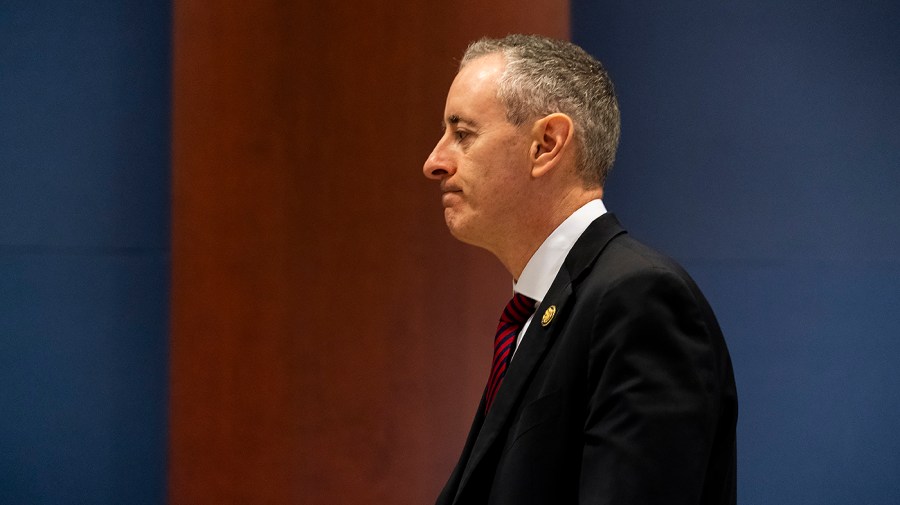
In a recent statement, Representative Brian Fitzpatrick (R-Pa.) accused Republican leaders of manipulating the legislative process to undermine proposed amendments aimed at improving ObamaCare. Fitzpatrick expressed concern that the tactics employed by party leaders were designed to ensure these amendments would not succeed, raising questions about the GOP’s commitment to healthcare reform.
GOP Strategy Under Scrutiny
Fitzpatrick’s comments, made during a press briefing on Wednesday, highlighted a growing frustration within the party regarding the handling of healthcare legislation. He emphasized that the fear of a bill obtaining 218 votes on the House floor should not deter lawmakers from bringing it to a vote. “Fear of a bill getting 218 votes on the floor is not a reason to keep it off,” Fitzpatrick stated. “It’s a reason to put it on the floor.” His remarks suggest a significant divide within the Republican Party on how to approach healthcare issues.
This debate comes at a pivotal time as lawmakers grapple with the future of healthcare in the United States. Fitzpatrick’s assertion reflects broader concerns that some GOP leaders may favor a strategy that prioritizes political maneuvering over substantive policy discussions. By introducing what he described as “poison pill” amendments, Fitzpatrick implied that these tactics were intended to ensure that any meaningful healthcare reform would fail.
Implications for Healthcare Reform
The implications of this internal conflict could be substantial. With the ongoing debate over healthcare reform, the ability of the GOP to present a unified front is critical. Fitzpatrick’s stance may resonate with constituents who are eager for solutions to rising healthcare costs and access issues. His call for transparency and openness in the legislative process could also appeal to a broader audience concerned about the effectiveness of their representatives.
As the Republican Party navigates these complex issues, Fitzpatrick’s comments may serve as a rallying point for those advocating for more proactive and constructive approaches to healthcare legislation. The outcome of this debate will likely influence not only the future of ObamaCare but also the party’s standing among voters who prioritize healthcare reform.
In conclusion, the internal dynamics of the GOP, as articulated by Representative Fitzpatrick, highlight critical challenges facing the party as it strives to address healthcare reform. The coming weeks will be crucial in determining how these issues unfold in Congress and what they mean for American healthcare policy moving forward.

Urgent: Power Restoration Efforts Intensify in Clark County

Lee Junho Reveals Painful Truths of Being a “Beast Idol”

Kamala Harris Calls Justice Ketanji Brown Jackson’s Dissents ‘Brilliant’

Wondershare Launches EdrawMax V15 with Advanced AI Features

Eighth Doctor Actor Paul McGann Addresses Doctor Who Rumors

Community Advocates for Establishment of UMaine Medical School

Pope Leo XIV Appoints Ramón Bejarano as Bishop of Monterey

South Korea’s Judicial Reforms Spark Concerns Over Power Balance

Regulating Global Trade in Wild Species to Protect Biodiversity

ALMA Discovers Companion Orbiting Giant Red Star π 1 Gruis

SEVENTEEN’s Mingyu Faces Backlash Over Alcohol Incident at Concert

New ‘Star Trek: Voyager’ Game Demo Released, Players Test Limits

Global Air Forces Ranked by Annual Defense Budgets in 2025

Mass Production of F-35 Fighter Jet Drives Down Costs

Electrification Challenges Demand Advanced Multiphysics Modeling

Gold Investment Surge: Top Mutual Funds and ETF Alternatives

Time Crystals Revolutionize Quantum Computing Potential

DirecTV to Launch AI-Driven Ads with User Likenesses in 2026
-
 Science1 month ago
ALMA Discovers Companion Orbiting Giant Red Star π 1 Gruis
-
 Politics2 months ago
SEVENTEEN’s Mingyu Faces Backlash Over Alcohol Incident at Concert
-
 Top Stories2 months ago
New ‘Star Trek: Voyager’ Game Demo Released, Players Test Limits
-
 World2 months ago
Global Air Forces Ranked by Annual Defense Budgets in 2025
-
 World2 months ago
Mass Production of F-35 Fighter Jet Drives Down Costs
-
 World2 months ago
Electrification Challenges Demand Advanced Multiphysics Modeling
-
 Business2 months ago
Gold Investment Surge: Top Mutual Funds and ETF Alternatives
-
 Science2 months ago
Time Crystals Revolutionize Quantum Computing Potential
-
 Top Stories2 months ago
DirecTV to Launch AI-Driven Ads with User Likenesses in 2026
-

 Entertainment2 months ago
Freeport Art Gallery Transforms Waste into Creative Masterpieces
-

 Business2 months ago
US Government Denies Coal Lease Bid, Impacting Industry Revival Efforts
-

 Health2 months ago
Gavin Newsom Critiques Trump’s Health and National Guard Plans