
Science
Democratic Representative Compares Trump’s Economic Messaging to Ron Burgundy

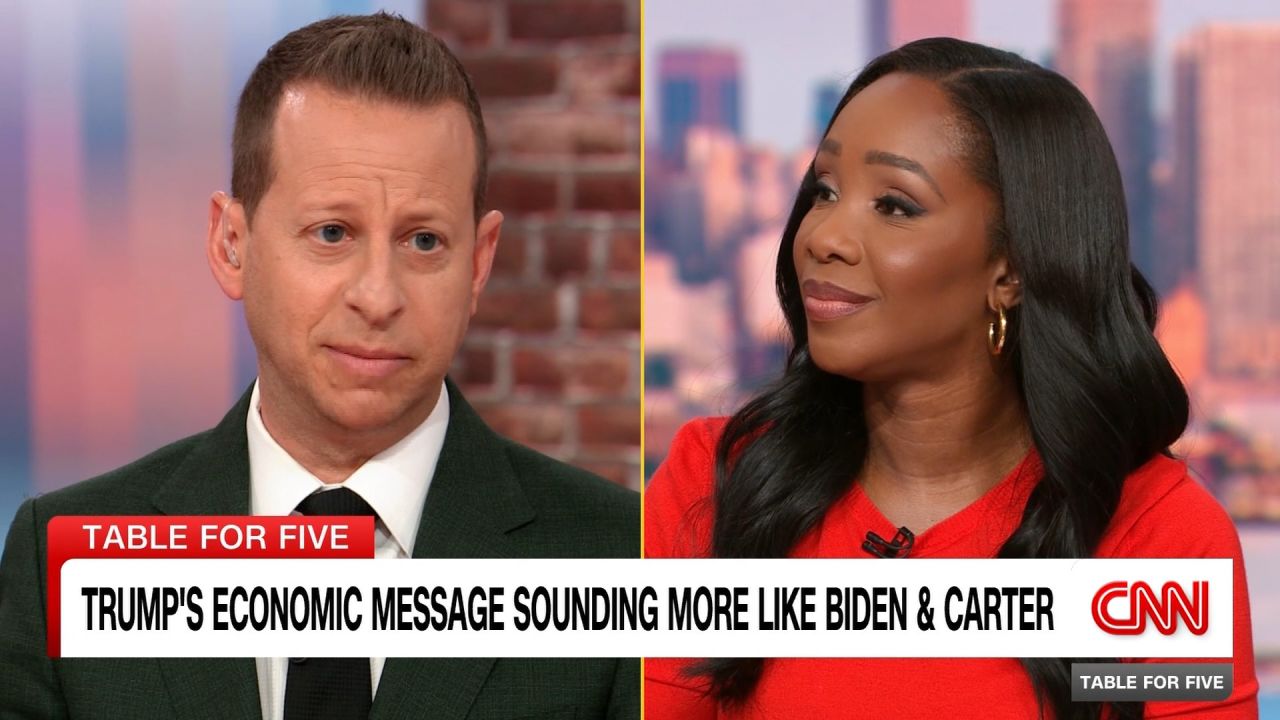
Democratic Representative Jared Moskowitz has drawn a striking parallel between President Donald Trump‘s economic messaging and a well-known moment from the movie “Anchorman.” During a recent discussion, Moskowitz likened Trump’s rhetoric to Ron Burgundy’s infamous line, “go f*** yourself, San Diego,” suggesting that Trump is misreading voters’ sentiments about the economy. This comparison highlights a recurring challenge faced by politicians in effectively communicating economic issues to the public.
In a panel discussion featuring the program Table for Five, Moskowitz elaborated on his critique. He argued that Trump’s approach mirrors the missteps historically made by Democrats when attempting to dictate how voters should feel about economic conditions. The panelists discussed the disconnect between affluent politicians and the everyday concerns of Americans, particularly regarding rising prices and inflation.
The conversation comes at a crucial time as the United States grapples with significant economic challenges. Inflation rates have surged, impacting the cost of living for many households. According to data from the Bureau of Labor Statistics, consumer prices increased by 8.3% over the past year, leading to widespread concern among voters.
Moskowitz emphasized that Trump’s messaging fails to resonate with those who are directly affected by these economic pressures. He pointed out that the former president’s focus on economic indicators does not address the real-life experiences of voters struggling with high prices for essentials such as food and fuel.
The panelists also examined why wealthy politicians, including Trump, often struggle to connect with the electorate on economic issues. Many voters perceive them as out of touch, which can undermine their credibility when discussing financial matters. The panel’s discussion included insights on how effective communication requires empathy and an understanding of the electorate’s daily realities.
As the political landscape evolves leading up to the next election, the importance of authentic economic messaging remains clear. Voters are looking for leaders who can relate to their experiences and offer tangible solutions. Moskowitz’s remarks serve as a reminder of the delicate balance politicians must strike in addressing economic topics while remaining attuned to the sentiments of the public.
In this context, both parties may need to reassess their strategies to ensure they are effectively engaging with voters. The future of economic messaging in American politics will likely depend on the ability of leaders to convey their understanding of the challenges faced by ordinary citizens, rather than relying solely on abstract economic data.
As discussions continue, the implications of these dynamics will be critical not only for Trump’s presidency but for the broader political environment as well.

10 Years After His Death, Joe Skinner’s Legacy Shines On

House Democrats Unveil Disturbing Epstein Photos; Calls for Justice Surge

Bet365 Launches Urgent $365 Bonus for Army-Navy Game in MO!

SABCS 2025 Highlights Breakthroughs in Breast Cancer Treatment

Maumee’s Shop With a Hero Event Delivers Joy to Local Children

MainStay CBRE Global Infrastructure Fund Announces Monthly Dividend

New Insights into Stem Cells Uncover Myelodysplastic Syndrome Progression

Thunder and Spurs Clash in NBA Cup Semifinal Showdown

Israel Strikes, Killing Senior Hamas Commander Raad Saad

ALMA Discovers Companion Orbiting Giant Red Star π 1 Gruis

SEVENTEEN’s Mingyu Faces Backlash Over Alcohol Incident at Concert

New ‘Star Trek: Voyager’ Game Demo Released, Players Test Limits

Global Air Forces Ranked by Annual Defense Budgets in 2025

Electrification Challenges Demand Advanced Multiphysics Modeling

Mass Production of F-35 Fighter Jet Drives Down Costs

Gold Investment Surge: Top Mutual Funds and ETF Alternatives

Time Crystals Revolutionize Quantum Computing Potential

DirecTV to Launch AI-Driven Ads with User Likenesses in 2026
-
 Science4 weeks ago
ALMA Discovers Companion Orbiting Giant Red Star π 1 Gruis
-
 Politics2 months ago
SEVENTEEN’s Mingyu Faces Backlash Over Alcohol Incident at Concert
-
 Top Stories2 months ago
New ‘Star Trek: Voyager’ Game Demo Released, Players Test Limits
-
 World2 months ago
Global Air Forces Ranked by Annual Defense Budgets in 2025
-
 World2 months ago
Electrification Challenges Demand Advanced Multiphysics Modeling
-
 World2 months ago
Mass Production of F-35 Fighter Jet Drives Down Costs
-
 Business2 months ago
Gold Investment Surge: Top Mutual Funds and ETF Alternatives
-
 Science2 months ago
Time Crystals Revolutionize Quantum Computing Potential
-
 Top Stories2 months ago
DirecTV to Launch AI-Driven Ads with User Likenesses in 2026
-

 Entertainment2 months ago
Freeport Art Gallery Transforms Waste into Creative Masterpieces
-

 Business2 months ago
US Government Denies Coal Lease Bid, Impacting Industry Revival Efforts
-

 Health2 months ago
Gavin Newsom Critiques Trump’s Health and National Guard Plans