
Science
Nintendo Faces Memory Crisis as Costs Surge, Shares Drop

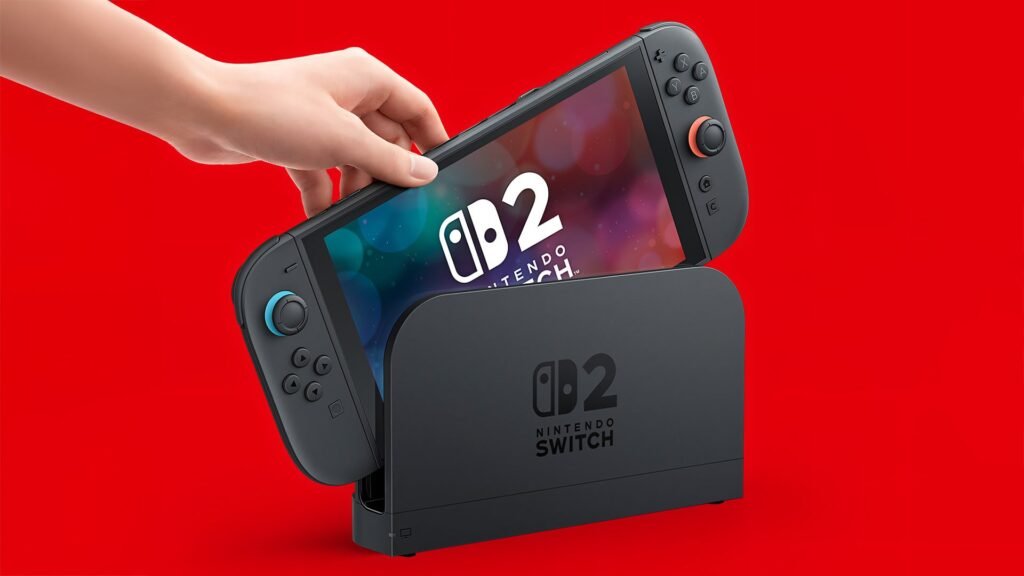
Nintendo is grappling with rising costs related to RAM and flash memory, which have significantly impacted its financial outlook. The surge in memory prices has led to concerns about profit margins for the Japanese gaming giant, particularly following the launch of its latest console, the Switch 2.
According to a report from the US Economic Intelligence Service Bloomberg, Nintendo’s share price plummeted by up to 4.7 percent as investors reacted to fears surrounding the increased costs of memory components. The company has already witnessed a sharp decline in market value, losing nearly $14 billion within a week, which equates to a loss of almost 10 percent of its total market capitalization.
The financial strain stems from the substantial price hikes in essential components for the Switch 2. The total 12 gigabytes of RAM in the console has seen a price increase of 41 percent over a matter of weeks, while flash memory costs have risen by 8 percent. Market analysts suggest that the optimism surrounding Nintendo’s sales figures is fading, as the higher hardware prices are expected to erode profit margins significantly.
The implications of these rising costs extend beyond the console itself. The memory cards required for the Switch 2, which utilize flash memory, are also becoming increasingly expensive. This situation presents a dual challenge for Nintendo: if it raises prices to offset the added costs, the new console may become less appealing to consumers, leading to a potential drop in demand.
In response to this volatile market, Nintendo is adopting an unusual strategy. Although the Switch 2 was only recently released, the company is offering discounted bundles that include popular games, such as Mario Kart. This promotion allows customers to effectively receive the game at no additional cost, as Nintendo aims to boost hardware sales quickly. The hope is to generate revenue through games and services before the anticipated slowdown in hardware sales due to rising memory prices.
With the gaming industry facing a memory crisis fueled by the growing demand for AI technology, companies like Nintendo are navigating a challenging landscape. The outcome of these price increases will likely play a crucial role in shaping the company’s financial performance in the months ahead.
As the situation develops, stakeholders will be watching closely to see how Nintendo manages these challenges and whether its strategies can mitigate the impact of the memory crisis on its bottom line.

Jewel Stuns Fans with Bikini Photos from Barbuda Getaway

** Engineers Achieve Breakthrough in Overcoming Gravity, Transforming Space Travel**

BTS Fans React Strongly to Jungkook Protest Truck Controversy

Nintendo Faces Memory Crisis as Costs Surge, Shares Drop

United States Dominates Canada 10-4 in Rivalry Series Showdown

U.S. and Japan Showcase Military Alliance with Bomber Flyover

Family Surprised by $330 Charge on GoFundMe Donation Due to Tipping

Celebrating the Life of Walter Clarence Gilliam, Community Leader

Jackson 5’s “Give Love on Christmas Day” Recognized as Holiday Classic

ALMA Discovers Companion Orbiting Giant Red Star π 1 Gruis

New ‘Star Trek: Voyager’ Game Demo Released, Players Test Limits

SEVENTEEN’s Mingyu Faces Backlash Over Alcohol Incident at Concert

Global Air Forces Ranked by Annual Defense Budgets in 2025

Mass Production of F-35 Fighter Jet Drives Down Costs

Electrification Challenges Demand Advanced Multiphysics Modeling

Gold Investment Surge: Top Mutual Funds and ETF Alternatives

Time Crystals Revolutionize Quantum Computing Potential

DirecTV to Launch AI-Driven Ads with User Likenesses in 2026
-
 Science4 weeks ago
ALMA Discovers Companion Orbiting Giant Red Star π 1 Gruis
-
 Top Stories2 months ago
New ‘Star Trek: Voyager’ Game Demo Released, Players Test Limits
-
 Politics2 months ago
SEVENTEEN’s Mingyu Faces Backlash Over Alcohol Incident at Concert
-
 World2 months ago
Global Air Forces Ranked by Annual Defense Budgets in 2025
-
 World2 months ago
Mass Production of F-35 Fighter Jet Drives Down Costs
-
 World2 months ago
Electrification Challenges Demand Advanced Multiphysics Modeling
-
 Business2 months ago
Gold Investment Surge: Top Mutual Funds and ETF Alternatives
-
 Science2 months ago
Time Crystals Revolutionize Quantum Computing Potential
-
 Top Stories2 months ago
DirecTV to Launch AI-Driven Ads with User Likenesses in 2026
-

 Entertainment2 months ago
Freeport Art Gallery Transforms Waste into Creative Masterpieces
-

 Business2 months ago
US Government Denies Coal Lease Bid, Impacting Industry Revival Efforts
-

 Health2 months ago
Gavin Newsom Critiques Trump’s Health and National Guard Plans