
Science
Scholars Challenge Viking Myths, Reshape Historical Perspectives

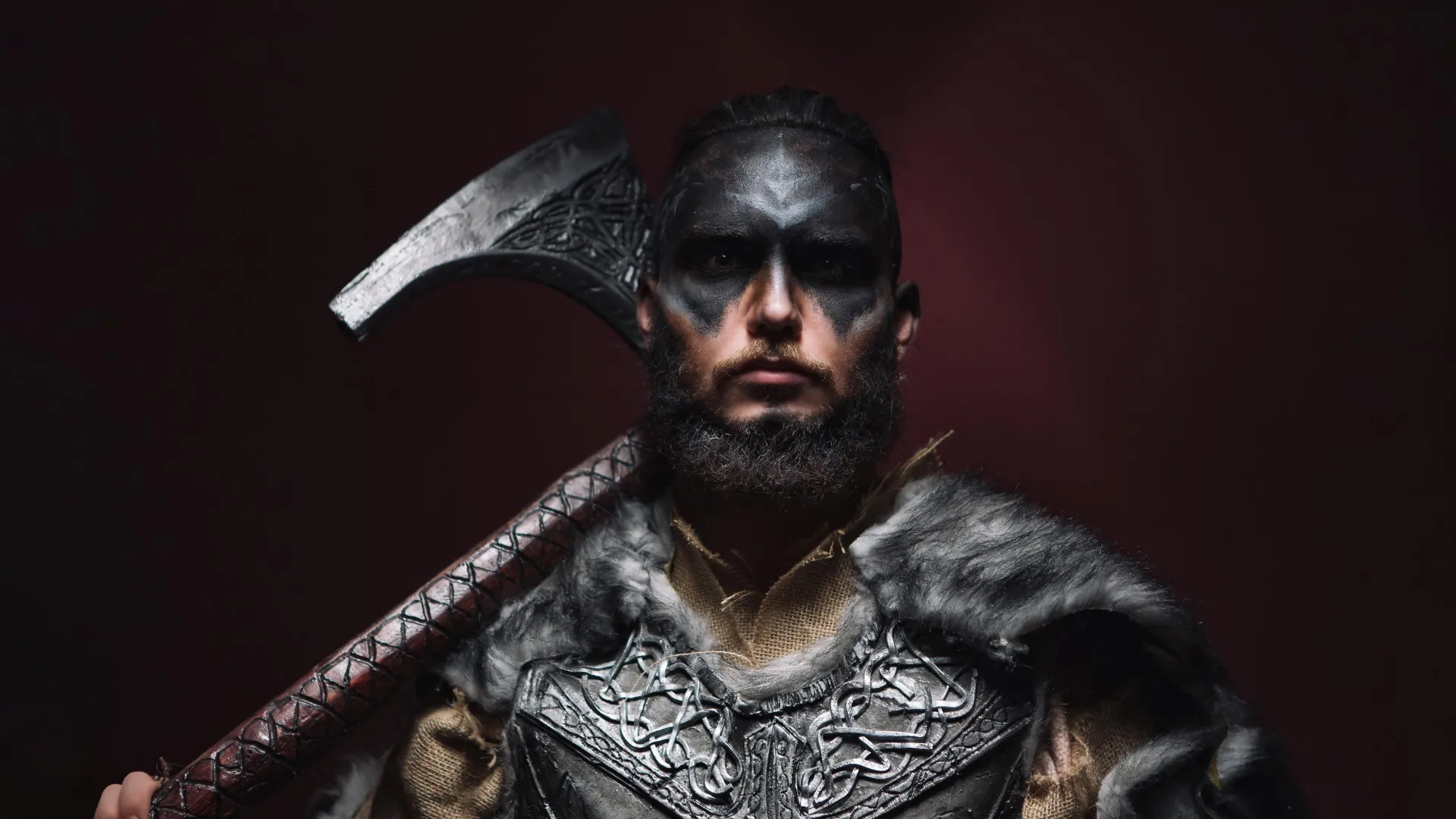
Scholars are questioning the prevailing narratives surrounding Vikings and Norse mythology, suggesting that much of what is commonly believed is based on later interpretations rather than factual historical accounts. Research from the Cluster of Excellence “Religion and Politics” at the University of Münster highlights how these narratives have been shaped over centuries by various cultural and political influences.
According to Roland Scheel, a scholar at the University of Münster, the majority of existing beliefs about Vikings derive from writings by Christian scholars during the High Middle Ages, which occurred over a century after the Viking Age, typically defined as spanning from the 8th to the 11th century. With few original texts preserved, these later accounts have largely informed modern perceptions of Viking culture.
Many contemporary depictions of Vikings as fearless adventurers and skilled warriors owe much to popular culture, including films, series, and video games. Scheel emphasizes that these representations often overlook the complexity of the historical record, which reveals a more nuanced picture of Viking life and beliefs.
The term “Viking” has become synonymous with positive traits such as heroism and freedom, particularly in their treatment of women compared to other medieval societies. This favorable image has contributed to the identity of modern groups, including neo-pagan organizations that draw on pre-Christian traditions. Scheel notes that these groups often embrace a romanticized view of Viking history, ignoring the more brutal aspects of their raids.
Examples of how Viking imagery is utilized in modern contexts include the Council of Europe’s Viking Cultural Route, which promotes historical sites as integral to a united European identity. This manipulation of Viking heritage reflects a broader trend where historical narratives are adapted to serve contemporary political agendas.
In their research, Scheel and fellow scholar Simon Hauke explore how various authors and cultural movements have reshaped the understanding of Scandinavian paganism throughout history. They cite influential works, including the 13th-century “Edda” by Icelandic scholar Snorri Sturluson, which narrates tales of gods and heroes, and the writings of Jacob Grimm. Additionally, they point to political figures like Otto von Bismarck, who incorporated these texts into his speeches to bolster national identity.
Scheel remarks that examining how different eras interpreted Scandinavian paganism reveals much about the societal goals and mindsets of those times. He highlights that the image of the ‘pagan North’ has frequently been appropriated for political purposes, notably by nationalist movements during the 19th and 20th centuries.
In a different context, Simon Hauke discusses the impact of Richard Wagner‘s opera “The Ring of the Nibelung,” which has significantly shaped modern interpretations of Norse mythology. The character of the Valkyrie, depicted as a fierce female warrior, reflects only a fraction of the diverse roles these figures played in Old Norse literature. Hauke explains that Valkyries were not just warriors; they also served as barmaids in the afterlife and played various roles in battles, illustrating the complexity of their character beyond contemporary stereotypes.
The ongoing research project titled “Paganisations: Memorialised paganism as an element of Scandinavian and European identities” aims to delve deeper into these themes. A forthcoming conference, “Imagining Nordic Paganism: Cultural Memories and Scholarly Thought Since the Middle Ages,” will feature discussions on topics such as gender, spatial perception, and the evolving identity linked to paganism in historiography.
This inquiry underscores the profound historical depth of Scandinavian paganism and its reception over time. Experts, including Jóhanna Katrín Friðriksdóttir and Alessia Bauer, will contribute to the conference, shedding light on the various interpretations that have emerged since the Middle Ages and their implications for modern identity.
As scholars continue to challenge the myths surrounding Vikings and their culture, a richer and more accurate understanding of this complex historical period is gradually taking shape, moving beyond the romanticized notions often found in popular culture.

Black Friday Sales Surge Signals Strong Consumer Confidence

Suspect Shot After Using Employee as Shield in Houston Robbery

Unlock Fitness Potential: Top Weighted Vest Deals for Cyber Monday

Essential Gear Guide for Night Photographers This Holiday Season

Pennsylvania Grant Fuels 40 New Affordable Homes in North Philadelphia

Researchers Spotlight Non-Timber Products to Fund Reforestation

UCLA’s Scooter Jackson Enters Transfer Portal as Offseason Begins

Study Reveals Spices Like Cinnamon and Turmeric Impact Medications

Tragic Crash Claims Life of 21-Year-Old in Comanche County

New ‘Star Trek: Voyager’ Game Demo Released, Players Test Limits

Global Air Forces Ranked by Annual Defense Budgets in 2025

ALMA Discovers Companion Orbiting Giant Red Star π 1 Gruis

Mass Production of F-35 Fighter Jet Drives Down Costs

Electrification Challenges Demand Advanced Multiphysics Modeling

Gold Investment Surge: Top Mutual Funds and ETF Alternatives

Time Crystals Revolutionize Quantum Computing Potential

DirecTV to Launch AI-Driven Ads with User Likenesses in 2026

Freeport Art Gallery Transforms Waste into Creative Masterpieces
-
 Top Stories2 months ago
New ‘Star Trek: Voyager’ Game Demo Released, Players Test Limits
-
 World2 months ago
Global Air Forces Ranked by Annual Defense Budgets in 2025
-
 Science2 weeks ago
ALMA Discovers Companion Orbiting Giant Red Star π 1 Gruis
-
 World2 months ago
Mass Production of F-35 Fighter Jet Drives Down Costs
-
 World2 months ago
Electrification Challenges Demand Advanced Multiphysics Modeling
-
 Business2 months ago
Gold Investment Surge: Top Mutual Funds and ETF Alternatives
-
 Science2 months ago
Time Crystals Revolutionize Quantum Computing Potential
-
 Top Stories2 months ago
DirecTV to Launch AI-Driven Ads with User Likenesses in 2026
-
 Entertainment2 months ago
Freeport Art Gallery Transforms Waste into Creative Masterpieces
-

 Business2 months ago
US Government Denies Coal Lease Bid, Impacting Industry Revival Efforts
-

 Politics1 month ago
SEVENTEEN’s Mingyu Faces Backlash Over Alcohol Incident at Concert
-

 Health2 months ago
Gavin Newsom Critiques Trump’s Health and National Guard Plans