
Science
Webb Telescope Discovers Rapidly Growing Black Hole in Early Universe

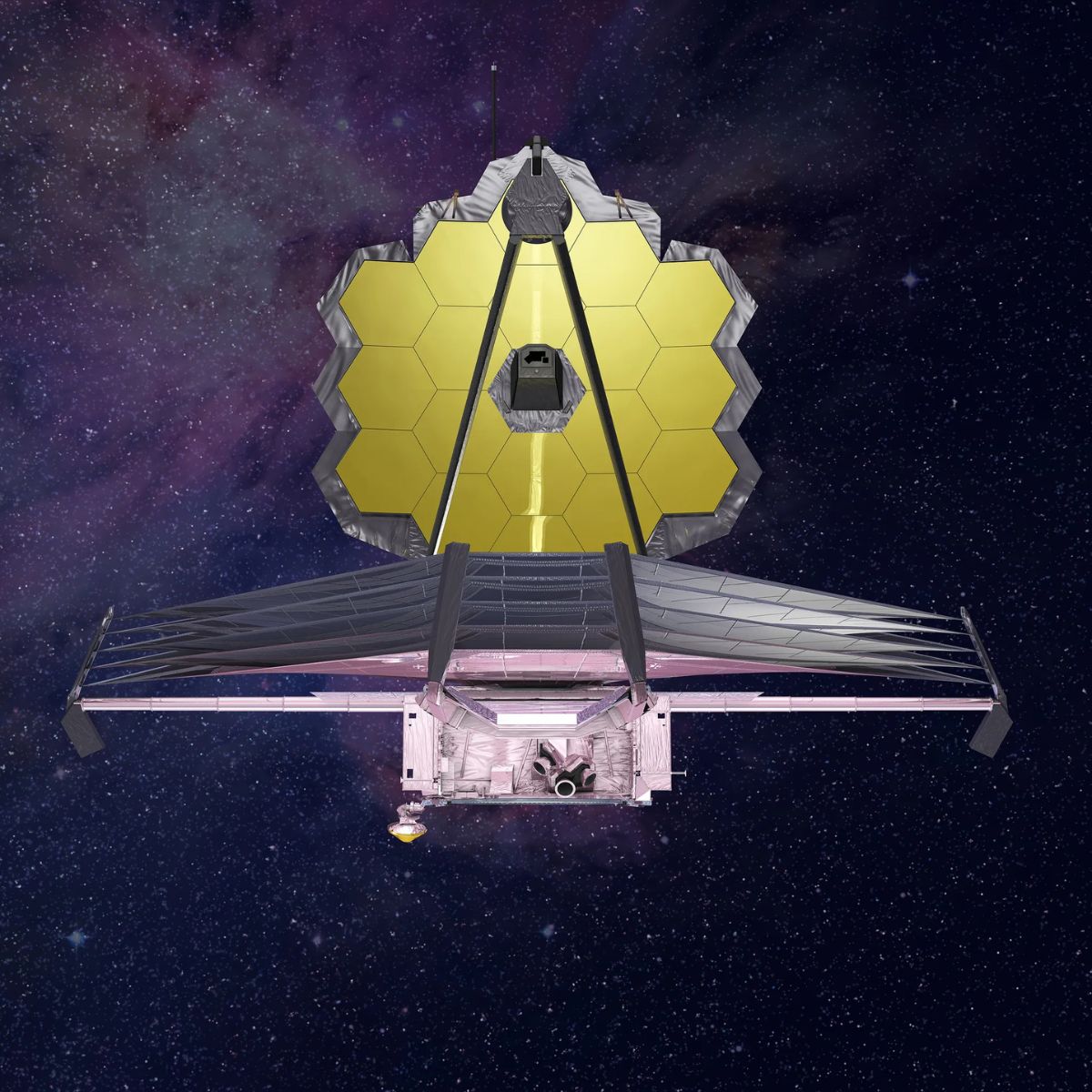
The James Webb Space Telescope (JWST) has identified a supermassive black hole that is expanding at an extraordinary rate in the early universe. This discovery offers significant insights into the formation and evolution of black holes during a time when the universe was less than a billion years old.
Located in a distant galaxy, this newly observed black hole is growing at a pace that challenges existing models of cosmic evolution. According to the European Space Agency (ESA), the black hole’s mass is estimated to be around 1.5 billion solar masses, making it one of the largest known from that period.
The findings provide a glimpse into the conditions that allowed such massive structures to develop so quickly. The research team utilized advanced observational techniques through the JWST, which is designed to peer further back in time than any previous telescope.
Significance of the Discovery
The implications of this discovery are profound. The black hole’s rapid growth suggests that the processes governing black hole formation may differ significantly from what scientists previously understood. This could lead to revised theories about how galaxies and their central black holes co-evolve.
Dr. Emma Turner, a leading astrophysicist involved in the study, stated, “This black hole is an extraordinary example of how quickly supermassive black holes can form in the early universe. It opens new avenues for research and challenges our understanding of cosmic history.”
These findings come at a time when astronomers are keenly focused on understanding the role of black holes in the universe. As more data is collected from the JWST, researchers expect to refine their models of black hole formation and growth.
Future Research Directions
The JWST’s capabilities allow scientists to investigate the surrounding environment of this supermassive black hole, providing context for its rapid growth. Understanding the influence of nearby galaxies and the availability of gas and dust will be crucial for further analysis.
This discovery is part of a broader effort to map the early universe and its structures. As researchers continue to study the data, they aim to uncover the mechanisms that led to the formation of such massive black holes within a relatively short time frame.
As the JWST continues to operate, astronomers anticipate more groundbreaking discoveries that could reshape our understanding of the universe. This black hole is just one of many examples highlighting the potential of the telescope to explore the cosmos and reveal its secrets.
The findings represent a significant step forward in cosmic research, emphasizing the importance of ongoing investment in space exploration and technology. The data collected by the JWST will likely fuel discussions and studies for years to come, as scientists strive to piece together the intricate puzzle of the universe’s evolution.

Study Links Hormone-Disrupting Chemicals to Skin Inflammation

Cape Cod Estate Near Kennedy Compound Hits Market at $21.5 Million

Trump’s Doctor Details MRI Findings from Annual Physical Exam

SpaceX Prepares for 60th Falcon 9 Launch from Vandenberg SFB

Giants Face Patriots in Key Monday Night Clash

Pakistan Petroleum Plans Artificial Island for Offshore Oil Production

Trump Urges Support in Crucial GOP Race Amid Polling Alarm

Austin Faces Chilly Showers Today, Sunny Weekend Ahead

Trump to Convene National Security Team on Venezuela Crisis Today

New ‘Star Trek: Voyager’ Game Demo Released, Players Test Limits

Global Air Forces Ranked by Annual Defense Budgets in 2025

ALMA Discovers Companion Orbiting Giant Red Star π 1 Gruis

Mass Production of F-35 Fighter Jet Drives Down Costs

Electrification Challenges Demand Advanced Multiphysics Modeling

Gold Investment Surge: Top Mutual Funds and ETF Alternatives

Time Crystals Revolutionize Quantum Computing Potential

DirecTV to Launch AI-Driven Ads with User Likenesses in 2026

Freeport Art Gallery Transforms Waste into Creative Masterpieces
-
 Top Stories2 months ago
New ‘Star Trek: Voyager’ Game Demo Released, Players Test Limits
-
 World2 months ago
Global Air Forces Ranked by Annual Defense Budgets in 2025
-
 Science2 weeks ago
ALMA Discovers Companion Orbiting Giant Red Star π 1 Gruis
-
 World2 months ago
Mass Production of F-35 Fighter Jet Drives Down Costs
-
 World2 months ago
Electrification Challenges Demand Advanced Multiphysics Modeling
-
 Business2 months ago
Gold Investment Surge: Top Mutual Funds and ETF Alternatives
-
 Science2 months ago
Time Crystals Revolutionize Quantum Computing Potential
-
 Top Stories2 months ago
DirecTV to Launch AI-Driven Ads with User Likenesses in 2026
-
 Entertainment2 months ago
Freeport Art Gallery Transforms Waste into Creative Masterpieces
-

 Business2 months ago
US Government Denies Coal Lease Bid, Impacting Industry Revival Efforts
-

 Health2 months ago
Gavin Newsom Critiques Trump’s Health and National Guard Plans
-

 Politics1 month ago
SEVENTEEN’s Mingyu Faces Backlash Over Alcohol Incident at Concert