
Top Stories
EU Freezes Russian Assets Indefinitely to Support Ukraine

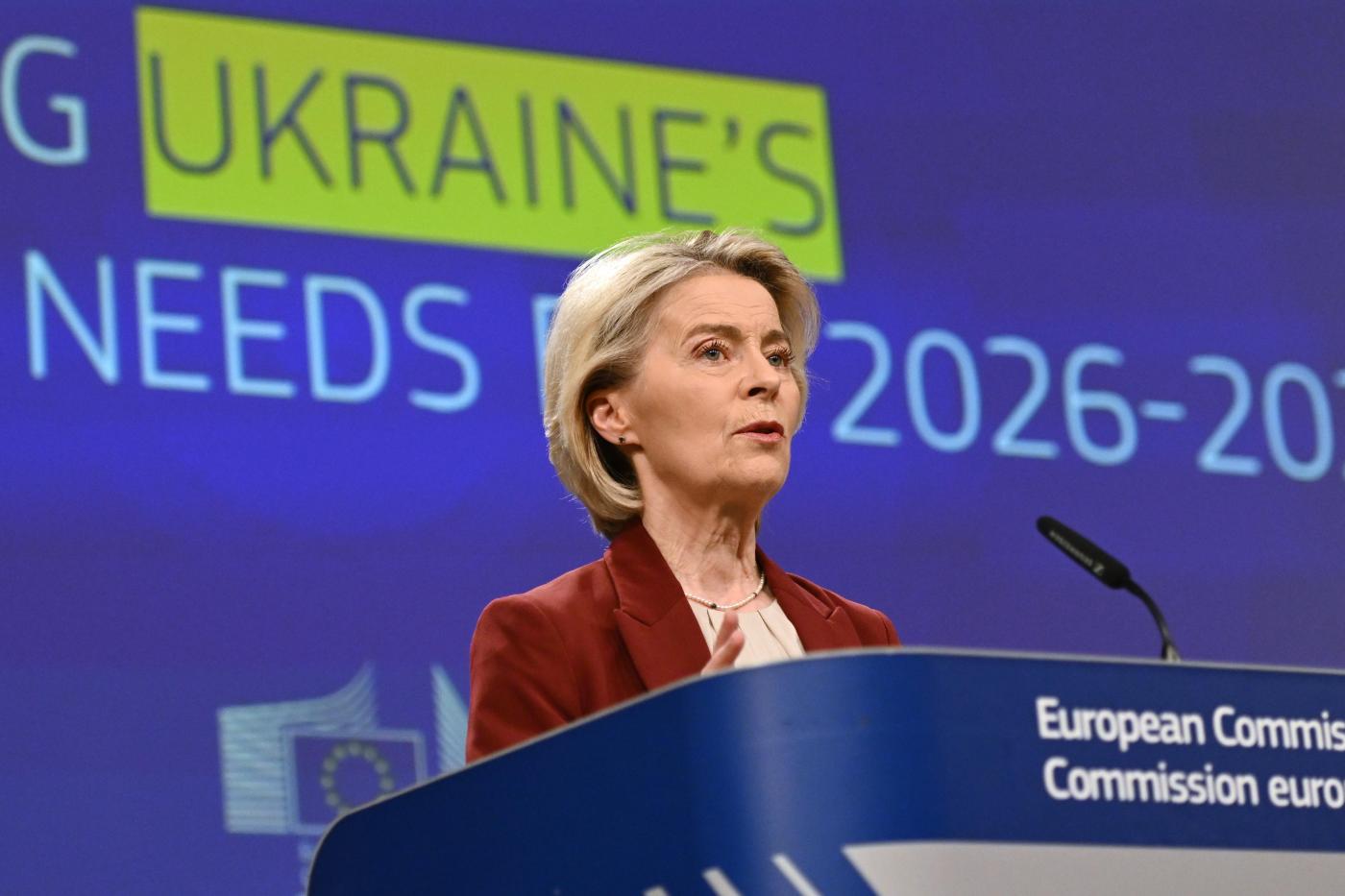
URGENT UPDATE: The European Union has just announced an indefinite freeze on Russian assets across Europe, a decisive move aimed at preventing Hungary and Slovakia from vetoing the use of these funds to support Ukraine. This bold decision, made on December 15, 2025, ensures billions of euros will be available to aid Ukraine amid its ongoing conflict with Russia.
The EU’s action comes as Hungary and Slovakia, under pro-Moscow leadership, have previously expressed opposition to funding Ukraine’s military needs. By blocking approximately €210 billion ($247 billion) in Russian assets, the EU aims to secure financial assistance for Ukraine without interference from these two nations. EU Council President António Costa emphasized the commitment made by European leaders to keep these assets immobilized until Russia ceases its aggression and compensates Ukraine for the extensive damage caused over nearly four years.
Costa stated, “Today we delivered on that commitment,” highlighting that this move is crucial for the upcoming summit on December 18, where EU leaders will strategize on utilizing these funds to support Ukraine’s financial and military stability through 2026-27.
The assets, predominantly held in Euroclear, a Belgian financial institution, were frozen as part of sanctions imposed on Russia following its invasion of Ukraine on February 24, 2022. These sanctions require renewal every six months, necessitating unanimous approval from all 27 EU member countries. The new freeze prevents Hungary and Slovakia from obstructing this process, making it easier to utilize the funds for Ukraine’s urgent needs.
Hungarian Prime Minister Viktor Orbán, a known ally of Russian President Vladimir Putin, criticized the EU’s move, claiming it undermines the rule of law within the bloc. He declared on social media, “the rule of law in the European Union comes to an end,” and accused the European Commission of “systematically raping European law” to prolong the conflict in Ukraine.
Slovak Prime Minister Robert Fico echoed Orbán’s sentiments, asserting that he would refuse any initiative that included covering Ukraine’s military expenses, warning that the use of frozen Russian assets might jeopardize U.S. peace efforts.
The EU has already provided nearly €200 billion ($235 billion) in support to Ukraine, and this latest action is seen as a necessary step to alleviate the financial burdens stemming from the ongoing war, which has significantly impacted energy prices and economic growth across Europe.
As international tensions rise, the EU’s decisive action to freeze Russian assets marks a pivotal moment in the battle to support Ukraine. Observers are now closely monitoring the outcomes of the forthcoming summit on December 18, where leaders will outline the next steps in securing Ukraine’s financial future.
Stay tuned for further developments on this critical issue.

Trump’s Redistricting Push Fails as Indiana Senators Rebel

Tech Sector Declines Weighs on U.S. Stock Market Performance

Caitlin Clark Returns to Competitive Play with USA Basketball

U.S. Immigrant Faces Deportation After Documenting Uyghur Camps

Southwest Airlines Partners with Austin to Create 2,000 Local Jobs

Timothée Chalamet Sparks Rumors with EsDeeKid Connection

Caitlin Clark Returns to USA Basketball After 5-Month Absence

Urgent: Fatal Stabbing in Compton Leaves Community Reeling

Father Receives Son’s Brain in Error from San Jose Mortuary

ALMA Discovers Companion Orbiting Giant Red Star π 1 Gruis

SEVENTEEN’s Mingyu Faces Backlash Over Alcohol Incident at Concert

New ‘Star Trek: Voyager’ Game Demo Released, Players Test Limits

Global Air Forces Ranked by Annual Defense Budgets in 2025

Electrification Challenges Demand Advanced Multiphysics Modeling

Mass Production of F-35 Fighter Jet Drives Down Costs

Gold Investment Surge: Top Mutual Funds and ETF Alternatives

Time Crystals Revolutionize Quantum Computing Potential

DirecTV to Launch AI-Driven Ads with User Likenesses in 2026
-
 Science4 weeks ago
ALMA Discovers Companion Orbiting Giant Red Star π 1 Gruis
-
 Politics2 months ago
SEVENTEEN’s Mingyu Faces Backlash Over Alcohol Incident at Concert
-
 Top Stories2 months ago
New ‘Star Trek: Voyager’ Game Demo Released, Players Test Limits
-
 World2 months ago
Global Air Forces Ranked by Annual Defense Budgets in 2025
-
 World2 months ago
Electrification Challenges Demand Advanced Multiphysics Modeling
-
 World2 months ago
Mass Production of F-35 Fighter Jet Drives Down Costs
-
 Business2 months ago
Gold Investment Surge: Top Mutual Funds and ETF Alternatives
-
 Science2 months ago
Time Crystals Revolutionize Quantum Computing Potential
-
 Top Stories2 months ago
DirecTV to Launch AI-Driven Ads with User Likenesses in 2026
-

 Entertainment2 months ago
Freeport Art Gallery Transforms Waste into Creative Masterpieces
-

 Business2 months ago
US Government Denies Coal Lease Bid, Impacting Industry Revival Efforts
-

 Health2 months ago
Gavin Newsom Critiques Trump’s Health and National Guard Plans