
Top Stories
HHS Drug Ad Crackdown Sparks Controversy Over Free Speech

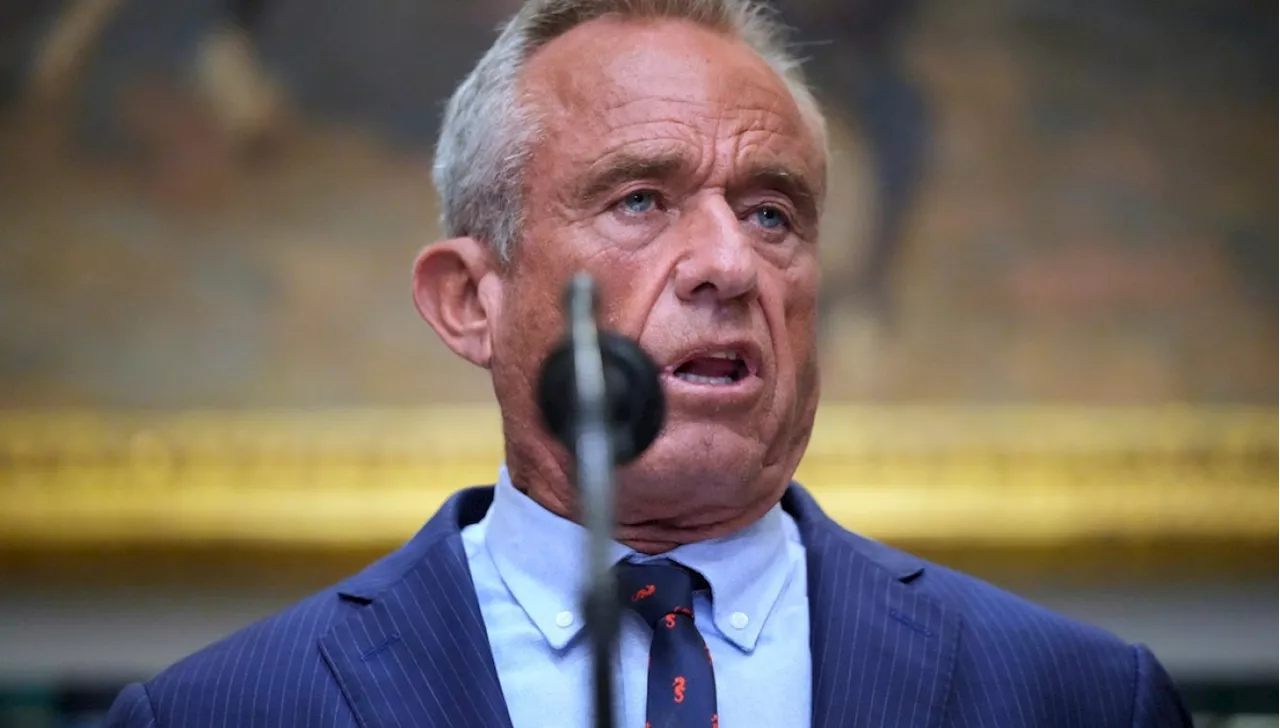
BREAKING: The U.S. Department of Health and Human Services (HHS) is facing backlash over proposed regulations that critics say could significantly restrict drug advertising, raising urgent concerns over patient access to vital health information. This crackdown comes as the HHS seeks to impose new rules that may effectively silence pharmaceutical advertisements due to excessive disclosure requirements.
Supporters of the current advertising regulations argue that these communications are essential for educating patients about new treatments and enabling informed discussions with healthcare providers. However, critics assert that the proposed changes are not merely regulatory adjustments; they threaten to infringe upon First Amendment rights, creating a chilling effect on free speech.
UPDATE: The controversy stems from a history of legal battles over drug advertising regulations. In 1995, a court ruled that HHS’s regulations were unconstitutional, prompting a necessary compromise that allowed drug companies to provide essential information without overwhelming consumers with excessive legal disclosures. This balance was reaffirmed in 1997, which aimed to ensure that patients receive scientifically substantiated information about medications.
According to legal experts, the current proposal from HHS could reverse these hard-won gains, potentially rendering legitimate advertisements impossible to run. The new disclosure requirements could add so much mandated language that ads could lose their core message, likening the situation to a de facto ban on crucial health communications.
“When patients are deprived of knowledge about new or emerging treatments, the result isn’t safety; it’s silence — and that silence can potentially kill,”
stated a leading health policy expert, highlighting the human impact of these proposed regulations.
Furthermore, proponents of patient education emphasize that direct-to-consumer (DTC) advertisements have historically driven millions to seek necessary medical care, leading to earlier diagnoses and improved health outcomes. The HHS and FDA must recognize that the solution to misinformation lies in transparency, not censorship.
As this situation unfolds, the implications for patients and healthcare providers could be profound. If these regulations take effect, consumers may find themselves less informed about treatment options, undermining years of progress in patient empowerment through accessible health information.
In a series of expected responses, stakeholders are calling on HHS to reconsider this approach. The ongoing debate underscores the critical balance between regulatory oversight and the fundamental right to free expression, particularly in the context of health communications that can significantly affect lives.
As the situation develops, health advocates and industry leaders are urging the public and lawmakers to pay close attention to these proposed changes. The future of drug advertising — and potentially the health of millions of Americans — hangs in the balance as the HHS considers its next steps.
Stay tuned for updates on this urgent issue, and share your thoughts on how this could impact patient care and free speech in healthcare.

Studio Gainax Officially Closes After 42 Years of Anime Legacy

Jewel Stuns Fans with Bikini Photos from Barbuda Getaway

** Engineers Achieve Breakthrough in Overcoming Gravity, Transforming Space Travel**

BTS Fans React Strongly to Jungkook Protest Truck Controversy

Nintendo Faces Memory Crisis as Costs Surge, Shares Drop

United States Dominates Canada 10-4 in Rivalry Series Showdown

U.S. and Japan Showcase Military Alliance with Bomber Flyover

Family Surprised by $330 Charge on GoFundMe Donation Due to Tipping

Celebrating the Life of Walter Clarence Gilliam, Community Leader

ALMA Discovers Companion Orbiting Giant Red Star π 1 Gruis

SEVENTEEN’s Mingyu Faces Backlash Over Alcohol Incident at Concert

New ‘Star Trek: Voyager’ Game Demo Released, Players Test Limits

Global Air Forces Ranked by Annual Defense Budgets in 2025

Mass Production of F-35 Fighter Jet Drives Down Costs

Electrification Challenges Demand Advanced Multiphysics Modeling

Gold Investment Surge: Top Mutual Funds and ETF Alternatives

Time Crystals Revolutionize Quantum Computing Potential

DirecTV to Launch AI-Driven Ads with User Likenesses in 2026
-
 Science4 weeks ago
ALMA Discovers Companion Orbiting Giant Red Star π 1 Gruis
-
 Politics2 months ago
SEVENTEEN’s Mingyu Faces Backlash Over Alcohol Incident at Concert
-
 Top Stories2 months ago
New ‘Star Trek: Voyager’ Game Demo Released, Players Test Limits
-
 World2 months ago
Global Air Forces Ranked by Annual Defense Budgets in 2025
-
 World2 months ago
Mass Production of F-35 Fighter Jet Drives Down Costs
-
 World2 months ago
Electrification Challenges Demand Advanced Multiphysics Modeling
-
 Business2 months ago
Gold Investment Surge: Top Mutual Funds and ETF Alternatives
-
 Science2 months ago
Time Crystals Revolutionize Quantum Computing Potential
-
 Top Stories2 months ago
DirecTV to Launch AI-Driven Ads with User Likenesses in 2026
-

 Entertainment2 months ago
Freeport Art Gallery Transforms Waste into Creative Masterpieces
-

 Business2 months ago
US Government Denies Coal Lease Bid, Impacting Industry Revival Efforts
-

 Health2 months ago
Gavin Newsom Critiques Trump’s Health and National Guard Plans