
Top Stories
New Docker Setup Cuts Cloud Costs to Zero in Just Days

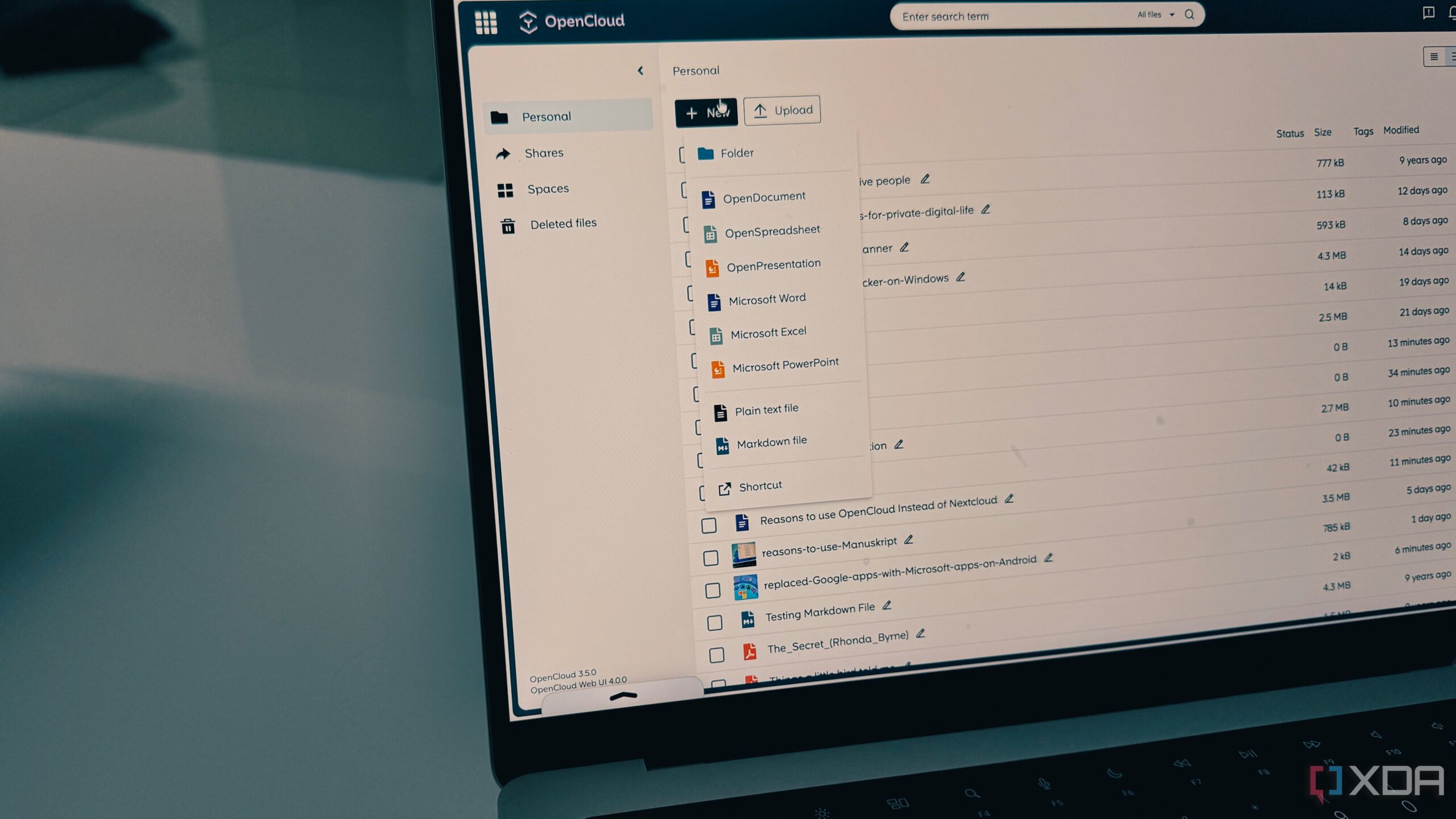
URGENT UPDATE: A revolutionary new approach to cloud storage has emerged, allowing users to eliminate subscription fees entirely within days. By utilizing just two Docker containers, individuals can achieve seamless file access and real-time synchronization without the hefty costs associated with traditional cloud services.
As cloud costs continue to creep up, a tech-savvy user has shared their success story of cutting their cloud bill to zero dollars. They achieved this remarkable feat by deploying Syncthing and OpenCloud, creating a private, high-performance file management system. This innovative setup not only keeps expenses at bay but also restores control over data management.
In a world where reliance on major cloud platforms like Google Drive and OneDrive can lead to rising fees and data vulnerability, this solution stands out. The user explained, “I don’t want a cloud at all – I just want two devices to talk to each other immediately.” They chose Syncthing for its ability to synchronize files directly between devices using local Wi-Fi, eliminating delays.
Notably, Syncthing transfers only the changes made within files, significantly reducing bandwidth usage and speeding up file sharing. For example, if a user edits a single paragraph in a large document, Syncthing only sends the updated data instead of re-uploading the entire file. This efficiency is especially beneficial for users managing large files, such as videos or high-resolution images.
Meanwhile, the OpenCloud container offers a centralized hub for file management, akin to the polished interfaces users find in major cloud services. Users can log in from any device and enjoy a user-friendly file manager that simplifies uploads, downloads, and browsing. “It proves that I don’t have to sacrifice enterprise-level tools for data privacy,” the user stated.
This shift towards a self-hosted Docker setup not only provides significant cost savings but also enhances security and control over personal data. By utilizing these two containers, users can replace their cloud subscriptions with a tailored solution that meets their individual needs.
For those looking to break free from the grip of big tech and regain their digital independence, this approach offers a compelling blueprint. With just a simple docker-compose up command, users can embark on their journey to cloud independence. Additionally, alternatives like File Browser are available for those seeking further customization options.
This development is generating buzz in the tech community, as more individuals seek ways to reduce costs while maintaining efficient file management. As the demand for privacy and data control grows, this two-container approach could reshape how we think about cloud services.
Stay tuned for more updates as this technology gains traction, and consider joining the movement towards a more efficient, cost-effective, and secure file management solution.

Japan’s PM Takaichi Vows Fiscal Management Amid Economic Shift

Bitcoin Plummets Below $88K Amid Tether Controversy

Tottenville Falls Short in PSAL 4A Title Game Against Erasmus

Shark Teeth Reveal Urgent Insights to Prevent Extinction Now

Englewood Church Members Rally After Thanksgiving Day Fire

Mayor Appoints Alan Wong as New District 4 Supervisor

UK Universities Embrace AI to Revolutionize Research Evaluation

Mikaela Shiffrin Claims 104th World Cup Victory at Copper Mountain

Trump Promises MRI Results Amid Uncertainty Over Scan Details

New ‘Star Trek: Voyager’ Game Demo Released, Players Test Limits

Global Air Forces Ranked by Annual Defense Budgets in 2025

Mass Production of F-35 Fighter Jet Drives Down Costs

ALMA Discovers Companion Orbiting Giant Red Star π 1 Gruis

Electrification Challenges Demand Advanced Multiphysics Modeling

Gold Investment Surge: Top Mutual Funds and ETF Alternatives

Time Crystals Revolutionize Quantum Computing Potential

DirecTV to Launch AI-Driven Ads with User Likenesses in 2026

Freeport Art Gallery Transforms Waste into Creative Masterpieces
-
 Top Stories2 months ago
New ‘Star Trek: Voyager’ Game Demo Released, Players Test Limits
-
 World2 months ago
Global Air Forces Ranked by Annual Defense Budgets in 2025
-
 World2 months ago
Mass Production of F-35 Fighter Jet Drives Down Costs
-
 Science2 weeks ago
ALMA Discovers Companion Orbiting Giant Red Star π 1 Gruis
-
 World2 months ago
Electrification Challenges Demand Advanced Multiphysics Modeling
-
 Business2 months ago
Gold Investment Surge: Top Mutual Funds and ETF Alternatives
-
 Science2 months ago
Time Crystals Revolutionize Quantum Computing Potential
-
 Top Stories2 months ago
DirecTV to Launch AI-Driven Ads with User Likenesses in 2026
-
 Entertainment2 months ago
Freeport Art Gallery Transforms Waste into Creative Masterpieces
-

 Business2 months ago
US Government Denies Coal Lease Bid, Impacting Industry Revival Efforts
-

 Health1 month ago
Gavin Newsom Critiques Trump’s Health and National Guard Plans
-

 Lifestyle1 month ago
Discover Reese Witherspoon’s Chic Dining Room Style for Under $25