
Top Stories
New Research Unveils Key Cause of Long COVID, Paving Way for Treatments

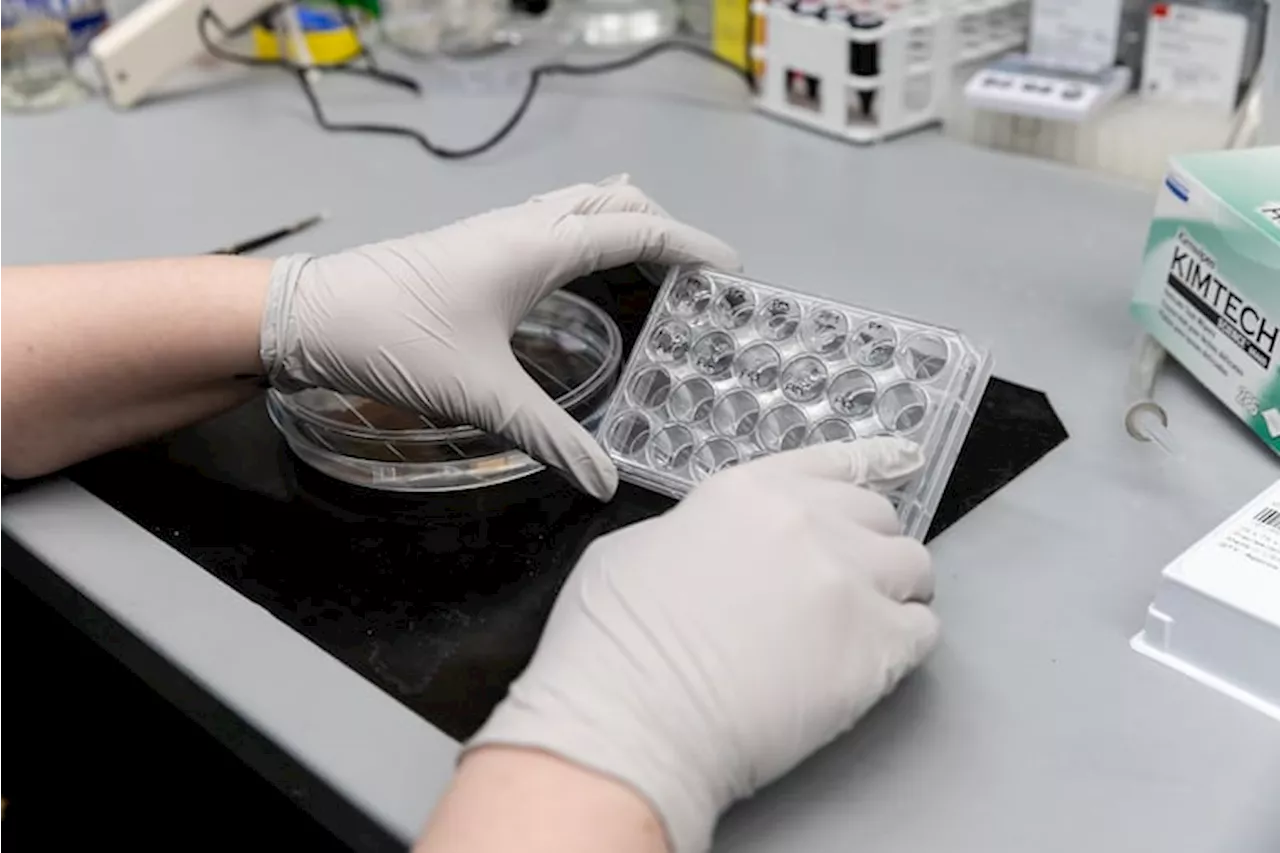
UPDATE: New research from the Yale School of Medicine reveals that chronic inflammation may be a major cause of long COVID, a condition impacting over 400 million individuals globally. The findings, published in Nature Immunology on October 27, 2023, could unlock new treatment avenues for those suffering from lingering COVID-19 symptoms.
This urgent study indicates that individuals with long COVID exhibit heightened immune responses and inflammation lasting more than six months post-infection. Lead author Dan Barouch, a prominent virologist, stated, “This research leads to a hypothesis that there might be therapeutic targets related to inflammation that might be worth exploring in clinical studies.”
The study analyzed data from 180 participants from two cohorts: one from 2020 to 2021 and another from 2023 to 2024. Researchers observed that specific inflammatory pathways remained activated in those with long COVID, suggesting that initial COVID-19 infections could trigger chronic inflammation in the body.
Experts, including Ziyad Al-Aly from Washington University in St. Louis, emphasized the importance of these findings. “It’s eye-opening; it gives us more information about the pathways activated in long COVID patients,” he said. Currently, there are no approved medications specifically for treating long COVID, leaving healthcare providers to manage symptoms individually.
Long COVID manifests in various symptoms, including brain fog, fatigue, and heart palpitations, persisting for weeks, months, or even years after the initial infection. The World Health Organization warns that anyone can develop this condition, regardless of the severity of their initial COVID-19 symptoms.
Barouch pointed out that while the study has limitations, including a small participant group, the research’s implications are significant. He has initiated a clinical trial testing an anti-inflammatory drug typically used for eczema, aimed at targeting the inflammation pathways identified in the study.
Despite previous trials, such as one involving the antiviral Paxlovid, showing limited effectiveness for long COVID, Barouch remains optimistic. “Identification of chronic inflammation associated with long COVID will lead to therapeutic strategies that include anti-inflammatory drugs,” he added.
The research marks a pivotal shift in understanding long COVID, moving focus away from viral persistence to the role of inflammation. Alba Azola, a rehabilitation physician at Johns Hopkins Medicine, stated, “For too long, the field has concentrated on viral-specific interventions; this study highlights the need for broader treatment strategies.”
As this study gains attention, the potential for new, effective treatments for long COVID is within reach. With millions affected worldwide, the urgency for innovative solutions has never been more critical. Readers are encouraged to share this vital news as more developments unfold.

Fallout Season 2 Debuts: Major Threats Emerge in Premiere

Attleboro High Girls Basketball Edges Canton in Thrilling Opener

California DMV Issues Ultimatum to Tesla Over ‘Autopilot’ Claims

Stephen King’s Top 10 Novellas: Must-Read Titles Revealed Now

Pentagon Escalates Investigation into Sen. Mark Kelly Amid Clash

Dior and Rizzoli Launch Book Celebrating 10 Years of Lady Art

Chris Young Addresses Rangers’ Payroll Situation: Urgent Changes Ahead

New Research Unveils Key Cause of Long COVID, Paving Way for Treatments

Washington State Faces Severe Flooding Crisis; Governor Warns of More

ALMA Discovers Companion Orbiting Giant Red Star π 1 Gruis

SEVENTEEN’s Mingyu Faces Backlash Over Alcohol Incident at Concert

New ‘Star Trek: Voyager’ Game Demo Released, Players Test Limits

Global Air Forces Ranked by Annual Defense Budgets in 2025

Electrification Challenges Demand Advanced Multiphysics Modeling

Mass Production of F-35 Fighter Jet Drives Down Costs

Gold Investment Surge: Top Mutual Funds and ETF Alternatives

Time Crystals Revolutionize Quantum Computing Potential

DirecTV to Launch AI-Driven Ads with User Likenesses in 2026
-
 Science1 month ago
ALMA Discovers Companion Orbiting Giant Red Star π 1 Gruis
-
 Politics2 months ago
SEVENTEEN’s Mingyu Faces Backlash Over Alcohol Incident at Concert
-
 Top Stories2 months ago
New ‘Star Trek: Voyager’ Game Demo Released, Players Test Limits
-
 World2 months ago
Global Air Forces Ranked by Annual Defense Budgets in 2025
-
 World2 months ago
Electrification Challenges Demand Advanced Multiphysics Modeling
-
 World2 months ago
Mass Production of F-35 Fighter Jet Drives Down Costs
-
 Business2 months ago
Gold Investment Surge: Top Mutual Funds and ETF Alternatives
-
 Science2 months ago
Time Crystals Revolutionize Quantum Computing Potential
-
 Top Stories2 months ago
DirecTV to Launch AI-Driven Ads with User Likenesses in 2026
-

 Entertainment2 months ago
Freeport Art Gallery Transforms Waste into Creative Masterpieces
-

 Business2 months ago
US Government Denies Coal Lease Bid, Impacting Industry Revival Efforts
-

 Health2 months ago
Gavin Newsom Critiques Trump’s Health and National Guard Plans