
Top Stories
New Social Media Screening for Visa-Free Travelers to the US

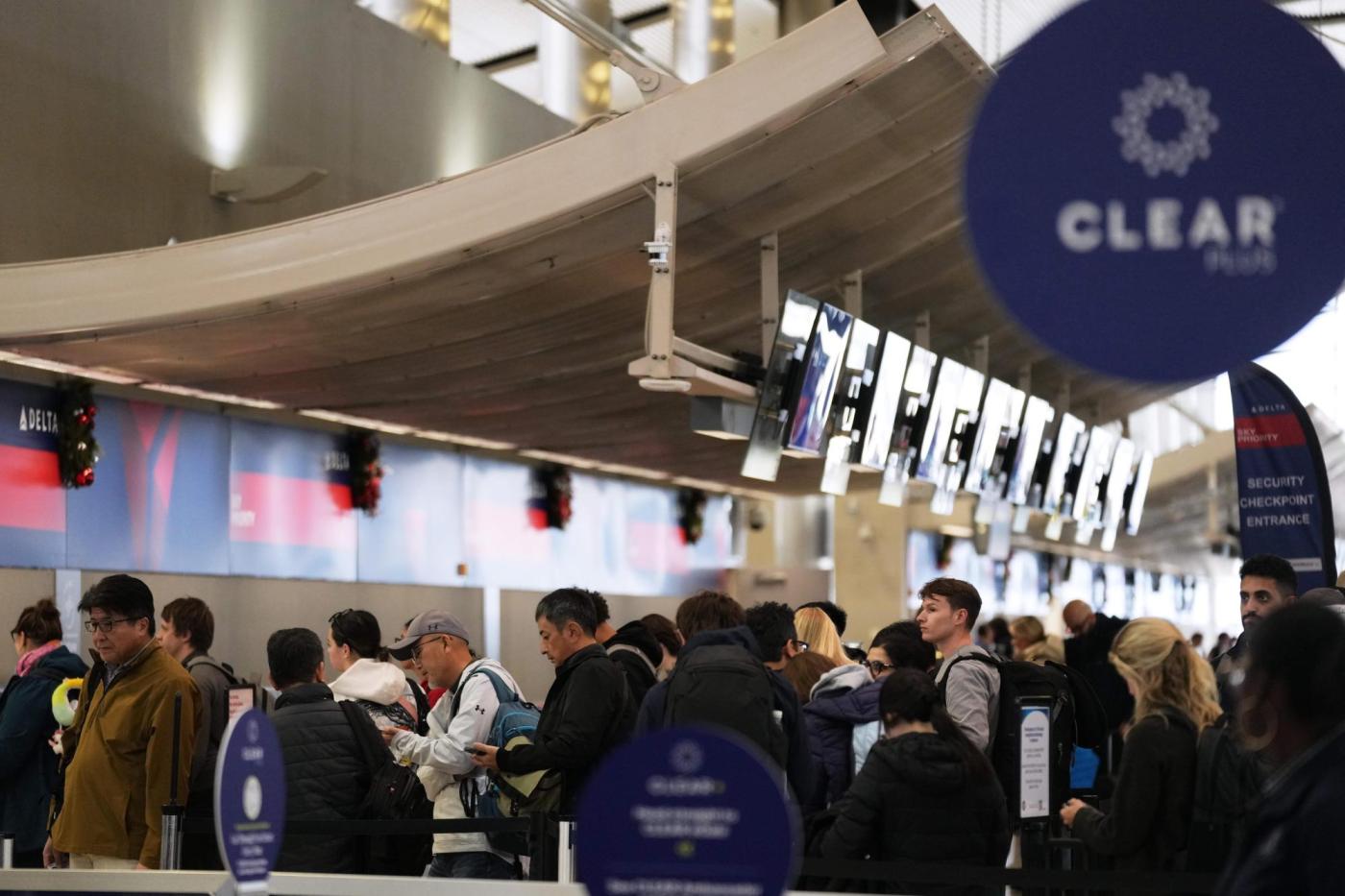
UPDATE: New social media screening requirements for foreigners traveling to the United States without a visa are on the horizon. The Department of Homeland Security (DHS) has announced plans that could soon compel travelers from select countries to disclose extensive social media and personal information prior to their approved travel.
Published on Wednesday, October 4, 2023, in the Federal Register, the proposal from Customs and Border Protection (CBP) outlines a significant shift in the application process for travelers participating in the Visa Waiver Program. Under these new measures, individuals could be required to submit up to five years of social media history, email accounts, and detailed family information to the DHS.
This announcement affects citizens from over 40 countries—predominantly in Europe and Asia—who currently enjoy visa-free entry into the U.S. for tourism or business. Unlike traditional visa applicants, these travelers do not undergo in-person interviews at embassies or consulates, making this proposed change particularly impactful.
The CBP intends to collect a range of personal data, including telephone numbers used over the past five years and email addresses from the last decade. Additionally, applicants would need to provide metadata from electronically submitted photos, as well as detailed information about family members, such as their places of birth and contact numbers.
The public will have 60 days to comment on these proposed changes, which could transform the travel landscape for millions. The current application process under the Electronic System for Travel Authorization (ESTA) only requires basic information, such as parents’ names and current email addresses.
This move is part of ongoing efforts to enhance national security, as mandated by an executive order signed by former President Donald Trump in January 2023. The order emphasizes increased scrutiny for travelers entering the U.S., aiming to mitigate potential security threats.
Currently, travelers from non-Visa Waiver countries already provide their social media information, a policy initiated during the Trump administration. However, citizens from visa waiver nations have been exempt from this requirement until now. Immigration and civil rights advocates are voicing concerns that these new policies may infringe on free speech rights and disproportionately target individuals critical of government policies.
As public discourse continues to unfold, the implications of this proposed policy could be far-reaching. With heightened scrutiny on social media accounts, travelers may face challenges in their ability to enter the U.S. Refusing to publicize social media accounts could potentially result in visa denials, creating a climate of fear among those looking to visit America.
With the deadline for public comments fast approaching, stakeholders across the globe are closely monitoring this situation. What happens next remains to be seen, but travelers and civil rights advocates alike are preparing for what could be a significant overhaul of the travel process to the U.S.
Stay tuned for more updates as this developing story evolves.

NASA Loses Contact with Maven Spacecraft Orbiting Mars

Major $242M Renovation Transforms MSP Airport’s Terminal 1

Krispy Kreme Offers Dozen Doughnuts for $1 on One Day Only

Stanley Roberts Discusses “People Behaving Badly” on 102.9 Radio

Identify Flu or COVID-19: Key Symptoms for Differentiation

Ohio Homeless Services Face Funding Cuts Despite Rising Demand

US Plans New Social Media Screening for Visa Waiver Travelers

Researchers Identify Protein Linked to Necroptosis, Paving Way for Treatments

New Social Media Screening for Visa-Free Travelers to the US

ALMA Discovers Companion Orbiting Giant Red Star π 1 Gruis

New ‘Star Trek: Voyager’ Game Demo Released, Players Test Limits

SEVENTEEN’s Mingyu Faces Backlash Over Alcohol Incident at Concert

Global Air Forces Ranked by Annual Defense Budgets in 2025

Electrification Challenges Demand Advanced Multiphysics Modeling

Mass Production of F-35 Fighter Jet Drives Down Costs

Gold Investment Surge: Top Mutual Funds and ETF Alternatives

Time Crystals Revolutionize Quantum Computing Potential

DirecTV to Launch AI-Driven Ads with User Likenesses in 2026
-
 Science4 weeks ago
ALMA Discovers Companion Orbiting Giant Red Star π 1 Gruis
-
 Top Stories2 months ago
New ‘Star Trek: Voyager’ Game Demo Released, Players Test Limits
-
 Politics2 months ago
SEVENTEEN’s Mingyu Faces Backlash Over Alcohol Incident at Concert
-
 World2 months ago
Global Air Forces Ranked by Annual Defense Budgets in 2025
-
 World2 months ago
Electrification Challenges Demand Advanced Multiphysics Modeling
-
 World2 months ago
Mass Production of F-35 Fighter Jet Drives Down Costs
-
 Business2 months ago
Gold Investment Surge: Top Mutual Funds and ETF Alternatives
-
 Science2 months ago
Time Crystals Revolutionize Quantum Computing Potential
-
 Top Stories2 months ago
DirecTV to Launch AI-Driven Ads with User Likenesses in 2026
-

 Entertainment2 months ago
Freeport Art Gallery Transforms Waste into Creative Masterpieces
-

 Health2 months ago
Gavin Newsom Critiques Trump’s Health and National Guard Plans
-

 Business2 months ago
US Government Denies Coal Lease Bid, Impacting Industry Revival Efforts