
Top Stories
Porsche Faces 26% Drop in China Sales Amid Fierce EV Competition

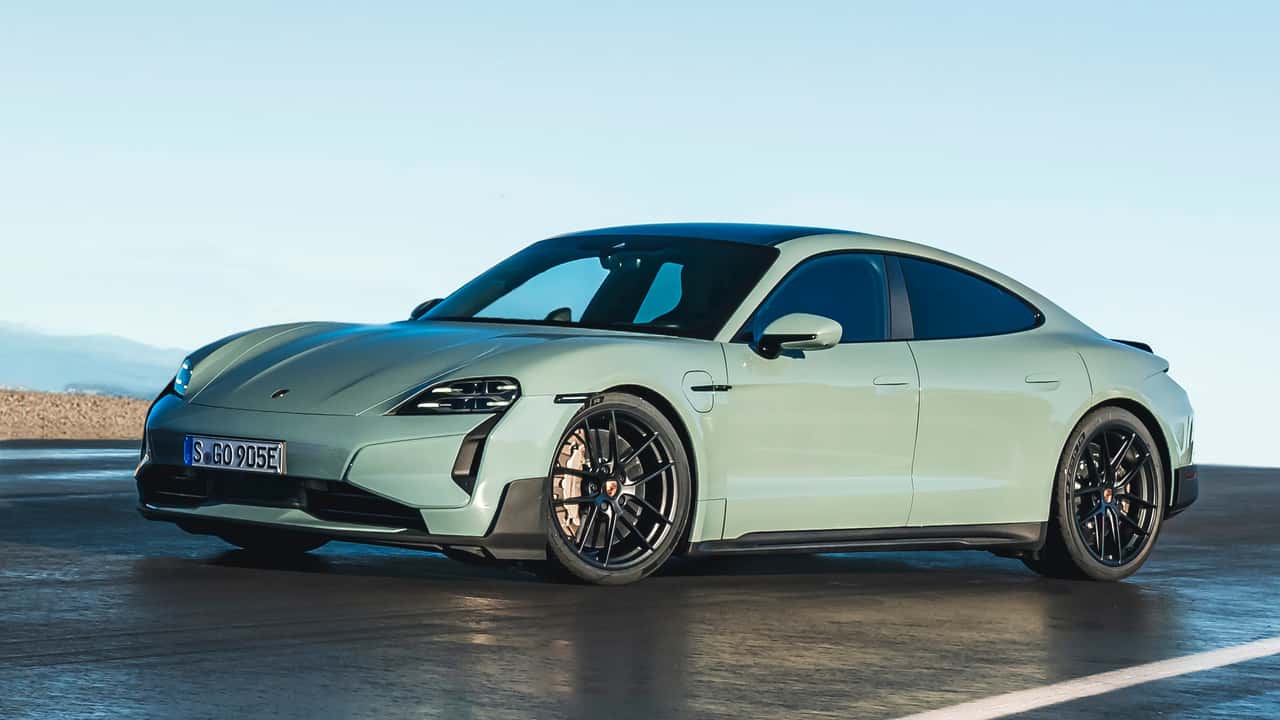
UPDATE: Porsche is grappling with a staggering 26% decline in sales in China, as competition from local automakers intensifies. The luxury carmaker reported only 56,887 cars sold in 2024, marking a dramatic fall of 28% compared to the previous year.
Officials at Porsche are sounding the alarm, stating that the pace of innovation among Chinese automakers is nothing short of “breathtaking.” In an urgent interview with German business newspaper Automobilwoche, Porsche China CEO Alexander Pollich highlighted the fierce competition, declaring, “There is a veritable flood of electric sedans in completely different price segments.”
This significant drop in sales coincides with a recent shift in the luxury tax threshold in China, which was reduced from 1.3 million yuan ($184,000) to 900,000 yuan ($127,000) on July 20, 2023. This change has made luxury vehicles even less affordable for consumers, with the average net price of a new Porsche hovering below 1 million yuan ($141,000).
In response to the challenging market conditions, Porsche has announced a strategic plan dubbed “Winning Back China.” However, Pollich admits that returning to previous sales levels is unrealistic. The company is scaling back its presence in the region, reducing its dealerships from 150 to 120 in 2024, with plans to cut down to 80 by the end of next year.
The remaining dealerships are eagerly anticipating the release of upcoming combustion-engine SUVs, as Porsche has confirmed plans to replace the original Macan with a new gas-powered model. Additionally, a three-row SUV initially slated to be exclusively electric will launch first with combustion engines.
Despite the setbacks, Porsche remains committed to electric vehicles under the “Winning Back China” strategy. The company is set to launch the Cayenne Electric locally and introduce the highly anticipated 718 EV, which Pollich claims will be “unique in China in terms of its sportiness.”
Looking ahead, Pollich warns of a “challenging” 2026, as the new gas-fueled SUVs won’t be available until later in the decade. Porsche is also not considering a spin-off brand to rejuvenate sales, despite the success of similar strategies from competitors.
The news is alarming not just for Porsche; other luxury brands are feeling the pinch as well. The BMW Group experienced a 13% drop last year, while Mercedes fell by 7%, and Audi saw a 10.9% decline. The rise of local automakers is reshaping the competitive landscape, offering unbeatable pricing especially in the EV segment.
Porsche’s struggle highlights the urgent need for adaptation in a rapidly changing market. As the company pivots toward combustion engines while still investing in electric options, it remains to be seen how effectively it can reclaim its foothold in China’s luxury automotive sector.
Stay tuned for further updates as this situation develops.

Jason Collins Reveals Stage 4 Glioblastoma Diagnosis, Vows to Fight

Ciena Surges with Strong Earnings Report and Positive Guidance

EU Investigates China’s Nuctech Over Foreign Subsidies

Willmar School Board Approves 2.19% Levy Increase for 2026

Rowan Atkinson Shares Candid Thoughts on Mr. Bean Character

Infant Botulism Outbreak Grows, 51 Babies Affected Across U.S.

Tommy’s Express Car Wash Hosts Fundraising Event in Fremont

Porsche Faces 26% Drop in China Sales Amid Fierce EV Competition

Chris Culliver Announces Urgent Transfer from UNC Football

ALMA Discovers Companion Orbiting Giant Red Star π 1 Gruis

SEVENTEEN’s Mingyu Faces Backlash Over Alcohol Incident at Concert

New ‘Star Trek: Voyager’ Game Demo Released, Players Test Limits

Global Air Forces Ranked by Annual Defense Budgets in 2025

Mass Production of F-35 Fighter Jet Drives Down Costs

Electrification Challenges Demand Advanced Multiphysics Modeling

Gold Investment Surge: Top Mutual Funds and ETF Alternatives

Time Crystals Revolutionize Quantum Computing Potential

DirecTV to Launch AI-Driven Ads with User Likenesses in 2026
-
 Science4 weeks ago
ALMA Discovers Companion Orbiting Giant Red Star π 1 Gruis
-
 Politics2 months ago
SEVENTEEN’s Mingyu Faces Backlash Over Alcohol Incident at Concert
-
 Top Stories2 months ago
New ‘Star Trek: Voyager’ Game Demo Released, Players Test Limits
-
 World2 months ago
Global Air Forces Ranked by Annual Defense Budgets in 2025
-
 World2 months ago
Mass Production of F-35 Fighter Jet Drives Down Costs
-
 World2 months ago
Electrification Challenges Demand Advanced Multiphysics Modeling
-
 Business2 months ago
Gold Investment Surge: Top Mutual Funds and ETF Alternatives
-
 Science2 months ago
Time Crystals Revolutionize Quantum Computing Potential
-
 Top Stories2 months ago
DirecTV to Launch AI-Driven Ads with User Likenesses in 2026
-

 Entertainment2 months ago
Freeport Art Gallery Transforms Waste into Creative Masterpieces
-

 Business2 months ago
US Government Denies Coal Lease Bid, Impacting Industry Revival Efforts
-

 Health2 months ago
Gavin Newsom Critiques Trump’s Health and National Guard Plans