
Top Stories
San Antonio Family Urges DNA Testing in Gacy Case, 50 Years Later

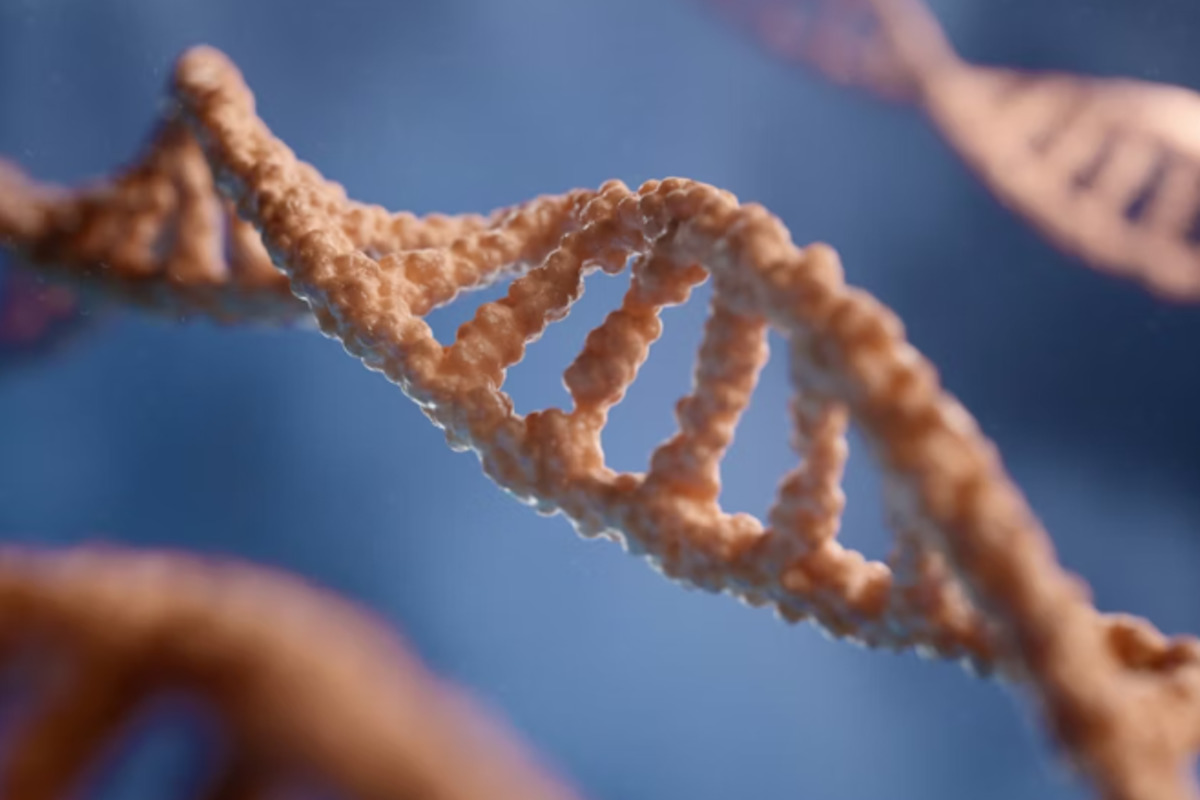
UPDATE: A San Antonio family is urgently seeking answers as DNA testing on remains linked to notorious serial killer John Wayne Gacy could provide closure nearly 50 years after their relative disappeared. The family is closely monitoring developments from Chicago, where investigators have reopened efforts to identify unidentified victims exhumed from Gacy’s property.
Local reports indicate that the family is pressuring authorities to compare their DNA with the remains that have been analyzed. They have also reached out to the community for any information regarding their missing relative, who vanished in 1975, to help trace his last known movements.
In a significant move, the Cook County Sheriff’s Office has reinvigorated identification processes using modern forensic sequencing and genealogical resources. This renewed effort has already led to identifications of previously unnamed victims, providing hope for families nationwide considering if their missing loved ones could correspond with Gacy’s unidentified victims.
According to the DNA Doe Project, nonprofit genetic-genealogy teams are collaborating with detectives to utilize DNA from teeth and bones. This material is sequenced and compared to public genealogy databases, allowing investigators to build family trees and narrow down potential identities. This method successfully identified a Gacy victim in 2021, but officials caution that degraded samples may hinder solving some cases.
As the investigation continues, several remains from Gacy’s property remain unnamed, making cross-checking with ongoing missing-person reports essential for families desperate for closure. Projects like the Doe Network compile public case files that assist investigators and families in tracking potential connections.
Families across the country, including the one in San Antonio, are now eagerly following every new development. Experts advise relatives to either file or update missing-person reports, safeguard dental records, and collaborate with law enforcement to submit family-reference DNA. The federal NamUs system also provides free forensic services and family DNA kits to support these efforts.
The family in San Antonio is committed to urging investigators to expedite DNA comparisons while requesting privacy during this emotional time. Their hope is clear: to finally receive a name and bring an end to five decades of uncertainty.
As this situation unfolds, families and communities remain vigilant, hoping for breakthroughs that could provide answers in this long-standing mystery. Stay tuned for further updates as more information emerges.

Austin Faces Chilly Showers Today, Sunny Weekend Ahead

Trump to Convene National Security Team on Venezuela Crisis Today

Thanksgiving Leftovers At Risk: Experts Warn About Turkey Safety

Hit-Boy Reveals Top 20 Nas Songs, Celebrating Hip-Hop’s Revival

Trump Issues Ultimatum to Maduro; Venezuela Closes Airspace

Evanescence Announces 2026 World Tour, Bay Area Date Set!

World CopperSmith and Anna Dinger Unveil Stunning Kitchen Renovation

Fever’s Candlelight Concerts Offer Up to 30% Off for Cyber Monday

Prepare for Tooth Extraction: Key Steps for a Smooth Process

New ‘Star Trek: Voyager’ Game Demo Released, Players Test Limits

Global Air Forces Ranked by Annual Defense Budgets in 2025

ALMA Discovers Companion Orbiting Giant Red Star π 1 Gruis

Mass Production of F-35 Fighter Jet Drives Down Costs

Electrification Challenges Demand Advanced Multiphysics Modeling

Gold Investment Surge: Top Mutual Funds and ETF Alternatives

Time Crystals Revolutionize Quantum Computing Potential

DirecTV to Launch AI-Driven Ads with User Likenesses in 2026

Freeport Art Gallery Transforms Waste into Creative Masterpieces
-
 Top Stories2 months ago
New ‘Star Trek: Voyager’ Game Demo Released, Players Test Limits
-
 World2 months ago
Global Air Forces Ranked by Annual Defense Budgets in 2025
-
 Science2 weeks ago
ALMA Discovers Companion Orbiting Giant Red Star π 1 Gruis
-
 World2 months ago
Mass Production of F-35 Fighter Jet Drives Down Costs
-
 World2 months ago
Electrification Challenges Demand Advanced Multiphysics Modeling
-
 Business2 months ago
Gold Investment Surge: Top Mutual Funds and ETF Alternatives
-
 Science2 months ago
Time Crystals Revolutionize Quantum Computing Potential
-
 Top Stories2 months ago
DirecTV to Launch AI-Driven Ads with User Likenesses in 2026
-
 Entertainment2 months ago
Freeport Art Gallery Transforms Waste into Creative Masterpieces
-

 Business2 months ago
US Government Denies Coal Lease Bid, Impacting Industry Revival Efforts
-

 Health2 months ago
Gavin Newsom Critiques Trump’s Health and National Guard Plans
-

 Politics1 month ago
SEVENTEEN’s Mingyu Faces Backlash Over Alcohol Incident at Concert