
World
British Airways Expands A350-1000 Operations to US Routes in 2026

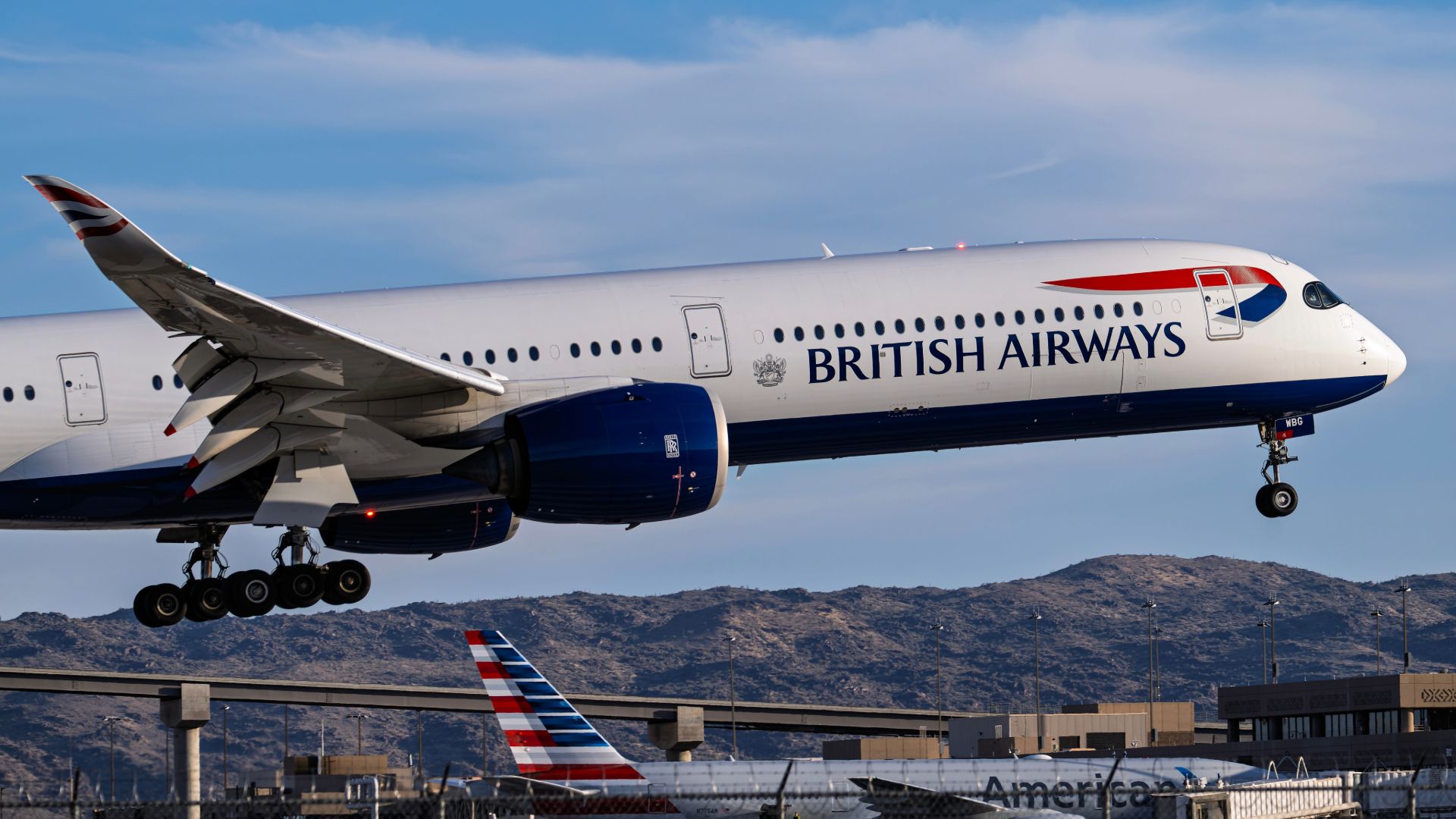
British Airways is set to enhance its transatlantic service by introducing the Airbus A350-1000 on additional US routes in 2026. This modern aircraft has played a pivotal role in the airline’s fleet modernization efforts since its initial delivery in July 2019. The decision to expand its use on US routes underscores the carrier’s commitment to providing efficient and comfortable travel options.
The A350-1000 was ordered by British Airways in 2013, with the airline signing for 18 aircraft and options for another 18. These planes were primarily intended to replace the aging fleet of Boeing 747s, as well as some older Boeing 767s and 777s. With a focus on modernizing long-haul operations, the A350-1000 has become a cornerstone of British Airways’ strategy.
Enhanced US Route Network Starting March 2026
According to data from aviation analytics provider Cirium, British Airways has scheduled over 9,000 A350-1000 flights across various international destinations this year, including major cities in Asia like Tokyo Haneda and Mumbai. The airline has also established a significant presence in the US market since introducing the A350-1000 on routes to cities such as Denver, Philadelphia, and Washington Dulles.
From March 29, 2026, British Airways plans to operate the A350-1000 on its daily service from London Heathrow to Nashville, replacing the current Boeing 777-200ER. This route has historically featured a mix of aircraft, including the Boeing 787-8 during winter months and the 777-200ER in summer, raising questions about the A350-1000’s future deployment.
Overall, the A350-1000 will cover eight US routes, some of which will have year-round service while others will see seasonal adjustments. The integration of this aircraft is expected to optimize British Airways’ transatlantic schedule, aligning with passenger demand fluctuations.
Expanding Footprint in Major US Cities
Since entering service, the A350-1000 has significantly contributed to British Airways’ operations within the United States. The first scheduled service to the US commenced in March 2020 between London Heathrow and Washington Dulles. By July of that year, the airline expanded its A350-1000 service to include Boston and later Chicago.
British Airways has also utilized the A350-1000 on key routes to Los Angeles, New York JFK, Atlanta, and Miami. These adjustments reflect seasonal demand patterns and the airline’s strategic aircraft rotations. For the remainder of 2025, British Airways anticipates over 300 A350-1000 flights to various US destinations, including daily services to Las Vegas, Phoenix, Austin, and Philadelphia.
Beginning with the northern winter season on October 26, 2025, the airline will replace the Airbus A380 with the A350-1000 on its Dallas/Fort Worth route, while the Denver service will transition to Boeing 777 operations.
The A350-1000’s introduction aligns seamlessly with British Airways’ long-haul fleet strategy. The aircraft offers a balance of range, efficiency, and passenger comfort, boasting a 25% reduction in fuel burn and operating costs compared to older models, as well as a 40% smaller noise footprint.
Equipped with advanced materials such as carbon composites and titanium, the A350-1000 supports British Airways’ sustainability initiatives while maintaining operational cost-effectiveness. Additionally, this aircraft was the first to feature the airline’s latest Club Suite business class, providing passengers with direct aisle access and a fully flat 79-inch bed.
In comparison to the Boeing 777-300ER, the A350-1000 offers a similar passenger experience but with quieter operations and enhanced fuel efficiency. It accommodates more passengers than the 787-9 and outperforms the 787-10 in terms of range, allowing British Airways to effectively serve long-haul, premium-heavy routes across Asia, Africa, and the Americas.
As British Airways continues to modernize its fleet and expand its US route offerings, the A350-1000 stands out as a vital asset in meeting evolving passenger needs and enhancing the overall travel experience.

Studio Gainax Officially Closes After 42 Years of Anime Legacy

Jewel Stuns Fans with Bikini Photos from Barbuda Getaway

** Engineers Achieve Breakthrough in Overcoming Gravity, Transforming Space Travel**

BTS Fans React Strongly to Jungkook Protest Truck Controversy

Nintendo Faces Memory Crisis as Costs Surge, Shares Drop

United States Dominates Canada 10-4 in Rivalry Series Showdown

U.S. and Japan Showcase Military Alliance with Bomber Flyover

Family Surprised by $330 Charge on GoFundMe Donation Due to Tipping

Celebrating the Life of Walter Clarence Gilliam, Community Leader

ALMA Discovers Companion Orbiting Giant Red Star π 1 Gruis

New ‘Star Trek: Voyager’ Game Demo Released, Players Test Limits

SEVENTEEN’s Mingyu Faces Backlash Over Alcohol Incident at Concert

Global Air Forces Ranked by Annual Defense Budgets in 2025

Mass Production of F-35 Fighter Jet Drives Down Costs

Electrification Challenges Demand Advanced Multiphysics Modeling

Gold Investment Surge: Top Mutual Funds and ETF Alternatives

Time Crystals Revolutionize Quantum Computing Potential

DirecTV to Launch AI-Driven Ads with User Likenesses in 2026
-
 Science4 weeks ago
ALMA Discovers Companion Orbiting Giant Red Star π 1 Gruis
-
 Top Stories2 months ago
New ‘Star Trek: Voyager’ Game Demo Released, Players Test Limits
-
 Politics2 months ago
SEVENTEEN’s Mingyu Faces Backlash Over Alcohol Incident at Concert
-
 World2 months ago
Global Air Forces Ranked by Annual Defense Budgets in 2025
-
 World2 months ago
Mass Production of F-35 Fighter Jet Drives Down Costs
-
 World2 months ago
Electrification Challenges Demand Advanced Multiphysics Modeling
-
 Business2 months ago
Gold Investment Surge: Top Mutual Funds and ETF Alternatives
-
 Science2 months ago
Time Crystals Revolutionize Quantum Computing Potential
-
 Top Stories2 months ago
DirecTV to Launch AI-Driven Ads with User Likenesses in 2026
-

 Entertainment2 months ago
Freeport Art Gallery Transforms Waste into Creative Masterpieces
-

 Business2 months ago
US Government Denies Coal Lease Bid, Impacting Industry Revival Efforts
-

 Health2 months ago
Gavin Newsom Critiques Trump’s Health and National Guard Plans