
World
MP Demands Nationwide Ban on Toxic Biobeads After Spill

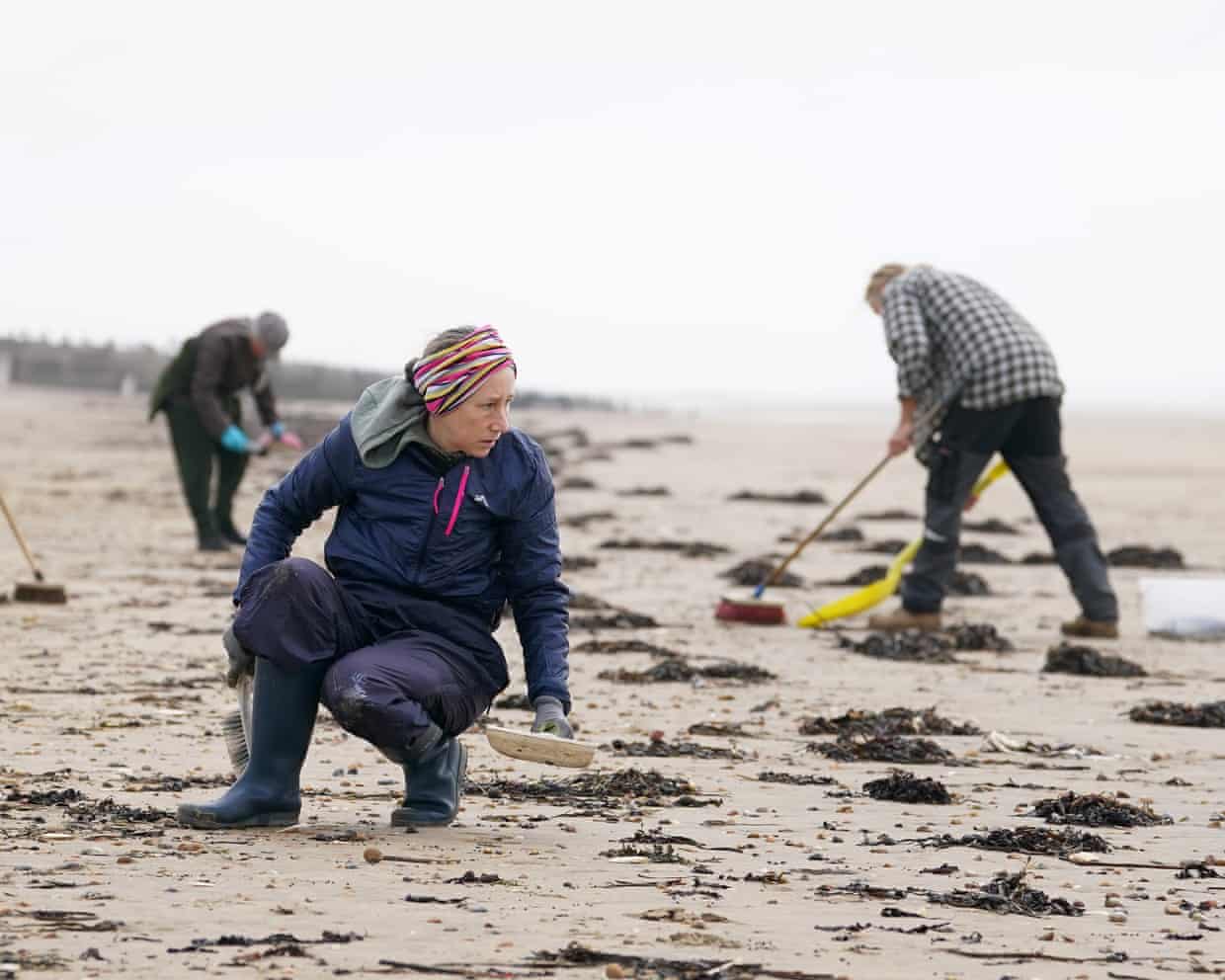
Local MP Helena Dollimore is advocating for a nationwide ban on the use of toxic plastic biobeads in sewage treatment facilities following a significant environmental disaster at Camber Sands beach in East Sussex. In March 2024, a catastrophic spill from a Southern Water sewage treatment plant resulted in hundreds of millions of these beads washing ashore, prompting alarm among conservationists and local residents.
The biobeads, which serve as a component in wastewater treatment processes, are not only visually unappealing but also pose a serious threat to wildlife. Scientists at Kings’ College London have identified the beads as containing harmful heavy metals, including lead and arsenic. In response to the environmental crisis, Dollimore has partnered with the Wildlife Trusts to launch a campaign aimed at banning the use of biobeads across the UK.
There is currently no comprehensive record maintained by the government or regulators regarding the number of water treatment plants utilizing these beads, their containment conditions, or the potential risks they pose to nearby beaches. Campaigners are gathering at the Rye Harbour nature reserve, an area recognized for its significance as a habitat for rare wading birds, to voice their demands for action.
Research conducted by the Guardian indicates that at least 15 treatment facilities along the south and south-west coast of England are still employing these beads. Most of these plants were built during the 1990s and early 2000s and rely on billions of floating plastic beads to cultivate biofilm, which is essential for purifying wastewater. Recent technological advancements have introduced more sustainable methods, such as using electric currents and fixed surfaces made of ceramic or concrete, which are less harmful to the environment.
Dollimore, the MP for Hastings and Rye, expressed her shock upon discovering the widespread use of biobeads after the spill. “A month ago, I wasn’t aware that these plastic beads were used in local wastewater plants until 320 million washed up on our beaches, causing an environmental catastrophe,” she stated. “The use of beads is an outdated technology and better modern methods exist. So why are water companies still using them in coastal plants – the very place they could do the most damage? We’re calling for them to bin the beads.”
The beads are particularly concerning due to their high levels of polycyclic aromatic hydrocarbons (PAHs), which have been linked to cancer. Once released into marine environments, they attract algae, which can lead to ingestion by sea creatures, resulting in poisoning.
The local Wildlife Trust has been actively working to mitigate the effects of the spill, facing challenges as the beads have become embedded in delicate habitats such as saltmarshes and shingle beaches. Conservationists plan to conduct autopsies on deceased birds found in the area to determine if the biobeads contributed to their deaths. The Rye Harbour nature reserve is critical for bird species such as wigeon ducks, which rely on the abundant seeds found in the muddy flats that resemble the size of the biobeads, increasing the risk of ingestion.
Henri Brocklebank, director of conservation at the Sussex Wildlife Trust, emphasized the importance of removing the biobeads from the environment. “Rye Harbour nature reserve is internationally important for its birds, with species traveling thousands of miles to feed and breed here. The impact of bioplastics accumulating in the digestive systems is well documented, but the effects of any contaminants released in the acidic gut systems of these birds are far less understood,” he noted. “There is only one way to guarantee that we never have a spill of biobeads again. That is to stop our wastewater treatment works from using them. They are an old and redundant technology, and we must see their use ended swiftly.”
In light of the spill, Emma Hardy, the water minister, has reached out to water companies to assess the extent of biobead usage across the sector. The Environment Agency continues its investigation into Southern Water in relation to the spill at Camber Sands. Southern Water has issued an apology regarding the incident but stated it could not comment on independent testing conducted by third parties.
As the campaign for a ban on biobeads gains momentum, conservationists and concerned citizens alike await the government’s response to this pressing environmental issue.

EU Investigates China’s Nuctech Over Foreign Subsidies

Willmar School Board Approves 2.19% Levy Increase for 2026

Rowan Atkinson Shares Candid Thoughts on Mr. Bean Character

Infant Botulism Outbreak Grows, 51 Babies Affected Across U.S.

Tommy’s Express Car Wash Hosts Fundraising Event in Fremont

Porsche Faces 26% Drop in China Sales Amid Fierce EV Competition

Chris Culliver Announces Urgent Transfer from UNC Football

Bethesda Announces Skyrim Port for Switch 2 – Available Now!

Ionia County Approves Urgent Road Budget Revisions Today

ALMA Discovers Companion Orbiting Giant Red Star π 1 Gruis

SEVENTEEN’s Mingyu Faces Backlash Over Alcohol Incident at Concert

New ‘Star Trek: Voyager’ Game Demo Released, Players Test Limits

Global Air Forces Ranked by Annual Defense Budgets in 2025

Mass Production of F-35 Fighter Jet Drives Down Costs

Electrification Challenges Demand Advanced Multiphysics Modeling

Gold Investment Surge: Top Mutual Funds and ETF Alternatives

Time Crystals Revolutionize Quantum Computing Potential

DirecTV to Launch AI-Driven Ads with User Likenesses in 2026
-
 Science4 weeks ago
ALMA Discovers Companion Orbiting Giant Red Star π 1 Gruis
-
 Politics2 months ago
SEVENTEEN’s Mingyu Faces Backlash Over Alcohol Incident at Concert
-
 Top Stories2 months ago
New ‘Star Trek: Voyager’ Game Demo Released, Players Test Limits
-
 World2 months ago
Global Air Forces Ranked by Annual Defense Budgets in 2025
-
 World2 months ago
Mass Production of F-35 Fighter Jet Drives Down Costs
-
 World2 months ago
Electrification Challenges Demand Advanced Multiphysics Modeling
-
 Business2 months ago
Gold Investment Surge: Top Mutual Funds and ETF Alternatives
-
 Science2 months ago
Time Crystals Revolutionize Quantum Computing Potential
-
 Top Stories2 months ago
DirecTV to Launch AI-Driven Ads with User Likenesses in 2026
-

 Entertainment2 months ago
Freeport Art Gallery Transforms Waste into Creative Masterpieces
-

 Health2 months ago
Gavin Newsom Critiques Trump’s Health and National Guard Plans
-

 Business2 months ago
US Government Denies Coal Lease Bid, Impacting Industry Revival Efforts