
World
New York Approves $1 Billion Undersea Pipeline to Power Homes

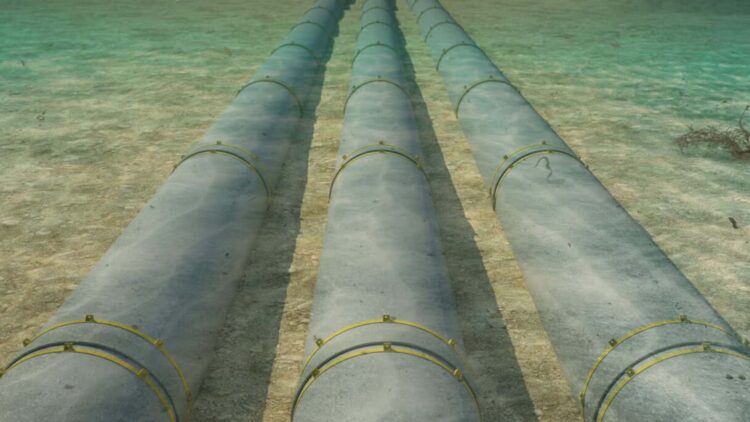
New York has officially approved a significant energy project, the Northeast Supply Enhancement (NESE), a $1 billion undersea pipeline designed to deliver natural gas from Pennsylvania to New Jersey. This ambitious initiative aims to supply energy to approximately 2.3 million homes, particularly during peak demand periods in winter.
The 37-mile pipeline will transport natural gas through the ocean floor, responding to the growing energy needs of the region. Proponents of the NESE project highlight its potential economic benefits, estimating it could generate around $1.8 billion through job creation and increased activity during its construction phase. Supporters argue that the pipeline could stabilize energy prices, making heating more affordable for families amid rising costs and supply concerns.
Nevertheless, the approval has sparked considerable controversy. Critics, including Manhattan State Senator Liz Krueger, have expressed strong opposition, labeling the project an “environmental nightmare.” They argue that investing in fossil fuel infrastructure contradicts the state’s climate goals and undermines efforts to transition to renewable energy sources.
Opponents of the pipeline emphasize that constructing new natural gas infrastructure during a time of heightened awareness about climate change sends a negative signal. They contend that the focus should instead be on renewable energy investments rather than a $1 billion commitment to fossil fuels. This concern is heightened by the fact that the NESE pipeline had previously been rejected three times before this latest approval.
The debate surrounding NESE encapsulates a broader challenge faced by energy policy-makers: balancing immediate energy needs with long-term sustainability goals. The urgent demand for energy powers essential services, including hospitals and schools, making it a pressing issue for many residents.
As New York moves forward with this project, the implications for its environmental policies and energy future remain significant. The NESE pipeline could serve as a temporary solution to meet current energy demands while the state continues to develop and expand clean energy initiatives. Critics argue that without stringent environmental safeguards, the long-term consequences could outweigh the short-term benefits.
Ultimately, the decision to pursue the NESE project raises important questions about the direction of energy policy in New York. Stakeholders must weigh immediate energy reliability against the necessity for a swift transition to sustainable energy sources. As the state navigates these complex issues, the NESE pipeline stands as a focal point in the ongoing discussion about energy, climate change, and the future of energy in the region.

Urgent Tips for Holiday Gifts: Boost Coworker Bonds Right Now

Dallas Pension Vote Sparks Outrage Among First Responders

Urgent: Winter Weather Advisory Issued for South Central PA

ECB Confirms Current Interest Rates Are Appropriate as Year Ends

Debate Dynamics: Bregman and Haaland Gear Up for Gubernatorial Race

University of Arizona Identifies Key Immune Cell Linked to Fibrosis

Titans Lead 2026 NFL Draft Race, Raiders and Saints Lurk Behind

Delta A350 Diverts to Tokyo After Hydraulic Emergency Mid-Flight

Zacks Research Lowers Earnings Forecast for Avanos Medical

New ‘Star Trek: Voyager’ Game Demo Released, Players Test Limits

Global Air Forces Ranked by Annual Defense Budgets in 2025

ALMA Discovers Companion Orbiting Giant Red Star π 1 Gruis

Mass Production of F-35 Fighter Jet Drives Down Costs

Electrification Challenges Demand Advanced Multiphysics Modeling

Gold Investment Surge: Top Mutual Funds and ETF Alternatives

Time Crystals Revolutionize Quantum Computing Potential

DirecTV to Launch AI-Driven Ads with User Likenesses in 2026

Freeport Art Gallery Transforms Waste into Creative Masterpieces
-
 Top Stories2 months ago
New ‘Star Trek: Voyager’ Game Demo Released, Players Test Limits
-
 World2 months ago
Global Air Forces Ranked by Annual Defense Budgets in 2025
-
 Science2 weeks ago
ALMA Discovers Companion Orbiting Giant Red Star π 1 Gruis
-
 World2 months ago
Mass Production of F-35 Fighter Jet Drives Down Costs
-
 World2 months ago
Electrification Challenges Demand Advanced Multiphysics Modeling
-
 Business2 months ago
Gold Investment Surge: Top Mutual Funds and ETF Alternatives
-
 Science2 months ago
Time Crystals Revolutionize Quantum Computing Potential
-
 Top Stories2 months ago
DirecTV to Launch AI-Driven Ads with User Likenesses in 2026
-
 Entertainment2 months ago
Freeport Art Gallery Transforms Waste into Creative Masterpieces
-

 Business2 months ago
US Government Denies Coal Lease Bid, Impacting Industry Revival Efforts
-

 Health2 months ago
Gavin Newsom Critiques Trump’s Health and National Guard Plans
-

 Lifestyle2 months ago
Discover Reese Witherspoon’s Chic Dining Room Style for Under $25