
World
Senate Advances $901 Billion Defense Bill, Pressures Hegseth for Video

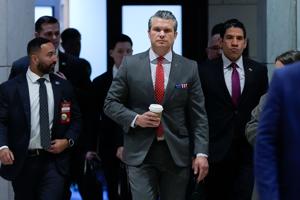
The United States Senate is poised to finalize a significant military policy bill on December 6, 2023, which authorizes a staggering $901 billion in defense spending. This legislation not only supports various defense programs but also places pressure on Defense Secretary Pete Hegseth to supply lawmakers with video evidence of military strikes targeting alleged drug traffickers.
The Senate’s action comes as part of the annual National Defense Authorization Act (NDAA), which outlines military spending and policy priorities for the upcoming fiscal year. This year’s bill reflects an ongoing commitment to bolster national security while addressing emerging threats, including drug trafficking and its associated violence.
Legislative Dynamics and Pressures
Senate leaders are advocating for swift passage of the NDAA, which is expected to receive bipartisan support. Lawmakers have expressed a sense of urgency regarding the provision of video footage related to military operations that have been conducted against suspected drug operations in Central and South America. The demand for transparency stems from concerns about the effectiveness and accountability of military strategies employed in these regions.
In recent discussions, several senators have emphasized the importance of understanding the operational impact of such strikes. They believe that access to video evidence could illuminate the consequences of these actions and potentially guide future decisions regarding military interventions. The footage is seen as a critical tool for oversight and accountability in military operations.
Broader Implications for Defense Spending
The proposed defense budget of $901 billion represents a substantial increase from previous years, reflecting a broader trend of escalating military expenditures in response to global challenges. This funding is earmarked for various initiatives, including modernization of military equipment, research and development of advanced technologies, and enhancements to troop readiness.
Moreover, the bill includes provisions aimed at improving support for service members and their families, addressing issues such as mental health services and housing. These measures underline a growing recognition of the importance of supporting those who serve in the armed forces, particularly in light of the challenges they face both during and after their service.
As the Senate prepares to vote, stakeholders are closely monitoring the implications of the NDAA, not only for military policy but also for the broader political landscape. The outcome of this legislative effort may influence future defense strategies and spending priorities, particularly as the United States navigates complex international relationships and security challenges.
In summary, the Senate’s advancement of the $901 billion defense bill underscores a commitment to national security while highlighting the need for transparency and accountability in military operations. The pressure on Defense Secretary Hegseth to provide video evidence reflects a significant shift towards greater oversight, ensuring that military actions align with legislative expectations and ethical considerations.

Urgent: Power Restoration Efforts Intensify in Clark County

Lee Junho Reveals Painful Truths of Being a “Beast Idol”

Kamala Harris Calls Justice Ketanji Brown Jackson’s Dissents ‘Brilliant’

Wondershare Launches EdrawMax V15 with Advanced AI Features

Eighth Doctor Actor Paul McGann Addresses Doctor Who Rumors

Community Advocates for Establishment of UMaine Medical School

Pope Leo XIV Appoints Ramón Bejarano as Bishop of Monterey

South Korea’s Judicial Reforms Spark Concerns Over Power Balance

Regulating Global Trade in Wild Species to Protect Biodiversity

ALMA Discovers Companion Orbiting Giant Red Star π 1 Gruis

SEVENTEEN’s Mingyu Faces Backlash Over Alcohol Incident at Concert

New ‘Star Trek: Voyager’ Game Demo Released, Players Test Limits

Global Air Forces Ranked by Annual Defense Budgets in 2025

Electrification Challenges Demand Advanced Multiphysics Modeling

Mass Production of F-35 Fighter Jet Drives Down Costs

Time Crystals Revolutionize Quantum Computing Potential

Gold Investment Surge: Top Mutual Funds and ETF Alternatives

DirecTV to Launch AI-Driven Ads with User Likenesses in 2026
-
 Science1 month ago
ALMA Discovers Companion Orbiting Giant Red Star π 1 Gruis
-
 Politics2 months ago
SEVENTEEN’s Mingyu Faces Backlash Over Alcohol Incident at Concert
-
 Top Stories2 months ago
New ‘Star Trek: Voyager’ Game Demo Released, Players Test Limits
-
 World2 months ago
Global Air Forces Ranked by Annual Defense Budgets in 2025
-
 World2 months ago
Electrification Challenges Demand Advanced Multiphysics Modeling
-
 World2 months ago
Mass Production of F-35 Fighter Jet Drives Down Costs
-
 Science2 months ago
Time Crystals Revolutionize Quantum Computing Potential
-
 Business2 months ago
Gold Investment Surge: Top Mutual Funds and ETF Alternatives
-
 Top Stories2 months ago
DirecTV to Launch AI-Driven Ads with User Likenesses in 2026
-

 Entertainment2 months ago
Freeport Art Gallery Transforms Waste into Creative Masterpieces
-

 Business2 months ago
US Government Denies Coal Lease Bid, Impacting Industry Revival Efforts
-

 Health2 months ago
Gavin Newsom Critiques Trump’s Health and National Guard Plans