
World
South Korean Shipyards Offer Solutions for US Navy Challenges

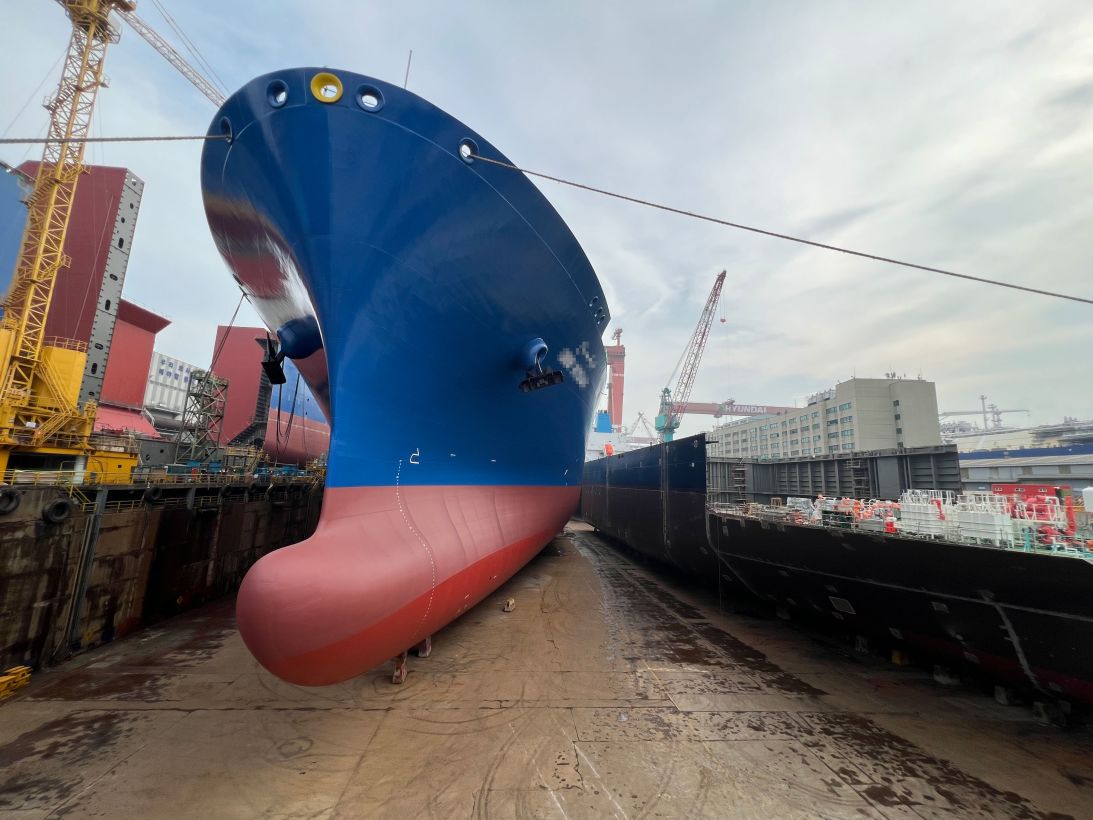
The US Navy is facing significant challenges in its shipbuilding programs, prompting South Korean shipbuilders to propose solutions that could enhance American naval capabilities. Leaders from South Korea’s top shipyards, HD Hyundai Heavy Industries and Hanwha Ocean, assert they can help remedy the current “mess” in US shipbuilding, as described by John Phelan, the US Secretary of the Navy.
Phelan’s candid remarks during a House hearing in June underscored the gravity of the situation: “All of our programs are a mess. I think our best one is six months late and 57% over budget.” This admission highlights a long-standing issue for the US Navy, which has struggled with delays and budget overruns for years. As the US attempts to modernize its fleet amidst growing competition from China, South Korea has emerged as a leader in efficient ship production, delivering advanced warships on time and within budget.
Efficient Production in South Korea
During a recent visit to the shipyards in Ulsan and Geoje, CNN reported on the impressive capabilities of South Korean shipbuilders. Hanwha Ocean has developed new facilities specifically designed to construct four advanced frigates for the South Korean Navy. The construction of a dedicated hull assembly building was reportedly completed in just 14 months. These 122-meter-long, 3,100-ton frigates will feature vertical launch systems for air defense and the capacity to launch anti-ship missiles and torpedoes. Each frigate is expected to take approximately three years to complete, which aligns with the delays seen in the US Navy’s Constellation-class frigate program.
The US Congressional Research Service has identified similar issues with the Constellation-class, attributing delays to excessive design alterations. In contrast, South Korean shipyard leaders attribute their success to experienced personnel and streamlined logistics. Lee Jin, vice president at HD Hyundai, noted that the average worker at their facility has been employed for 16 years, emphasizing the value of a skilled workforce.
According to Sal Mercogliano, a shipping expert at Campbell University, the ability of South Korean shipyards to alternate between military and commercial projects allows them to maintain a core workforce. This adaptability is in stark contrast to the US shipbuilding landscape, where fluctuations in military contracts often hinder investment in new technologies.
Potential for Collaboration
The potential for collaboration between South Korean shipbuilders and the US Navy has gained traction. During a meeting in August 2023, President Donald Trump and South Korean President Lee Jae Myung reaffirmed their commitment to the “Make American Shipbuilding Great Again” initiative, originally introduced during tariff negotiations in July. This partnership could facilitate the transfer of advanced shipbuilding knowledge and techniques from South Korea to the United States.
As part of their strategy to expand in the US market, Hanwha recently acquired Philly Shipyard in Pennsylvania and plans to invest $5 billion into the facility for both commercial and military projects. Similarly, HD Hyundai aims to increase its presence in the US, although current US laws restrict the Navy from purchasing foreign-built ships or constructing vessels overseas.
The immigration raid at a Korean battery plant in Georgia raises concerns about the future of US-Korean cooperation. For South Korean companies to build US Navy ships, changes to existing laws and regulations would be necessary. The recent agreement between the US and Finland, which allows for the construction of US Coast Guard icebreakers in Finnish shipyards, offers a possible framework for future naval shipbuilding partnerships.
Mercogliano believes Congress could modify requirements for auxiliary naval vessels to be built in foreign countries, paving the way for increased collaboration. His vision involves starting ship construction in South Korea before transitioning it to US facilities.
In a clear expression of ambition, Hanwha’s General Manager Jeon Yu-su stated, “Yes!” when asked if he envisions US warships being manufactured at the Geoje shipyard. With both nations keen to enhance their naval capabilities, the future of US-South Korean shipbuilding collaboration holds significant promise.

Jewel Stuns Fans with Bikini Photos from Barbuda Getaway

** Engineers Achieve Breakthrough in Overcoming Gravity, Transforming Space Travel**

BTS Fans React Strongly to Jungkook Protest Truck Controversy

Nintendo Faces Memory Crisis as Costs Surge, Shares Drop

United States Dominates Canada 10-4 in Rivalry Series Showdown

U.S. and Japan Showcase Military Alliance with Bomber Flyover

Family Surprised by $330 Charge on GoFundMe Donation Due to Tipping

Celebrating the Life of Walter Clarence Gilliam, Community Leader

Jackson 5’s “Give Love on Christmas Day” Recognized as Holiday Classic

ALMA Discovers Companion Orbiting Giant Red Star π 1 Gruis

New ‘Star Trek: Voyager’ Game Demo Released, Players Test Limits

SEVENTEEN’s Mingyu Faces Backlash Over Alcohol Incident at Concert

Global Air Forces Ranked by Annual Defense Budgets in 2025

Electrification Challenges Demand Advanced Multiphysics Modeling

Mass Production of F-35 Fighter Jet Drives Down Costs

Time Crystals Revolutionize Quantum Computing Potential

Gold Investment Surge: Top Mutual Funds and ETF Alternatives

DirecTV to Launch AI-Driven Ads with User Likenesses in 2026
-
 Science4 weeks ago
ALMA Discovers Companion Orbiting Giant Red Star π 1 Gruis
-
 Top Stories2 months ago
New ‘Star Trek: Voyager’ Game Demo Released, Players Test Limits
-
 Politics2 months ago
SEVENTEEN’s Mingyu Faces Backlash Over Alcohol Incident at Concert
-
 World2 months ago
Global Air Forces Ranked by Annual Defense Budgets in 2025
-
 World2 months ago
Electrification Challenges Demand Advanced Multiphysics Modeling
-
 World2 months ago
Mass Production of F-35 Fighter Jet Drives Down Costs
-
 Science2 months ago
Time Crystals Revolutionize Quantum Computing Potential
-
 Business2 months ago
Gold Investment Surge: Top Mutual Funds and ETF Alternatives
-
 Top Stories2 months ago
DirecTV to Launch AI-Driven Ads with User Likenesses in 2026
-

 Entertainment2 months ago
Freeport Art Gallery Transforms Waste into Creative Masterpieces
-

 Health2 months ago
Gavin Newsom Critiques Trump’s Health and National Guard Plans
-

 Business2 months ago
US Government Denies Coal Lease Bid, Impacting Industry Revival Efforts