
World
Study Reveals Spices Like Cinnamon and Turmeric Impact Medications

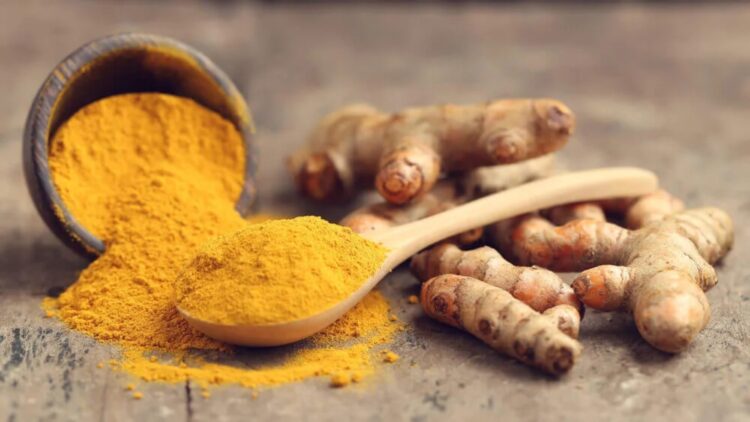
Recent research from the University of Mississippi suggests that common spices such as cinnamon, turmeric, and ginger may interfere with the effectiveness of certain medications, including antidepressants and diabetes drugs. This finding highlights the importance of understanding how these widely-used spices can impact health outcomes when combined with prescribed treatments.
Impact of Cinnamon on Medication Effectiveness
Cinnamon, a staple in kitchens around the globe, has been shown in laboratory tests to activate receptors that can accelerate the elimination of medications from the body. The principal compound in cinnamon, cinnamaldehyde, plays a key role in this interaction. Notably, the type of cinnamon consumed matters as well. The most common variety, cassia cinnamon, is known for its affordability and is frequently found in households. However, it contains high levels of coumarin, which can be harmful to the liver if consumed in large quantities.
In contrast, Ceylon cinnamon, often referred to as “true cinnamon,” is more expensive and originates from Sri Lanka. While Ceylon cinnamon is considered healthier, both types can potentially interfere with medications prescribed for conditions such as depression, pain management, cancer treatment, and diabetes.
Turmeric and Ginger: Limited Evidence but Significant Effects
Turmeric, known for its active ingredient curcumin, is praised for its anti-inflammatory and antioxidant properties. However, research on its interaction with medications remains sparse and largely based on animal studies. Preliminary findings indicate that curcumin can influence the metabolism of various medications, including antidepressants, antibiotics, and chemotherapy drugs. Additionally, turmeric may act as a blood thinner, which could heighten the effects of other anticoagulants like warfarin and aspirin. Given its potential to lower blood pressure, combining turmeric with blood pressure medications could lead to dangerously low levels.
Ginger also has well-documented health benefits, including anti-nausea and anti-inflammatory properties. Nonetheless, its main compound, gingerol, may act as a blood thinner, prompting caution when used alongside anticoagulant medications.
While these spices can offer numerous health benefits, caution is advised. The side effects associated with cinnamon, turmeric, and ginger are most pronounced at high doses. Individuals taking medications should discuss their spice consumption with a healthcare provider to ensure safety and efficacy.
As research continues, understanding the complex interactions between these natural substances and pharmaceuticals remains critical for safe health practices. This knowledge empowers individuals to make informed choices about their diets and health regimens.

Suspect Shot After Using Employee as Shield in Houston Robbery

Unlock Fitness Potential: Top Weighted Vest Deals for Cyber Monday

Essential Gear Guide for Night Photographers This Holiday Season

Pennsylvania Grant Fuels 40 New Affordable Homes in North Philadelphia

Researchers Spotlight Non-Timber Products to Fund Reforestation

UCLA’s Scooter Jackson Enters Transfer Portal as Offseason Begins

Study Reveals Spices Like Cinnamon and Turmeric Impact Medications

Tragic Crash Claims Life of 21-Year-Old in Comanche County

New York Governor Hochul Signs Bill for Holocaust Memorial Today

New ‘Star Trek: Voyager’ Game Demo Released, Players Test Limits

Global Air Forces Ranked by Annual Defense Budgets in 2025

ALMA Discovers Companion Orbiting Giant Red Star π 1 Gruis

Mass Production of F-35 Fighter Jet Drives Down Costs

Electrification Challenges Demand Advanced Multiphysics Modeling

Gold Investment Surge: Top Mutual Funds and ETF Alternatives

Time Crystals Revolutionize Quantum Computing Potential

DirecTV to Launch AI-Driven Ads with User Likenesses in 2026

Freeport Art Gallery Transforms Waste into Creative Masterpieces
-
 Top Stories2 months ago
New ‘Star Trek: Voyager’ Game Demo Released, Players Test Limits
-
 World2 months ago
Global Air Forces Ranked by Annual Defense Budgets in 2025
-
 Science2 weeks ago
ALMA Discovers Companion Orbiting Giant Red Star π 1 Gruis
-
 World2 months ago
Mass Production of F-35 Fighter Jet Drives Down Costs
-
 World2 months ago
Electrification Challenges Demand Advanced Multiphysics Modeling
-
 Business2 months ago
Gold Investment Surge: Top Mutual Funds and ETF Alternatives
-
 Science2 months ago
Time Crystals Revolutionize Quantum Computing Potential
-
 Top Stories2 months ago
DirecTV to Launch AI-Driven Ads with User Likenesses in 2026
-
 Entertainment2 months ago
Freeport Art Gallery Transforms Waste into Creative Masterpieces
-

 Business2 months ago
US Government Denies Coal Lease Bid, Impacting Industry Revival Efforts
-

 Politics1 month ago
SEVENTEEN’s Mingyu Faces Backlash Over Alcohol Incident at Concert
-

 Health2 months ago
Gavin Newsom Critiques Trump’s Health and National Guard Plans