
World
U.S. Oil Sanctions Target Russia’s Major Producers Amid Economic Strain

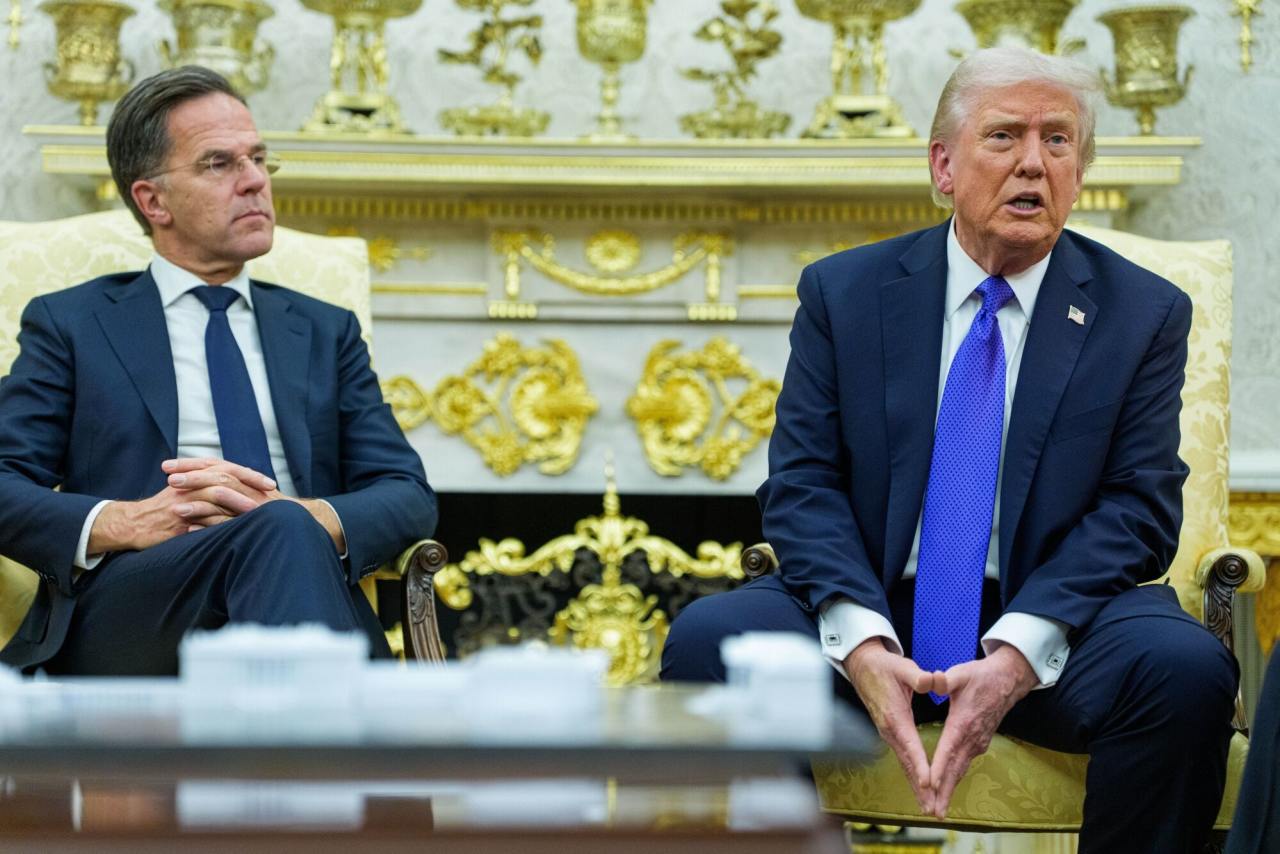
The United States has implemented new oil sanctions against Russia, targeting some of the country’s largest producers. This move comes at a particularly challenging time for Russia’s economy, which continues to face pressure from ongoing geopolitical tensions and a series of financial restrictions.
The U.S. Department of the Treasury announced on February 15, 2024, that the sanctions would specifically impact major companies involved in producing and exporting Russian oil. This decision aligns with efforts to limit Russia’s ability to generate revenue from its oil sector, which is crucial for funding its national budget and military activities. The price cap set by the European Union on Russian oil, currently at $60 per barrel, remains in effect, further complicating Russia’s economic landscape.
Impact on Russia’s Oil Industry
The sanctions place significant restrictions on the Russian oil trade, particularly affecting the export of Urals crude oil, which is a key product for the nation. With a substantial portion of government revenue dependent on oil exports, the loss of access to international markets could exacerbate existing economic difficulties. Analysts have noted that these sanctions are likely to hinder Russia’s ability to maintain its oil production levels, which have already decreased in recent months.
According to the International Energy Agency (IEA), Russia’s oil production fell by approximately 1 million barrels per day since the onset of the Ukraine conflict. This decline points to the long-lasting impact of sanctions, as the country struggles to find new markets for its oil while adhering to the imposed price cap. The current situation raises concerns about the sustainability of Russia’s energy sector and its overall economic stability.
Global Reactions and Future Considerations
Reactions to the U.S. sanctions have varied globally. While nations like China and India have increased their purchases of Russian oil, Western countries remain steadfast in their commitment to curtailing Russia’s energy revenue. The tension between these differing approaches could lead to further shifts in the global energy market.
Experts predict that the ongoing sanctions will likely prompt Russia to seek alternative buyers and methods of selling its oil. However, the challenge remains significant as many potential buyers are wary of violating international laws and facing repercussions from Western nations.
As the situation develops, the implications of these sanctions will continue to unfold, affecting not only Russia but also global oil prices and market dynamics. The U.S. government’s ongoing strategy to isolate Russia economically will require careful monitoring, especially as new developments arise in this complex geopolitical landscape.

Jewel Stuns Fans with Bikini Photos from Barbuda Getaway

** Engineers Achieve Breakthrough in Overcoming Gravity, Transforming Space Travel**

BTS Fans React Strongly to Jungkook Protest Truck Controversy

Nintendo Faces Memory Crisis as Costs Surge, Shares Drop

United States Dominates Canada 10-4 in Rivalry Series Showdown

U.S. and Japan Showcase Military Alliance with Bomber Flyover

Family Surprised by $330 Charge on GoFundMe Donation Due to Tipping

Celebrating the Life of Walter Clarence Gilliam, Community Leader

Jackson 5’s “Give Love on Christmas Day” Recognized as Holiday Classic

ALMA Discovers Companion Orbiting Giant Red Star π 1 Gruis

New ‘Star Trek: Voyager’ Game Demo Released, Players Test Limits

SEVENTEEN’s Mingyu Faces Backlash Over Alcohol Incident at Concert

Global Air Forces Ranked by Annual Defense Budgets in 2025

Mass Production of F-35 Fighter Jet Drives Down Costs

Electrification Challenges Demand Advanced Multiphysics Modeling

Gold Investment Surge: Top Mutual Funds and ETF Alternatives

Time Crystals Revolutionize Quantum Computing Potential

DirecTV to Launch AI-Driven Ads with User Likenesses in 2026
-
 Science4 weeks ago
ALMA Discovers Companion Orbiting Giant Red Star π 1 Gruis
-
 Top Stories2 months ago
New ‘Star Trek: Voyager’ Game Demo Released, Players Test Limits
-
 Politics2 months ago
SEVENTEEN’s Mingyu Faces Backlash Over Alcohol Incident at Concert
-
 World2 months ago
Global Air Forces Ranked by Annual Defense Budgets in 2025
-
 World2 months ago
Mass Production of F-35 Fighter Jet Drives Down Costs
-
 World2 months ago
Electrification Challenges Demand Advanced Multiphysics Modeling
-
 Business2 months ago
Gold Investment Surge: Top Mutual Funds and ETF Alternatives
-
 Science2 months ago
Time Crystals Revolutionize Quantum Computing Potential
-
 Top Stories2 months ago
DirecTV to Launch AI-Driven Ads with User Likenesses in 2026
-

 Entertainment2 months ago
Freeport Art Gallery Transforms Waste into Creative Masterpieces
-

 Business2 months ago
US Government Denies Coal Lease Bid, Impacting Industry Revival Efforts
-

 Health2 months ago
Gavin Newsom Critiques Trump’s Health and National Guard Plans