
World
US Navy and Marines: A Deep Dive into Aircraft Fleets

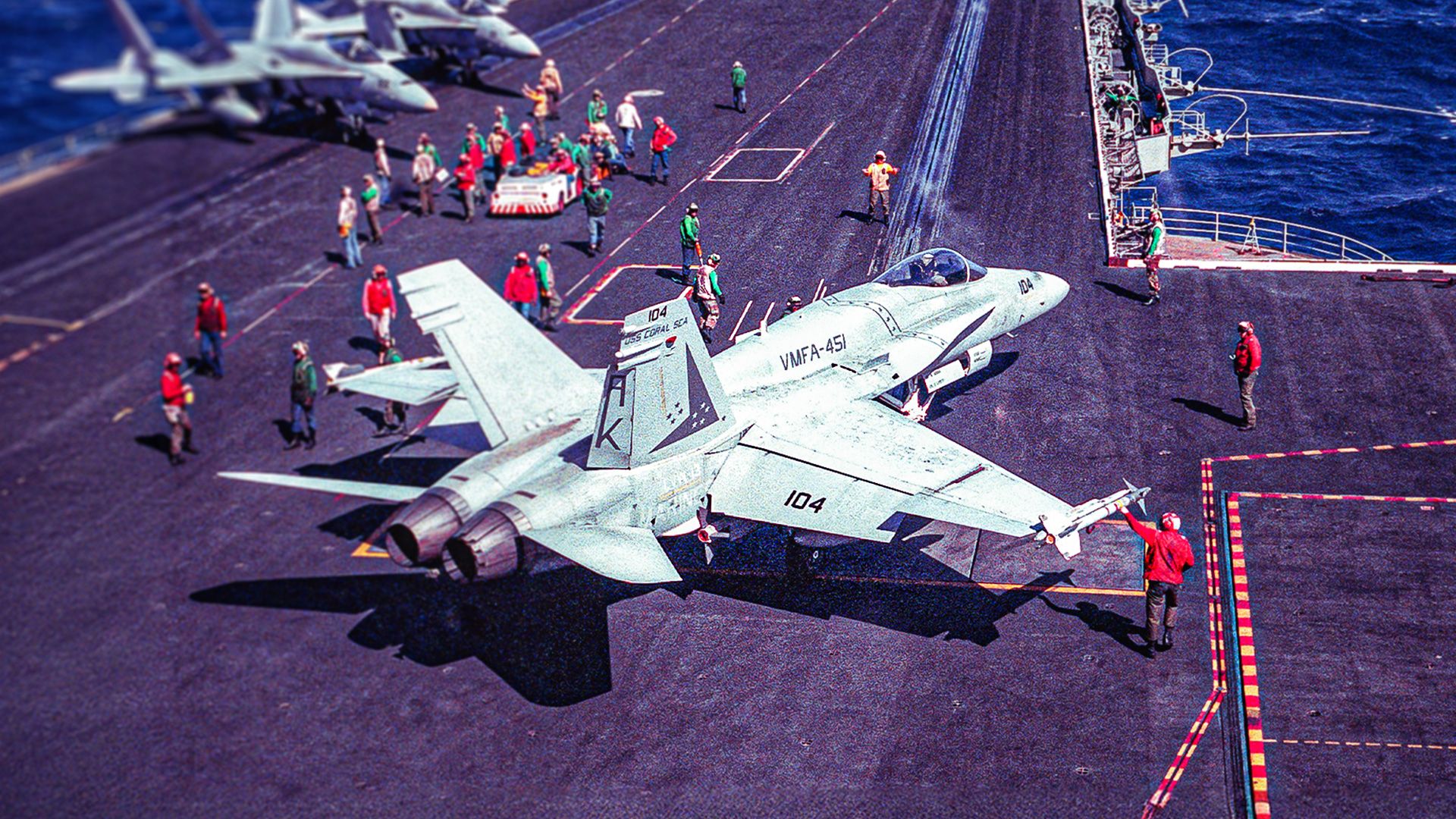
The United States Navy and Marine Corps operate extensive aircraft fleets that serve distinct but complementary missions. While both branches launch operations from the same aircraft carriers, the Navy’s focus is primarily on maritime warfare, whereas the Marines support ground troops with specialized aircraft. The Navy maintains a larger inventory, but the Marine Corps has a diverse array of aircraft tailored to its unique operational needs.
Aircraft Fleet Overview
As of March 2022, the Department of the Navy operates approximately 4,000 aircraft. The cornerstone of the Navy’s fleet is the F/A-18E/F Super Hornet, with nearly 600 units in active service. The Navy is also integrating the F-35C Lightning II, a carrier variant of the fifth-generation fighter, with around 50 currently operational and over 200 on order. Plans are underway for the F/A-XX, designed to replace the aging Super Hornet fleet by the 2040s, boasting advanced stealth features and enhanced operational range.
In addition to strike fighters, the Navy’s fleet includes the E-2D Advanced Hawkeye, serving as the airborne early warning and control aircraft with around 83 units, and the P-8A Poseidon, which functions as the primary anti-submarine warfare platform with about 118 units. The future of naval aviation looks toward innovations such as the MQ-25A Stingray, the Navy’s first carrier-based unmanned aerial refueler, with plans to procure 76 units.
Marine Corps Aircraft Capabilities
The Marine Corps aviation fleet, designed to support ground troops, consisted of around 1,262 crewed aircraft as of its 2022 plan. The F-35B Lightning II, a Short Takeoff/Vertical Landing (STOVL) aircraft, is a key asset for the Marines, with approximately 145 currently operational and an additional 13 planned for purchase in fiscal year 2025. The legacy AV-8B Harrier II, while being phased out, still has around 87 units in service.
The Corps plans to expand its fleet to a total of 420 F-35 aircraft, including 280 F-35Bs and 140 F-35Cs. Unlike the Navy, the Marine Corps does not currently have plans to procure the F/A-XX, emphasizing its commitment to integrating the F-35 into its operational framework. The Marine Corps is also expanding its use of unmanned aerial vehicles, with a goal of fielding 20 Reaper drones for reconnaissance and surveillance.
Helicopter Operations and Interoperability
Helicopter operations reveal further distinctions between the two branches. The Marine Corps employs helicopters tailored for close air support and logistics, integral to the Marine Air-Ground Task Force (MAGTF). The MV-22 Osprey, a tiltrotor aircraft, is crucial for medium-lift assault transport, while the CH-53K King Stallion serves heavy-lift needs, capable of transporting up to 36,000 pounds.
The Navy’s helicopter fleet is predominantly composed of the MH-60 Seahawk, modified from the Army’s Black Hawk, specializing in anti-submarine and anti-surface warfare. The Navy also operates the MH-53E Sea Dragon, which is being retired as its roles transition to other platforms.
Shared Training and Operational Integration
Both branches emphasize interoperability, a critical aspect of their operations. Marine pilots receive basic infantry training before flight school, ensuring they understand ground missions thoroughly. This cultural commitment fosters effective coordination between air and ground forces.
All Navy and Marine Corps pilots are designated as Naval Aviators, sharing a common training foundation that enhances their operational compatibility. They often participate in joint exercises, further solidifying their tactical integration. Communications systems like Link 16 facilitate seamless data sharing, while ongoing digital interoperability initiatives aim to enhance situational awareness across joint forces.
In summary, while the United States Navy and Marine Corps operate distinct aircraft tailored to their specific missions, their shared training, operational integration, and commitment to interoperability ensure they can function cohesively as part of a powerful maritime force. Each branch plays a vital role in maintaining national security, with the Navy focusing on maritime domain awareness and power projection, and the Marines providing direct support to ground combat operations.

Shark Teeth Reveal Urgent Insights to Prevent Extinction Now

Englewood Church Members Rally After Thanksgiving Day Fire

Mayor Appoints Alan Wong as New District 4 Supervisor

UK Universities Embrace AI to Revolutionize Research Evaluation

Mikaela Shiffrin Claims 104th World Cup Victory at Copper Mountain

Trump Promises MRI Results Amid Uncertainty Over Scan Details

U.S. Investors Boost Canadian Energy Stocks Amid Low Oil Prices

Nick Jonas Unveils Solo Album ‘Sunday Best’ Set for February Release

Mayor Lurie Appoints Alan Wong as New District 4 Supervisor

New ‘Star Trek: Voyager’ Game Demo Released, Players Test Limits

Global Air Forces Ranked by Annual Defense Budgets in 2025

Mass Production of F-35 Fighter Jet Drives Down Costs

Electrification Challenges Demand Advanced Multiphysics Modeling

ALMA Discovers Companion Orbiting Giant Red Star π 1 Gruis

Gold Investment Surge: Top Mutual Funds and ETF Alternatives

Time Crystals Revolutionize Quantum Computing Potential

DirecTV to Launch AI-Driven Ads with User Likenesses in 2026

Freeport Art Gallery Transforms Waste into Creative Masterpieces
-
 Top Stories2 months ago
New ‘Star Trek: Voyager’ Game Demo Released, Players Test Limits
-
 World2 months ago
Global Air Forces Ranked by Annual Defense Budgets in 2025
-
 World2 months ago
Mass Production of F-35 Fighter Jet Drives Down Costs
-
 World2 months ago
Electrification Challenges Demand Advanced Multiphysics Modeling
-
 Science2 weeks ago
ALMA Discovers Companion Orbiting Giant Red Star π 1 Gruis
-
 Business2 months ago
Gold Investment Surge: Top Mutual Funds and ETF Alternatives
-
 Science2 months ago
Time Crystals Revolutionize Quantum Computing Potential
-
 Top Stories2 months ago
DirecTV to Launch AI-Driven Ads with User Likenesses in 2026
-
 Entertainment2 months ago
Freeport Art Gallery Transforms Waste into Creative Masterpieces
-

 Business2 months ago
US Government Denies Coal Lease Bid, Impacting Industry Revival Efforts
-

 Health1 month ago
Gavin Newsom Critiques Trump’s Health and National Guard Plans
-

 Lifestyle1 month ago
Discover Reese Witherspoon’s Chic Dining Room Style for Under $25