
Business
Hawaii’s Shift to Gas Highlights Energy Cost Concerns

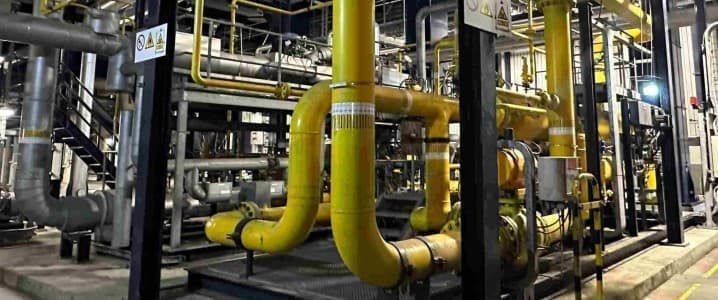
Hawaii has unveiled a plan to generate all of its energy from low-emission sources by 2045. This ambitious initiative, however, comes with a significant shift towards importing liquefied natural gas (LNG). Currently, Hawaii residents face the highest electricity rates in the United States, even surpassing those in California, which also has lofty goals for net-zero transitions. The geographical isolation of the islands necessitates the shipping of fuel oil for power generation, which contributes to elevated electricity costs.
According to the Energy Information Administration (EIA), the high cost of baseload electricity in Hawaii results in residents paying the steepest electricity bills nationwide, despite consuming the least grid-delivered electricity. The EIA notes that Hawaii ranks third-lowest in total energy consumption among U.S. states, yet utilizes 16 times more energy than it produces. This imbalance raises concerns about the state’s energy supply, particularly regarding reliable baseload power.
About a quarter of Hawaii’s electricity is currently generated from solar panels. However, this energy source is intermittent and does not provide a consistent, round-the-clock supply. The state has invested in battery storage, including a significant installation with a capacity of 185 MW, but this is insufficient to meet demand. In 2020, Hawaii closed its final coal-powered plant, further limiting its energy options.
The previous administration was firmly opposed to natural gas in pursuit of a 100% low-carbon energy goal. In contrast, the current administration has adopted a more flexible approach. Recently, it signed a preliminary agreement with Japan’s JERA for a long-term LNG supply. This transition to gas-powered generation is anticipated to lower costs, particularly as Hawaii develops its LNG import infrastructure.
Opponents of the gas strategy argue that it undermines the state’s commitment to achieving a fully decarbonized energy system. They contend that any reliance on hydrocarbons deviates from the path to net-zero emissions, especially as electricity costs have risen in tandem with the phase-out of coal and the expansion of solar energy.
The situation in Hawaii mirrors challenges faced by other countries, notably Germany, which also aims for a significant reduction in carbon emissions through an increased reliance on renewable sources. Germany has been rapidly building LNG import facilities to replace Russian pipeline supplies, demonstrating that its substantial wind and solar capacity cannot entirely fulfill demand, even with battery support.
Like Hawaii, Germany plans to transition from gas to hydrogen in the future, contingent on the economic viability of green hydrogen. In the interim, the reliance on gas is seen as a necessary measure to prevent blackouts.
The dilemma facing both Hawaii and Germany raises critical questions about energy priorities. The choice lies between ensuring an uninterrupted and affordable electricity supply or opting for a more intermittent and potentially costlier renewable energy source that aligns with lower emissions. The current administration in Hawaii appears to favor maintaining reliable energy access, prioritizing affordability over a strictly low-carbon approach.
As Hawaii navigates its energy transition, it faces the challenge of balancing the immediate need for reliable energy with its long-term emissions goals. The state’s decisions on energy sources will likely shape its economic landscape and the well-being of its residents in the years to come.

Medline and TransEnterix: A Comparative Investment Analysis

First Federal of Greene County Celebrates Growth with New Office Launch

Urgent Update: Cardinal Mindszenty Sentenced 77 Years Ago Today

Upwork Set to Reveal Q4 2025 Earnings on February 9

Marin Graduate Enhances Aurora Borealis Research Using AI

Rosenblatt Securities Lowers QUALCOMM Price Target to $190

Colorado Residents Turn to Home Battery Backup Amid Power Outages

American Airlines Celebrates a Century of Aviation Excellence

Cupid Kannapolis Event Sparks Local Business Promotions

ALMA Discovers Companion Orbiting Giant Red Star π 1 Gruis

Doctoral Candidate Trivanni Yadav Advances Battery Research at UTulsa

Global Air Forces Ranked by Annual Defense Budgets in 2025

New ‘Star Trek: Voyager’ Game Demo Released, Players Test Limits

Mass Production of F-35 Fighter Jet Drives Down Costs

NASCAR Faces Fan Backlash as Steve Phelps’ Texts Surface

Gold Investment Surge: Top Mutual Funds and ETF Alternatives

DirecTV to Launch AI-Driven Ads with User Likenesses in 2026

SEVENTEEN’s Mingyu Faces Backlash Over Alcohol Incident at Concert
-
 Science3 months ago
ALMA Discovers Companion Orbiting Giant Red Star π 1 Gruis
-
 Science3 months ago
Doctoral Candidate Trivanni Yadav Advances Battery Research at UTulsa
-
 World4 months ago
Global Air Forces Ranked by Annual Defense Budgets in 2025
-
 Top Stories4 months ago
New ‘Star Trek: Voyager’ Game Demo Released, Players Test Limits
-
 World4 months ago
Mass Production of F-35 Fighter Jet Drives Down Costs
-
 Sports3 months ago
NASCAR Faces Fan Backlash as Steve Phelps’ Texts Surface
-
 Business4 months ago
Gold Investment Surge: Top Mutual Funds and ETF Alternatives
-
 Top Stories4 months ago
DirecTV to Launch AI-Driven Ads with User Likenesses in 2026
-
 Politics4 months ago
SEVENTEEN’s Mingyu Faces Backlash Over Alcohol Incident at Concert
-

 Science4 months ago
Time Crystals Revolutionize Quantum Computing Potential
-

 Entertainment4 months ago
Freeport Art Gallery Transforms Waste into Creative Masterpieces
-

 Science4 months ago
Remembering David E. Brest: A Life Dedicated to Nature and Family