
Business
Trade Tariffs Drive Up Prices of Artificial Christmas Trees

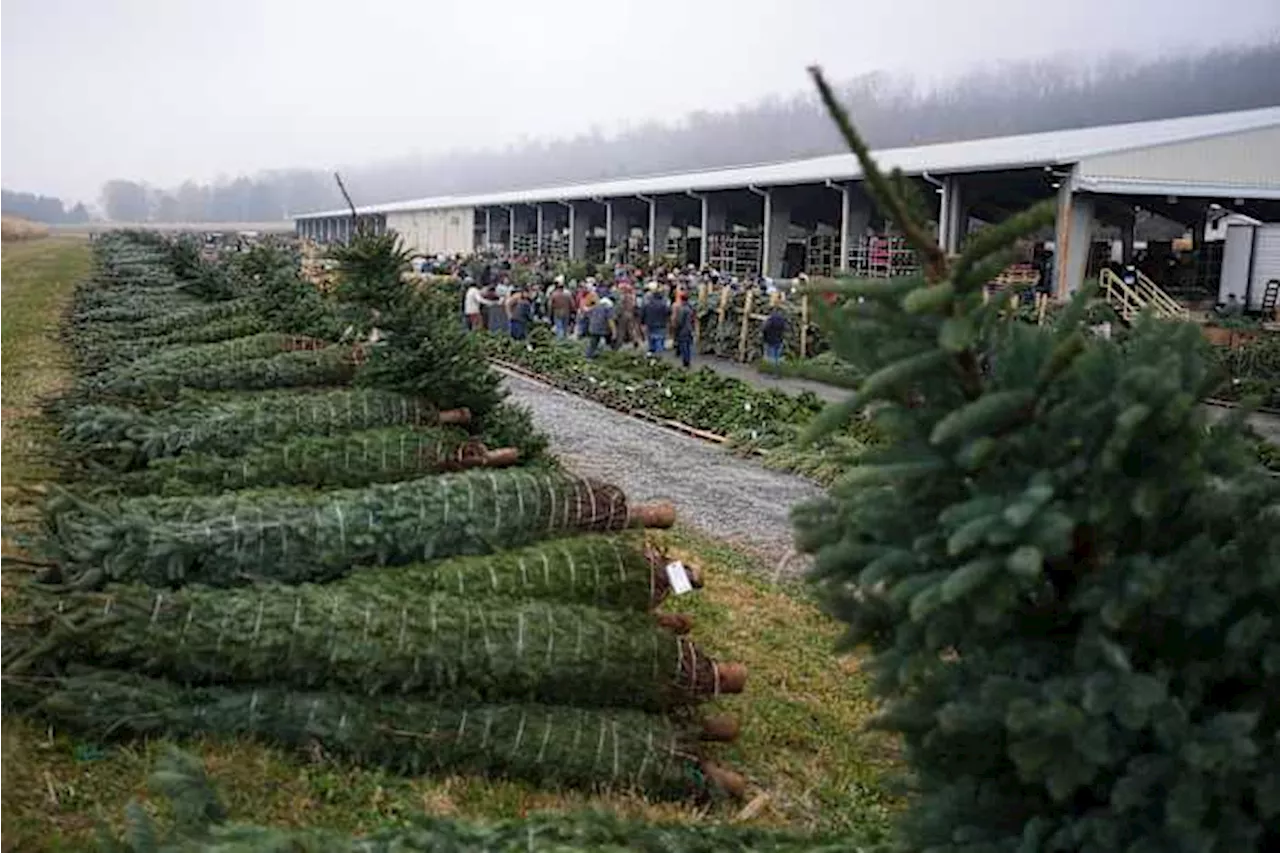
The ongoing trade war has led to significant price increases for artificial Christmas trees, with costs surging by approximately 30%. This rise in prices is poised to impact holiday traditions for millions of families across the United States as they prepare for the festive season.
A majority of American households, around 83%, plan to display artificial trees this holiday season. These trees have become a staple in many homes, but the industry is facing challenges due to tariffs imposed on imports, primarily from China, where most artificial Christmas decorations are manufactured.
Chris Butler, CEO of the National Tree Company, expressed concerns about consumer sentiment during this critical shopping period. “It’s a bit soft, to be honest. The consumer is a little muted,” he said regarding the Black Friday weekend, typically one of the busiest times of the year for retailers. National Tree Company has been a key supplier for major retailers, including Amazon, Home Depot, and Walmart, for over 50 years.
The tariffs, which have escalated to as high as 145% on certain goods imported from China, have caused significant disruptions in the supply chain. Butler noted that while attempts have been made to absorb some of these costs, an estimated 10% of the increased expenses will inevitably be passed on to consumers. “We’re really selling joy,” Butler emphasized, highlighting the emotional significance of their products during the holiday season.
He further explained the industry’s plight while advocating for potential exemptions from tariffs for holiday decorations. “We see that bananas and coffee and mangoes are starting to be exempted from tariffs because they’re not readily available in the U.S. to be grown,” he stated. “Our raw materials are just not available in the U.S., and while we’re not growing trees, we are certainly making them.”
Despite the increased costs, Butler does not anticipate a significant shift toward natural Christmas trees among consumers. Instead, he believes that families may choose to keep their existing artificial trees for a longer duration, thereby mitigating the immediate impact of rising prices.
As families prepare for the holiday season, the affordability of artificial Christmas trees remains a pressing concern. Retailers have begun offering deeper discounts during the Black Friday sales to entice shoppers amid economic uncertainty, but the lasting effects of tariffs on consumer behavior remain to be seen.
The intersection of trade policy and consumer products underscores the complexities facing the holiday retail sector this year. As industry leaders navigate these challenges, the focus remains on ensuring that families can continue to celebrate cherished traditions without facing prohibitive costs.

Upwork Set to Reveal Q4 2025 Earnings on February 9

Marin Graduate Enhances Aurora Borealis Research Using AI

Rosenblatt Securities Lowers QUALCOMM Price Target to $190

Colorado Residents Turn to Home Battery Backup Amid Power Outages

American Airlines Celebrates a Century of Aviation Excellence

Cupid Kannapolis Event Sparks Local Business Promotions

Carolina Artists Guild Launches Monthly Art Sales for Local Artists

Orlando High School Basketball Championships: Key Scores and Highlights

Four Arrested, Including Mastermind, in Islamabad Mosque Bombing

ALMA Discovers Companion Orbiting Giant Red Star π 1 Gruis

Doctoral Candidate Trivanni Yadav Advances Battery Research at UTulsa

Global Air Forces Ranked by Annual Defense Budgets in 2025

New ‘Star Trek: Voyager’ Game Demo Released, Players Test Limits

Mass Production of F-35 Fighter Jet Drives Down Costs

NASCAR Faces Fan Backlash as Steve Phelps’ Texts Surface

Gold Investment Surge: Top Mutual Funds and ETF Alternatives

DirecTV to Launch AI-Driven Ads with User Likenesses in 2026

SEVENTEEN’s Mingyu Faces Backlash Over Alcohol Incident at Concert
-
 Science3 months ago
ALMA Discovers Companion Orbiting Giant Red Star π 1 Gruis
-
 Science3 months ago
Doctoral Candidate Trivanni Yadav Advances Battery Research at UTulsa
-
 World4 months ago
Global Air Forces Ranked by Annual Defense Budgets in 2025
-
 Top Stories4 months ago
New ‘Star Trek: Voyager’ Game Demo Released, Players Test Limits
-
 World4 months ago
Mass Production of F-35 Fighter Jet Drives Down Costs
-
 Sports3 months ago
NASCAR Faces Fan Backlash as Steve Phelps’ Texts Surface
-
 Business4 months ago
Gold Investment Surge: Top Mutual Funds and ETF Alternatives
-
 Top Stories4 months ago
DirecTV to Launch AI-Driven Ads with User Likenesses in 2026
-
 Politics4 months ago
SEVENTEEN’s Mingyu Faces Backlash Over Alcohol Incident at Concert
-

 Science4 months ago
Time Crystals Revolutionize Quantum Computing Potential
-

 Entertainment4 months ago
Freeport Art Gallery Transforms Waste into Creative Masterpieces
-

 Science4 months ago
Remembering David E. Brest: A Life Dedicated to Nature and Family