
Health
Navigating Health Critiques in Relationships: A Balancing Act

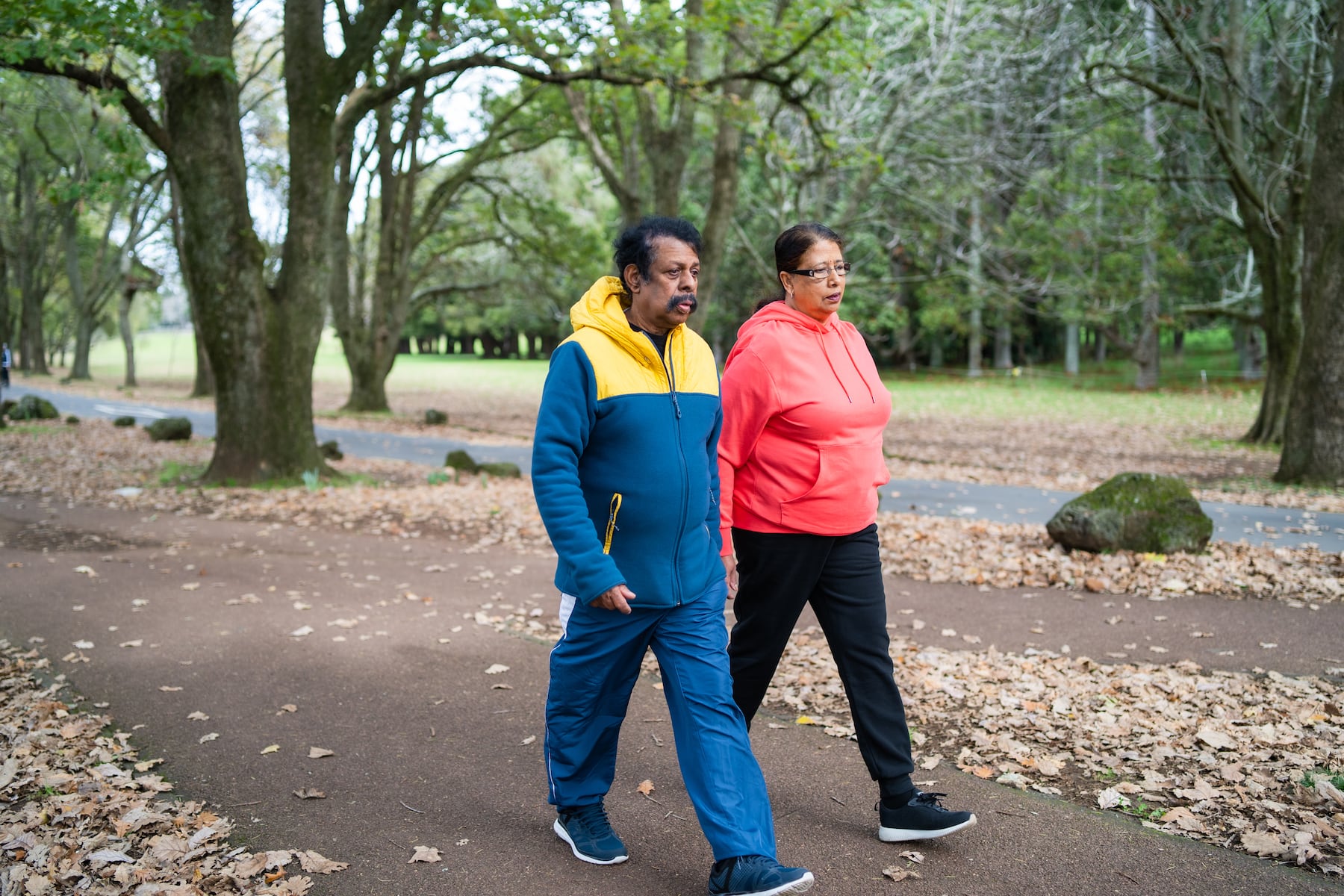
In a recent letter addressed to advice columnist Annie, a woman, referred to as Fit To Be Tired, expressed her frustrations regarding her partner’s newfound health obsession. As her boyfriend embraced a lifestyle change focused on cleaner eating and regular workouts, he inadvertently began critiquing her choices, creating tension in their relationship.
Shifting Dynamics in Relationships
Initially supportive of her boyfriend’s health kick, Fit To Be Tired found herself feeling judged rather than encouraged. As he replaced their usual snacks with healthier options, his remarks shifted from motivation to criticism. For instance, when she brought home a loaf of bakery bread, he responded by highlighting the dangers of “simple carbs.” Similarly, when she opted to skip a workout due to fatigue, he expressed his disapproval with a sigh. Most concerning was a recent comment where he labeled her evening glass of wine as a “bad coping mechanism for stress.”
This situation raises important questions about the balance between supporting a partner’s health journey and maintaining one’s own autonomy. The letter highlights a common issue: when personal improvement efforts spill over into judgment, it can undermine the very support that initially inspired those changes.
Health and Relationship Balance
While physical health is undeniably important, emotional and social well-being also play crucial roles in a thriving relationship. Fit To Be Tired emphasized that she appreciates her boyfriend’s enthusiasm for health but desires to enjoy her lifestyle without feeling scrutinized. She expressed a need for balance, wanting to support his healthy habits while also preserving her own choices.
“A partner lifts you up; a critic hands out report cards,” Annie advised.
In her response, Annie reminded Fit To Be Tired that it is essential for partners to uplift each other rather than compete or critique. Encouragement should come without the pressure of a performance review. The advice suggests that while it is commendable for partners to adopt healthier habits, it is equally important to respect each other’s choices and individuality.
Support in personal health journeys should foster positivity rather than induce stress. Open communication about boundaries and expectations can help partners navigate these situations effectively, ensuring that one person’s health journey does not overshadow the other’s autonomy.
Ultimately, healthy relationships thrive on mutual respect and understanding. By addressing these concerns, Fit To Be Tired may find a way to celebrate her boyfriend’s health goals while also enjoying her own lifestyle choices without feeling judged.

Robinhood Stock Surges 2.5% in Early Trading on March 17

Israel Intensifies Strikes as Global Energy Crisis Looms

CALV Offers Class on Communication Skills for Real Estate Professionals

Historic Bideford Pub Reopens as The Patch Wine Bar & Kitchen

Oscar Night Celebrations: Winners, Guests, and Exclusive After-Parties

Samsung Galaxy Watch 9 Set for Larger Battery Boost, Report Reveals

Kibble vs. Fresh Dog Food: What’s Best for Your Dog’s Health?

Acclaimed San Francisco Pizzeria Del Popolo to Close in May

‘Invincible’ Season 4 Launches on Prime Video with Epic Action

ALMA Discovers Companion Orbiting Giant Red Star π 1 Gruis

Doctoral Candidate Trivanni Yadav Advances Battery Research at UTulsa

Rev. Bry Shields to Retire as McGill-Toolen President in 2026

Global Air Forces Ranked by Annual Defense Budgets in 2025

Tucson Celebrates Life and Remembrance at 36th Annual All Souls Procession

Mass Production of F-35 Fighter Jet Drives Down Costs

Gold Investment Surge: Top Mutual Funds and ETF Alternatives

Maumee’s Shop With a Hero Event Delivers Joy to Local Children

DirecTV to Launch AI-Driven Ads with User Likenesses in 2026
-
 Science9 months ago
ALMA Discovers Companion Orbiting Giant Red Star π 1 Gruis
-
 Science9 months ago
Doctoral Candidate Trivanni Yadav Advances Battery Research at UTulsa
-
 Lifestyle10 months ago
Rev. Bry Shields to Retire as McGill-Toolen President in 2026
-
 World10 months ago
Global Air Forces Ranked by Annual Defense Budgets in 2025
-
 Lifestyle10 months ago
Tucson Celebrates Life and Remembrance at 36th Annual All Souls Procession
-
 World10 months ago
Mass Production of F-35 Fighter Jet Drives Down Costs
-
 Business10 months ago
Gold Investment Surge: Top Mutual Funds and ETF Alternatives
-
 Lifestyle8 months ago
Maumee’s Shop With a Hero Event Delivers Joy to Local Children
-
 Top Stories10 months ago
DirecTV to Launch AI-Driven Ads with User Likenesses in 2026
-

 Sports8 months ago
Lawrence Launches Winterfest Skating Rink and Hot Chocolate Chalet
-

 Lifestyle8 months ago
Cape May Shines as New Jersey’s Only Entry on Beach Town List
-

 Entertainment10 months ago
Paul Giamatti Reveals Villainous Role in Star Trek: Starfleet Academy