
Top Stories
New Research Shifts Pompeii Eruption Date to October 79 CE

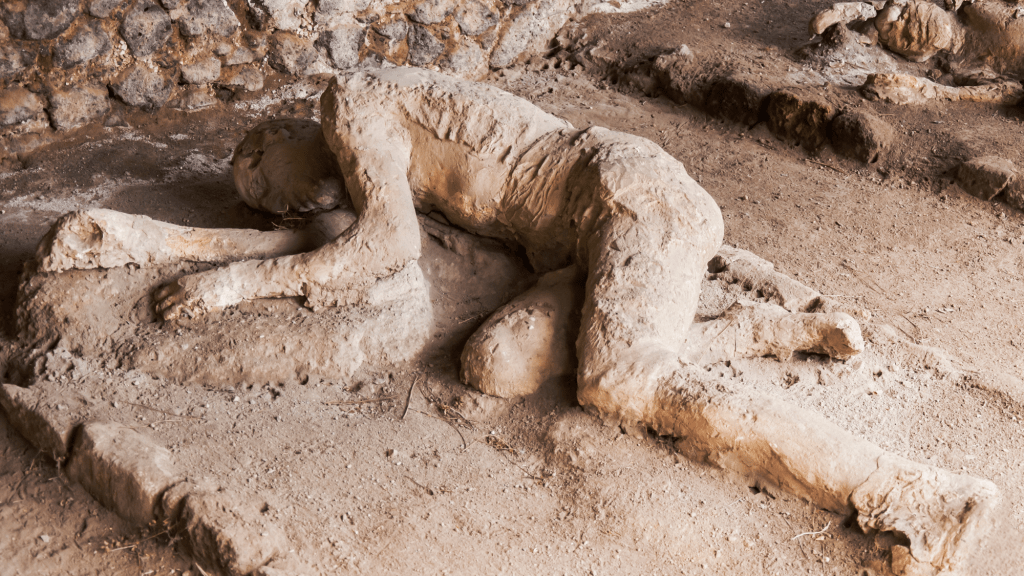
BREAKING: New research from the University of Valencia suggests that the eruption of Mount Vesuvius, which buried the ancient city of Pompeii on August 24, 79 CE, may have actually taken place later in the year, possibly as late as October. This revelation is based on the analysis of clothing worn by victims, indicating they were dressed for much cooler weather than typically expected in late summer southern Italy.
Researchers from the ÁTROPOS group, specializing in death in ancient cultures, studied 14 plaster casts of Pompeii victims. These casts, created by pouring plaster into voids left by decomposed bodies, reveal intricate details about the clothing, including fabric types and weaving patterns. Notably, researchers identified garments made of thick, heavy wool, typically reserved for winter wear.
Why were these individuals bundled up in thick wool tunics and cloaks during what was historically a warm time of year? The findings, presented by archaeologist Llorenç Alapont at an international conference, suggest that either the weather was unusually cool or that environmental dangers prompted people to dress for protection. The heavy fabrics indicate a need for insulation, hinting at a shift in seasonal weather patterns.
This significant shift in understanding has researchers reevaluating the long-held belief about the timing of the eruption. Alapont noted that previous observations of fall fruits, remnants of heating braziers, and other indicators of a changing season may have pointed toward a much later eruption. The idea that residents were preparing for colder conditions could mean that the infamous volcanic disaster occurred during a time when the city was transitioning from summer to autumn.
As this news develops, the implications are profound. If the eruption did indeed occur later than previously thought, it could reshape historical narratives regarding Pompeii and the impact of climate on ancient societies. Further studies are expected to analyze more data, potentially leading to more breakthroughs in our understanding of this catastrophic event.
Stay tuned for updates as researchers continue to uncover more about the tragic fate of Pompeii’s residents and the true timing of the eruption. This emerging story is reshaping our historical timeline and could change everything we know about ancient Roman life.

Upwork Set to Reveal Q4 2025 Earnings on February 9

Marin Graduate Enhances Aurora Borealis Research Using AI

Rosenblatt Securities Lowers QUALCOMM Price Target to $190

Colorado Residents Turn to Home Battery Backup Amid Power Outages

American Airlines Celebrates a Century of Aviation Excellence

Cupid Kannapolis Event Sparks Local Business Promotions

Carolina Artists Guild Launches Monthly Art Sales for Local Artists

Orlando High School Basketball Championships: Key Scores and Highlights

Four Arrested, Including Mastermind, in Islamabad Mosque Bombing

ALMA Discovers Companion Orbiting Giant Red Star π 1 Gruis

Doctoral Candidate Trivanni Yadav Advances Battery Research at UTulsa

Global Air Forces Ranked by Annual Defense Budgets in 2025

New ‘Star Trek: Voyager’ Game Demo Released, Players Test Limits

Mass Production of F-35 Fighter Jet Drives Down Costs

NASCAR Faces Fan Backlash as Steve Phelps’ Texts Surface

Gold Investment Surge: Top Mutual Funds and ETF Alternatives

DirecTV to Launch AI-Driven Ads with User Likenesses in 2026

SEVENTEEN’s Mingyu Faces Backlash Over Alcohol Incident at Concert
-
 Science3 months ago
ALMA Discovers Companion Orbiting Giant Red Star π 1 Gruis
-
 Science3 months ago
Doctoral Candidate Trivanni Yadav Advances Battery Research at UTulsa
-
 World4 months ago
Global Air Forces Ranked by Annual Defense Budgets in 2025
-
 Top Stories4 months ago
New ‘Star Trek: Voyager’ Game Demo Released, Players Test Limits
-
 World4 months ago
Mass Production of F-35 Fighter Jet Drives Down Costs
-
 Sports3 months ago
NASCAR Faces Fan Backlash as Steve Phelps’ Texts Surface
-
 Business4 months ago
Gold Investment Surge: Top Mutual Funds and ETF Alternatives
-
 Top Stories4 months ago
DirecTV to Launch AI-Driven Ads with User Likenesses in 2026
-
 Politics4 months ago
SEVENTEEN’s Mingyu Faces Backlash Over Alcohol Incident at Concert
-
 Science4 months ago
Time Crystals Revolutionize Quantum Computing Potential
-

 Entertainment4 months ago
Freeport Art Gallery Transforms Waste into Creative Masterpieces
-

 Science4 months ago
Remembering David E. Brest: A Life Dedicated to Nature and Family