
Health
Experts Warn Seniors Against Common Cold Mistakes

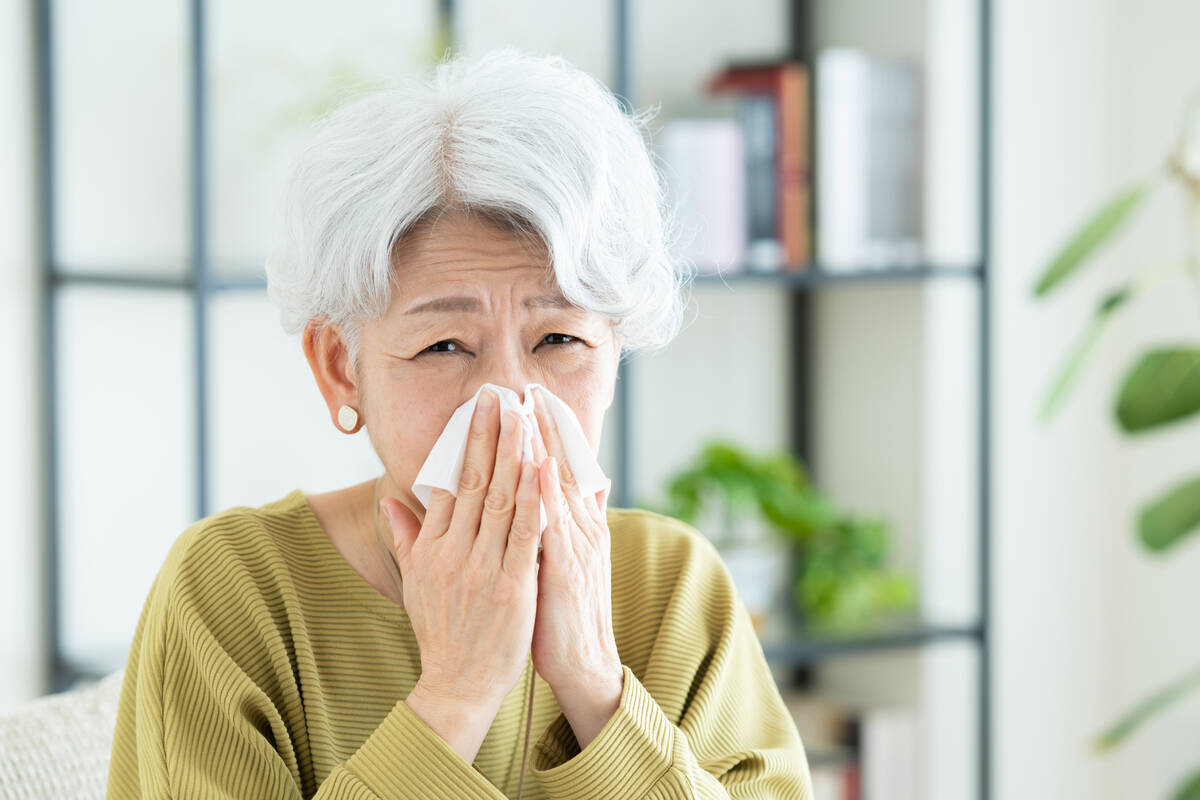
The average adult in the United States contracts two to three colds annually, predominantly from September to May. While a cold may seem like a minor inconvenience, medical professionals stress that older adults, particularly those aged 60 and above, should prioritize their recovery. A recent statement from the National Council on Aging underscores that even a mild cold can pose significant health risks for older individuals, whose immune systems may not respond as effectively to pathogens.
When faced with a cold, many people have a routine to aid their recovery. Some may opt for over-the-counter medications, while others retreat to bed to rest, minimizing distractions. Although these approaches can provide relief, experts caution against a critical mistake that can adversely affect health, especially for those over 60.
Importance of Hydration
Hydration plays a vital role in recovery from illness. Dr. Sandra Petersen, a senior vice president at Pegasus Senior Living, emphasizes that maintaining proper hydration helps keep mucous membranes moist, which is essential for trapping and eliminating viruses. She notes that hydration supports immune function by facilitating nutrient transport and oxygen delivery throughout the body.
“It also regulates body temperature, which can fluctuate during a cold, flushes out toxins through kidney function, and reduces fatigue,” Dr. Petersen explains. Dehydration can worsen symptoms like tiredness and headaches, making adequate fluid intake crucial.
Similarly, Dr. Roopa Shah, a family medicine physician at SSM Health, reinforces the importance of hydration. “Adequate hydration keeps the mucous membranes in the nose, throat, and lungs moist,” she states. This moisture helps thin mucus, easing congestion and minimizing the risk of secondary infections such as bronchitis and pneumonia. Increased fluid intake is also essential for transporting nutrients and immune cells, particularly when fighting off an infection.
For older adults, the risk of dehydration escalates, especially if symptoms include vomiting or diarrhea. “Electrolyte imbalance can cause weakness, confusion, and even hospitalization if severe,” Dr. Petersen warns. She highlights that the diminished thirst sensation that often accompanies aging can lead older adults to overlook their hydration needs.
Hydration Recommendations for Seniors
Dr. Petersen advises individuals over 60 to aim for 6 to 8 cups of fluids daily when healthy and to increase this by an additional 1 to 2 cups during illness. While this serves as a general guideline, she notes that individual health conditions may affect specific hydration needs.
“A good general guideline, unless your doctor has ordered a fluid restriction, is to drink roughly half your weight in ounces,” she explains. For example, a person weighing 120 pounds should consume approximately 60 ounces of water daily under normal circumstances and increase this during an illness.
When sick, individuals may struggle to consume food or drink. Dr. Shah recommends gradually meeting hydration goals throughout the day. “The best types of fluid are water and clear, warm liquids such as herbal teas, broths, and soups,” she advises. These options soothe sore throats and coughs. Oral rehydration solutions like Gatorade can be beneficial in cases of significant fluid loss due to high fevers or gastrointestinal symptoms, though she cautions against caffeinated or alcoholic beverages, as they can exacerbate dehydration.
By prioritizing hydration and being mindful of their bodies’ needs, older adults can enhance their recovery process and reduce the risk of complications associated with colds.

Bath & Body Works Confirms All Stores Closed on Christmas Day

Santa’s Naughty List Reveals Shocking Gifts for 2023

Crispin Glover’s Shocking Late Night Stunt Makes David Letterman Walk Off

Jake Paul and Anthony Joshua Clash in Miami: Fight Card Details

Hana Financial Invests $100 Million to Strengthen U.S. Operations

FDVV’s 2.78% Yield Underperforms Compared to SCHD’s 3.80%

General Hospital Viewers Speculate on Carly’s Suspicious Necklace

Experts Warn Seniors Against Common Cold Mistakes

Experience Festive Cheer with Holiday Tea at LondonHouse Chicago

ALMA Discovers Companion Orbiting Giant Red Star π 1 Gruis

SEVENTEEN’s Mingyu Faces Backlash Over Alcohol Incident at Concert

New ‘Star Trek: Voyager’ Game Demo Released, Players Test Limits

Global Air Forces Ranked by Annual Defense Budgets in 2025

Electrification Challenges Demand Advanced Multiphysics Modeling

Mass Production of F-35 Fighter Jet Drives Down Costs

Gold Investment Surge: Top Mutual Funds and ETF Alternatives

Time Crystals Revolutionize Quantum Computing Potential

DirecTV to Launch AI-Driven Ads with User Likenesses in 2026
-
 Science1 month ago
ALMA Discovers Companion Orbiting Giant Red Star π 1 Gruis
-
 Politics2 months ago
SEVENTEEN’s Mingyu Faces Backlash Over Alcohol Incident at Concert
-
 Top Stories2 months ago
New ‘Star Trek: Voyager’ Game Demo Released, Players Test Limits
-
 World2 months ago
Global Air Forces Ranked by Annual Defense Budgets in 2025
-
 World2 months ago
Electrification Challenges Demand Advanced Multiphysics Modeling
-
 World2 months ago
Mass Production of F-35 Fighter Jet Drives Down Costs
-
 Business2 months ago
Gold Investment Surge: Top Mutual Funds and ETF Alternatives
-
 Science2 months ago
Time Crystals Revolutionize Quantum Computing Potential
-
 Top Stories2 months ago
DirecTV to Launch AI-Driven Ads with User Likenesses in 2026
-

 Entertainment2 months ago
Freeport Art Gallery Transforms Waste into Creative Masterpieces
-

 Business2 months ago
US Government Denies Coal Lease Bid, Impacting Industry Revival Efforts
-

 Health2 months ago
Gavin Newsom Critiques Trump’s Health and National Guard Plans