
Science
Authorities Hunt 14,000 Illegal Bitcoin Miners in Malaysia

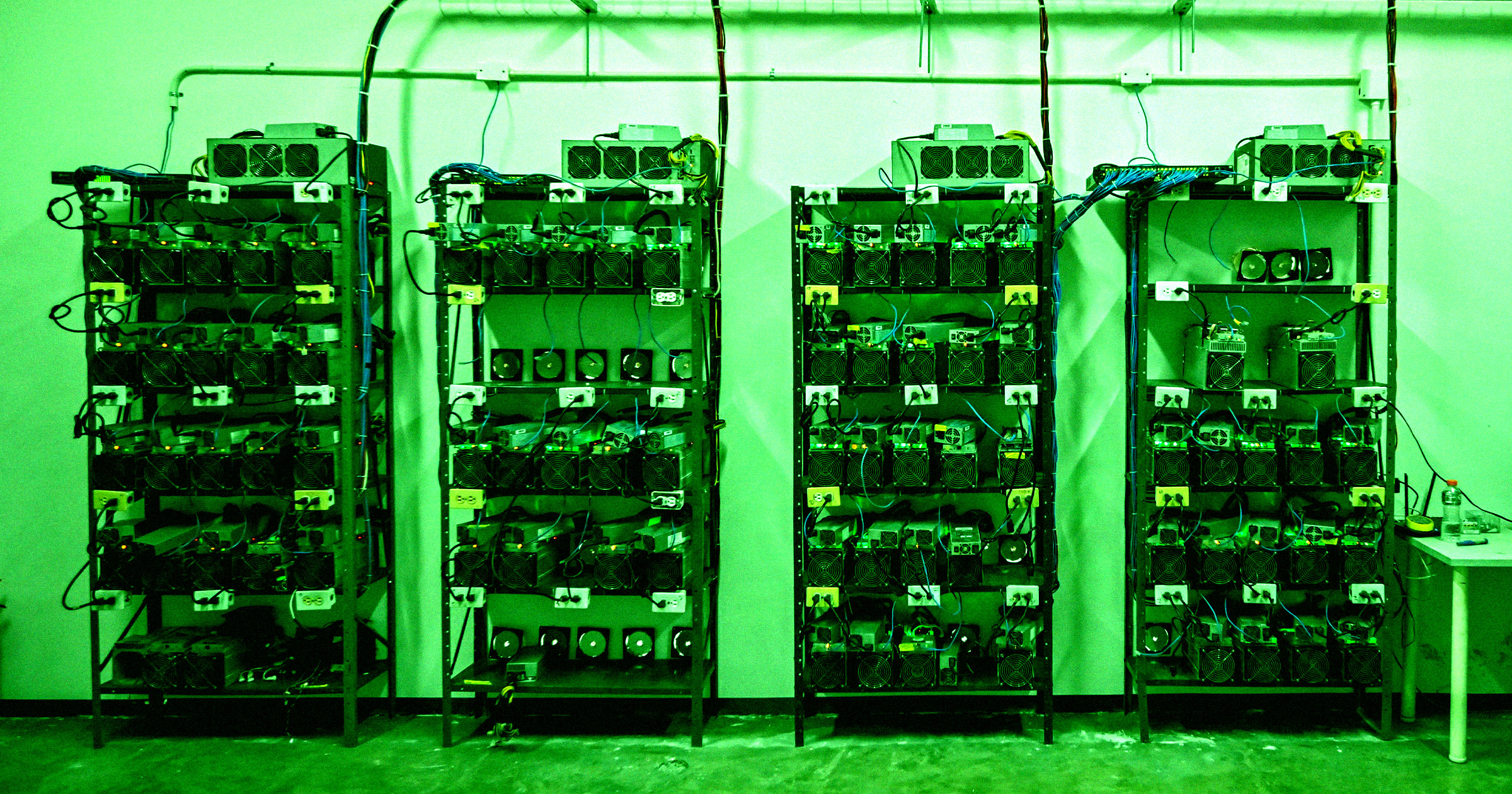
Local authorities in Malaysia are intensifying efforts to track down approximately 14,000 illegal Bitcoin mining operations. These operations have reportedly stolen around $1.1 billion in electricity over the past five years. The situation has prompted law enforcement to employ drones and specialized handheld sensors to detect irregular power usage, illustrating the high stakes and profitability of cryptocurrency mining when the electricity is unpaid.
Bitcoin’s market has been volatile, recently reaching a peak of over $126,000 in October before experiencing significant declines. Despite this fluctuation, the potential for profit has driven many individuals to engage in illegal mining activities, leading to substantial losses for Malaysia’s state-owned energy company, Tenaga Nasional.
Impact on National Energy Infrastructure
The illegal mining operations not only represent a financial drain on the energy sector but also pose risks to Malaysia’s power grid. According to Akmal Nasir, Malaysia’s Deputy Minister of Energy Transition and Water Transformation, these activities can lead to severe infrastructural challenges. “The risk of allowing such activities to happen is no longer about stealing,” he stated. “You can actually even break our facilities. It becomes a challenge to our system.”
The issue of illegal mining is not unique to Malaysia. For instance, in Iran, unauthorized Bitcoin mining contributed to rolling power outages last year, igniting public discourse on the impact of such operations. Similarly, Kuwait has taken measures to curtail crypto mining this year due to a major power crisis that has resulted in widespread blackouts.
The Global Context of Bitcoin Mining
Globally, Bitcoin mining consumes a staggering amount of energy, surpassing the total electricity usage of some entire countries annually. The latest report by the University of Cambridge highlights that the United States accounts for over 75 percent of Bitcoin mining activities. This is notable given that other cryptocurrencies, like Ethereum, have implemented alternative methods to validate transactions that significantly reduce electricity consumption.
In Malaysia, abandoned malls and industrial spaces are increasingly being transformed into hubs for illegal crypto mining. Legal miners are obliged to pay for their electricity and taxes, but the allure of free power has proven too tempting for many. “Even if you run it properly, the challenge is that the market itself is very volatile,” Nasir commented. “I don’t see any well-run mining that can be considered as successful legally.”
Akmal Nasir characterized these illegal operations as organized crime syndicates, suggesting that they follow a distinct modus operandi. The scale of the theft and the risks associated with it are raising serious concerns among authorities, who are committed to dismantling these illicit networks.
As the battle against illegal Bitcoin mining continues, the implications for Malaysia’s energy infrastructure and economy remain significant. The government’s ongoing efforts to address this issue will be closely watched, as authorities aim to restore order and integrity within the cryptocurrency mining landscape.

No. 1 Purdue Shockingly Falls to No. 10 Iowa State, 81-58

Google Enhances NotebookLM with Deep Research for Instant Insights

New Alpha Therapy Offers Hope for Resistant Thyroid Cancer Patients

The North Face Slashes Prices: Grab $85 Pants for $34 Today

Sean Duffy Calls for Respectful Dress Code on Flights

Authorities Hunt 14,000 Illegal Bitcoin Miners in Malaysia

Natchez Police Report Multiple Arrests on Serious Charges

Hong Kong Authorities Criticize Foreign Media Over Fire Reporting

California QB Jaron-Keawe Sagapolutele Commits to Stay After Coach Hire

ALMA Discovers Companion Orbiting Giant Red Star π 1 Gruis

New ‘Star Trek: Voyager’ Game Demo Released, Players Test Limits

Global Air Forces Ranked by Annual Defense Budgets in 2025

SEVENTEEN’s Mingyu Faces Backlash Over Alcohol Incident at Concert

Mass Production of F-35 Fighter Jet Drives Down Costs

Electrification Challenges Demand Advanced Multiphysics Modeling

Gold Investment Surge: Top Mutual Funds and ETF Alternatives

Time Crystals Revolutionize Quantum Computing Potential

DirecTV to Launch AI-Driven Ads with User Likenesses in 2026
-
 Science3 weeks ago
ALMA Discovers Companion Orbiting Giant Red Star π 1 Gruis
-
 Top Stories2 months ago
New ‘Star Trek: Voyager’ Game Demo Released, Players Test Limits
-
 World2 months ago
Global Air Forces Ranked by Annual Defense Budgets in 2025
-
 Politics1 month ago
SEVENTEEN’s Mingyu Faces Backlash Over Alcohol Incident at Concert
-
 World2 months ago
Mass Production of F-35 Fighter Jet Drives Down Costs
-
 World2 months ago
Electrification Challenges Demand Advanced Multiphysics Modeling
-
 Business2 months ago
Gold Investment Surge: Top Mutual Funds and ETF Alternatives
-
 Science2 months ago
Time Crystals Revolutionize Quantum Computing Potential
-
 Top Stories2 months ago
DirecTV to Launch AI-Driven Ads with User Likenesses in 2026
-

 Entertainment2 months ago
Freeport Art Gallery Transforms Waste into Creative Masterpieces
-

 Business2 months ago
US Government Denies Coal Lease Bid, Impacting Industry Revival Efforts
-

 Health2 months ago
Gavin Newsom Critiques Trump’s Health and National Guard Plans